
Unit 3 - Introduction to Exponents, Roots, and Logarithms
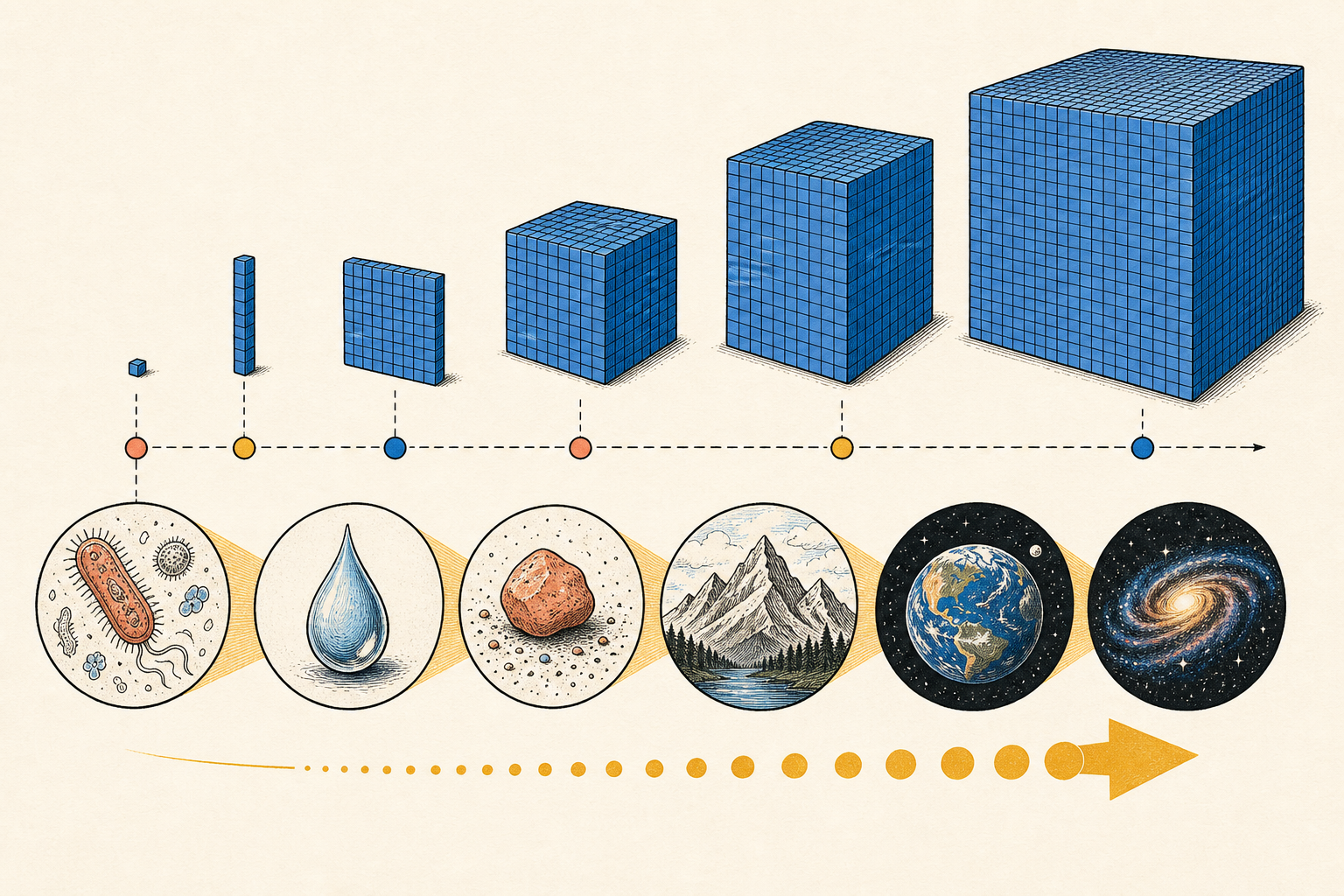
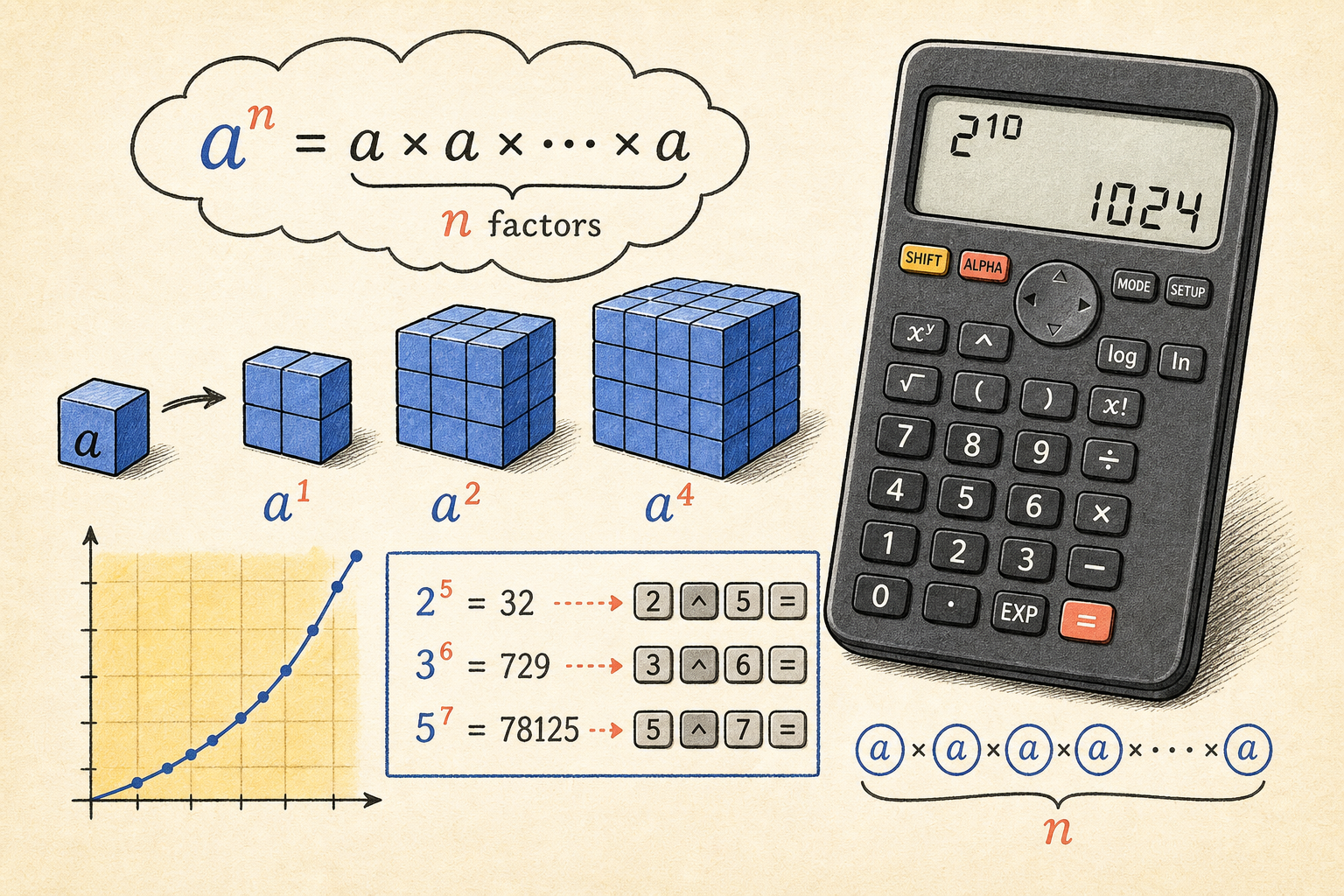
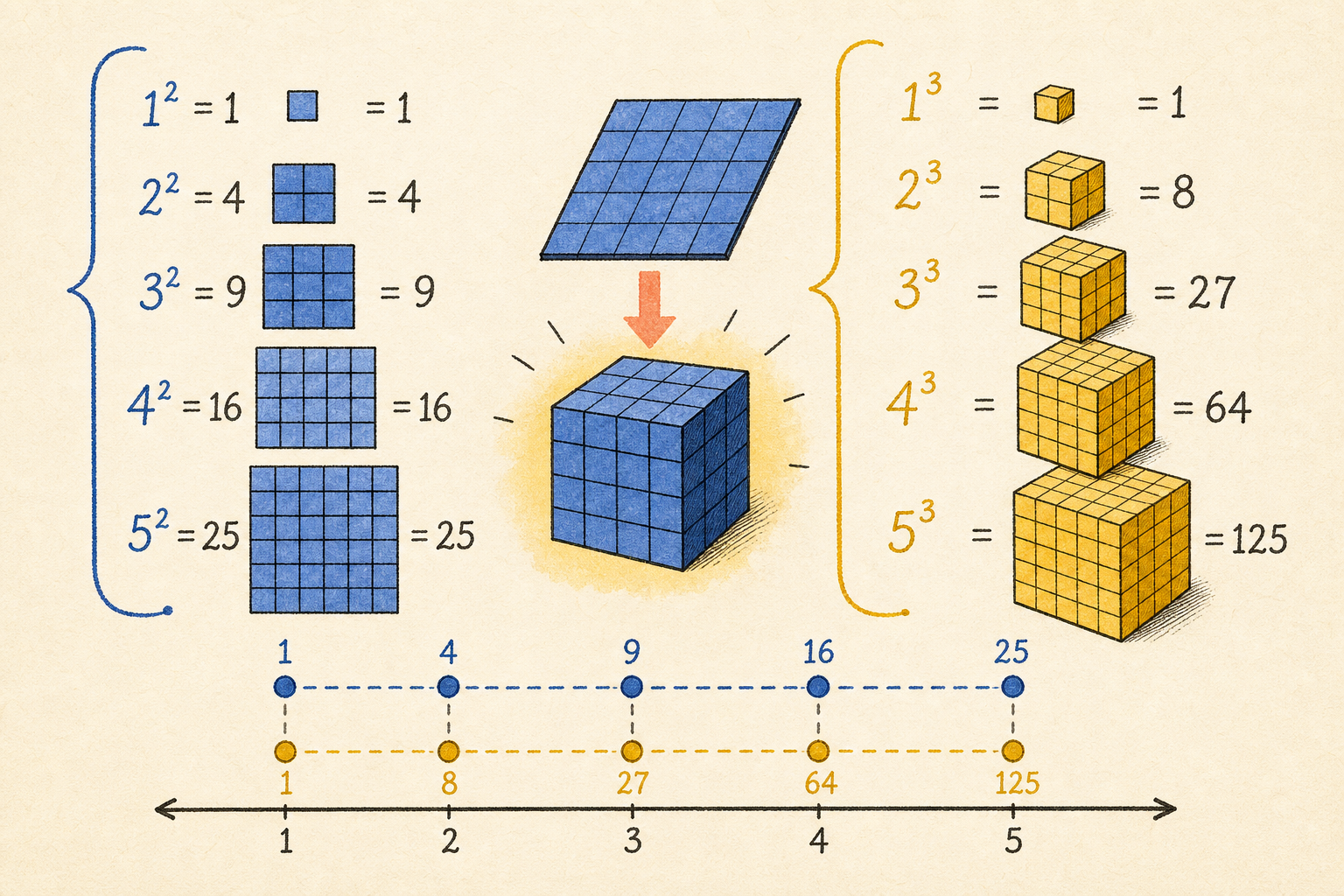
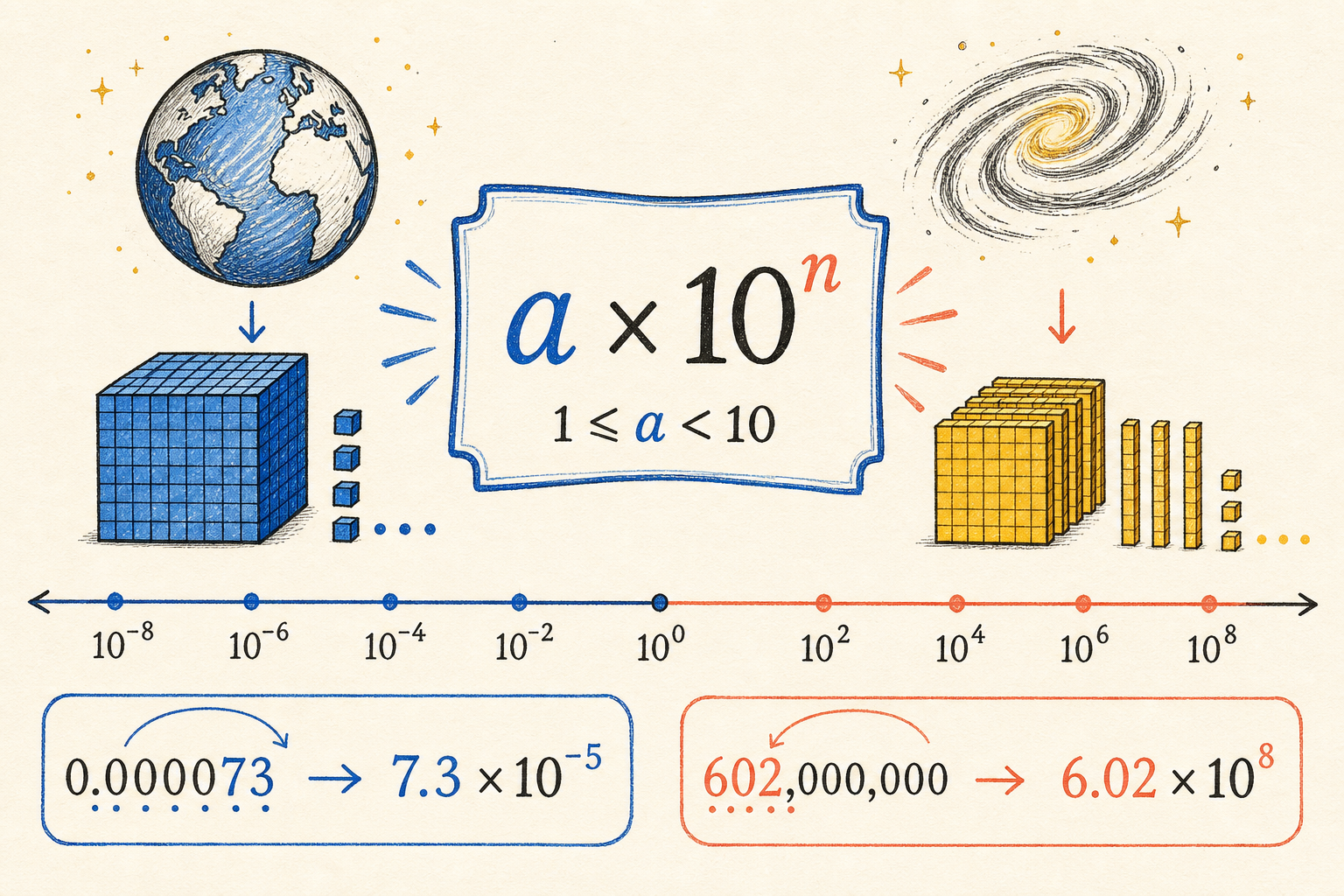
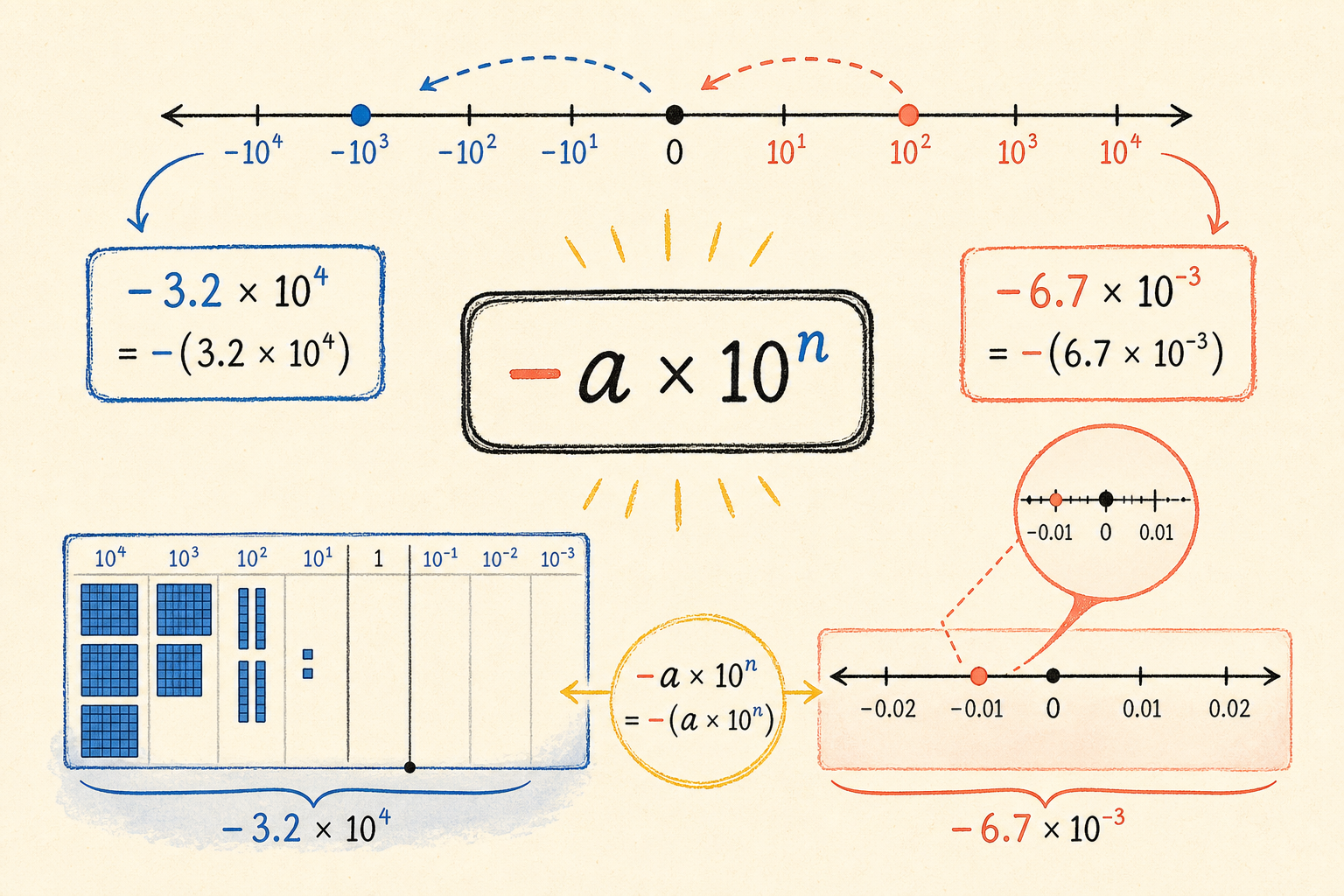
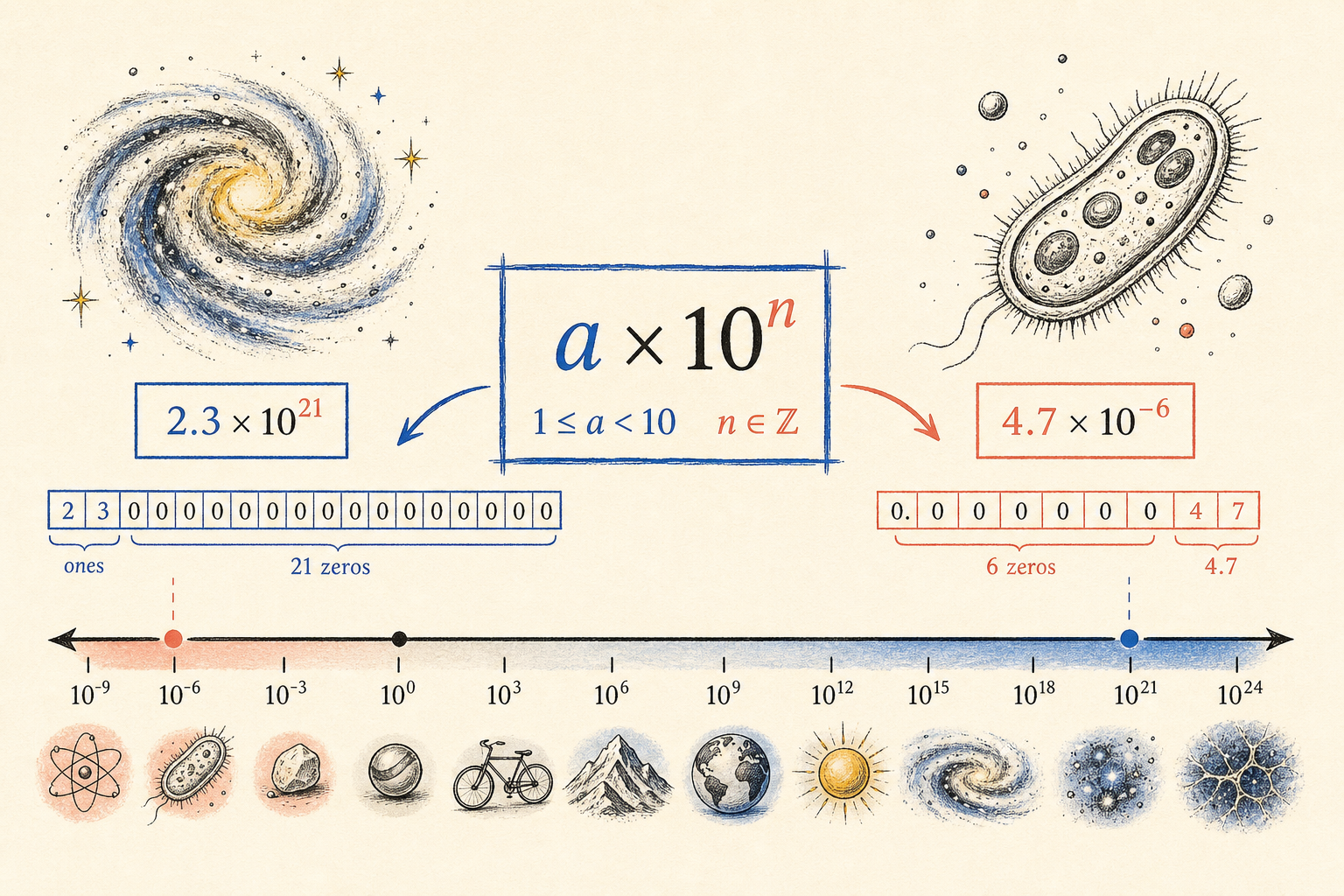
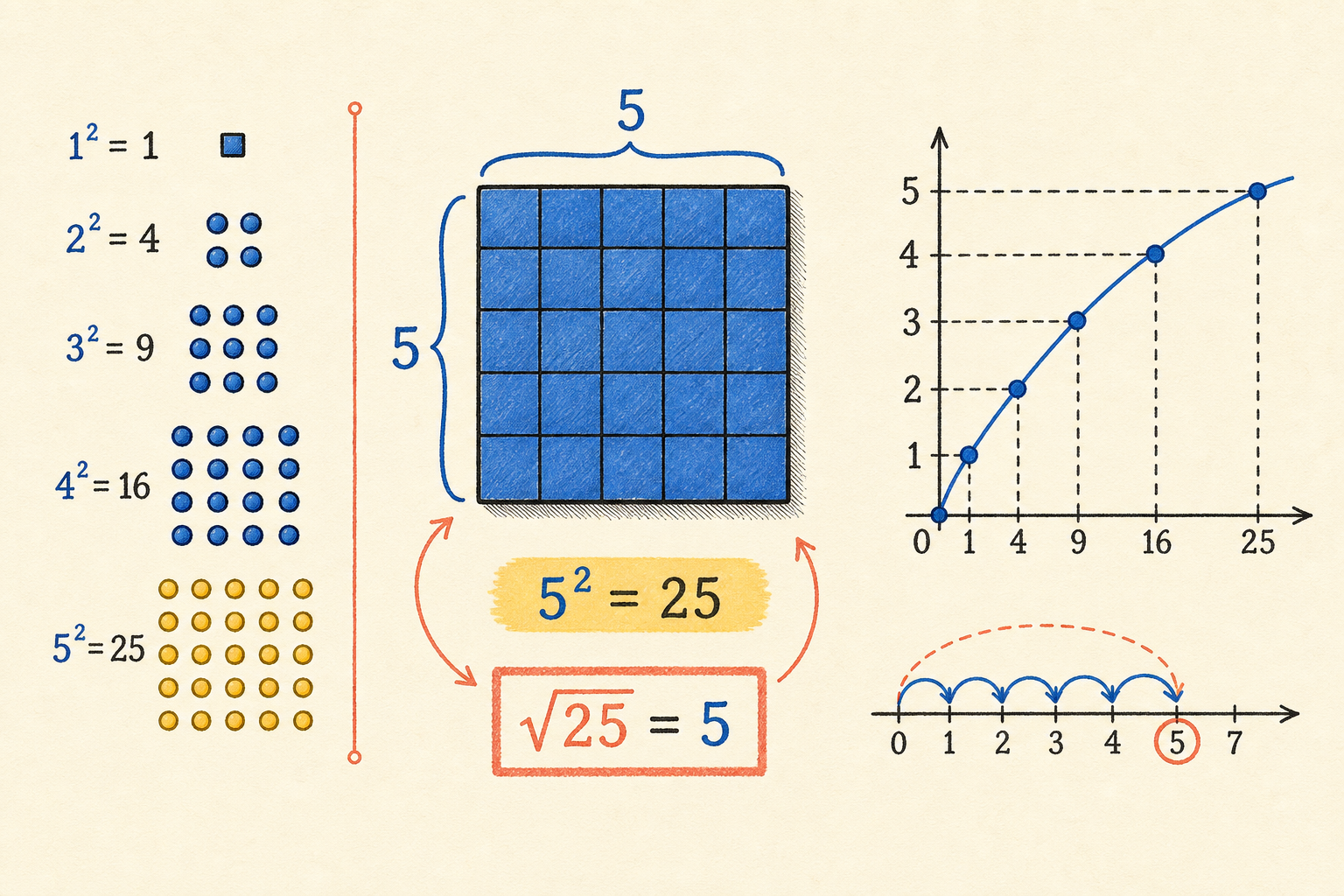
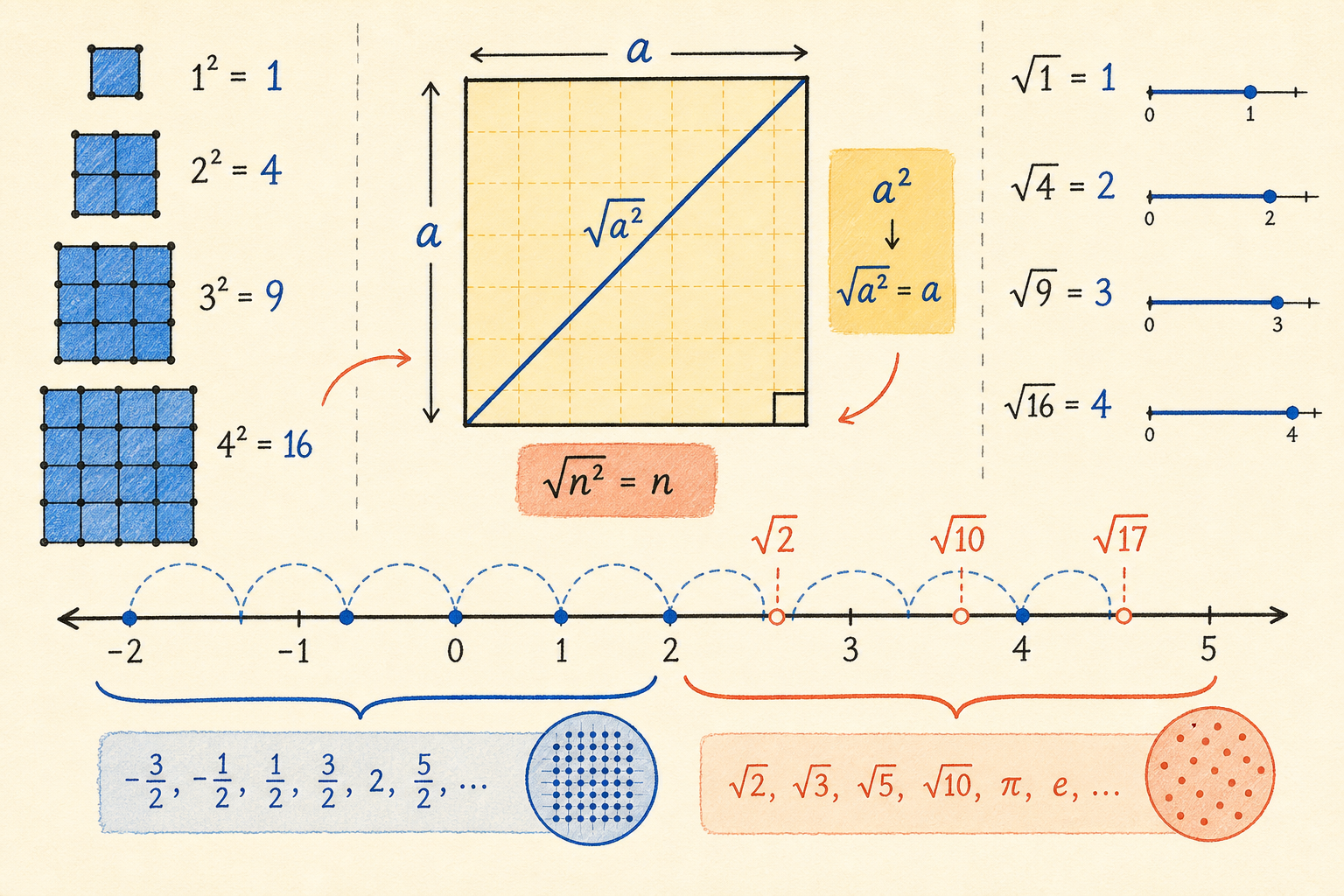
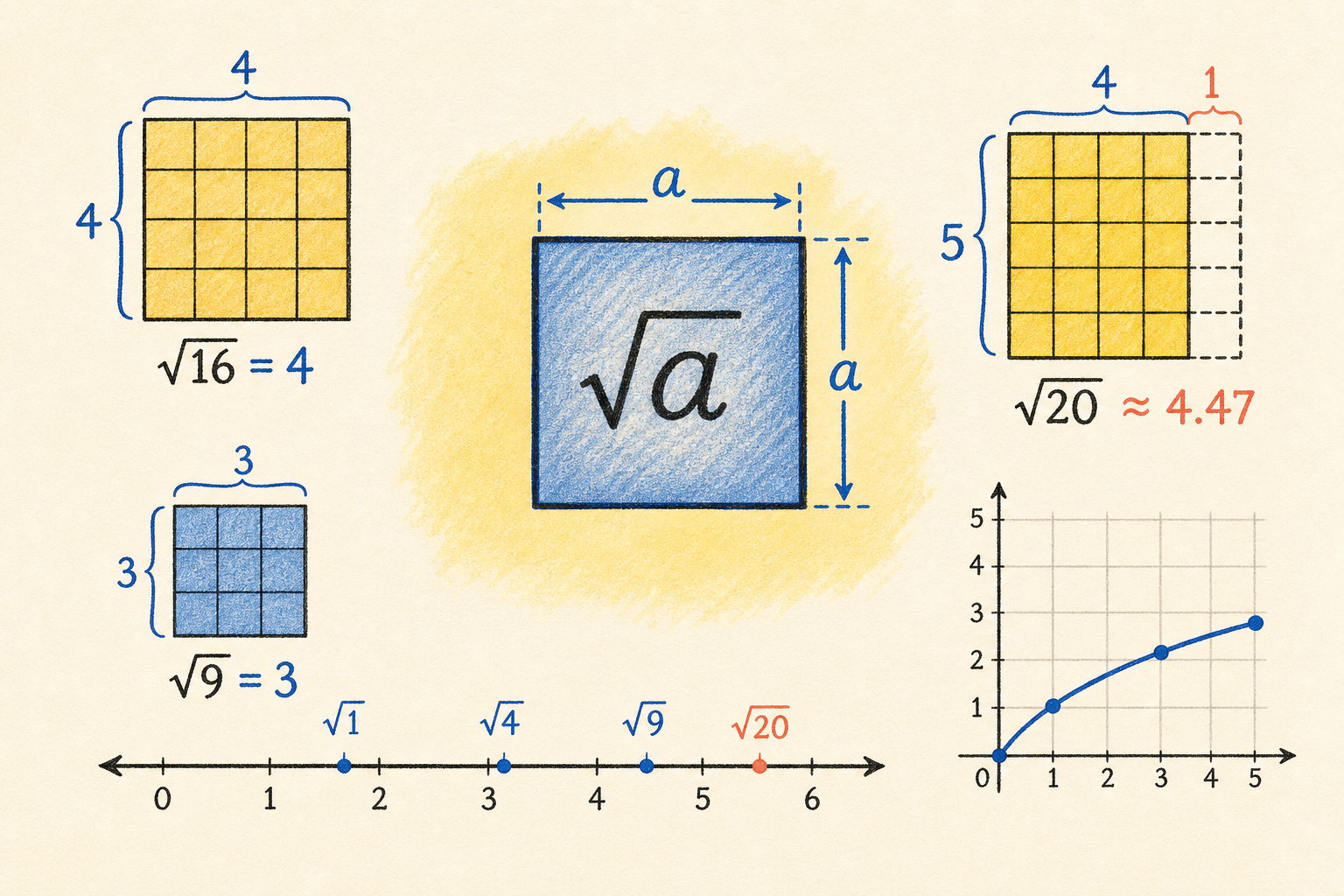
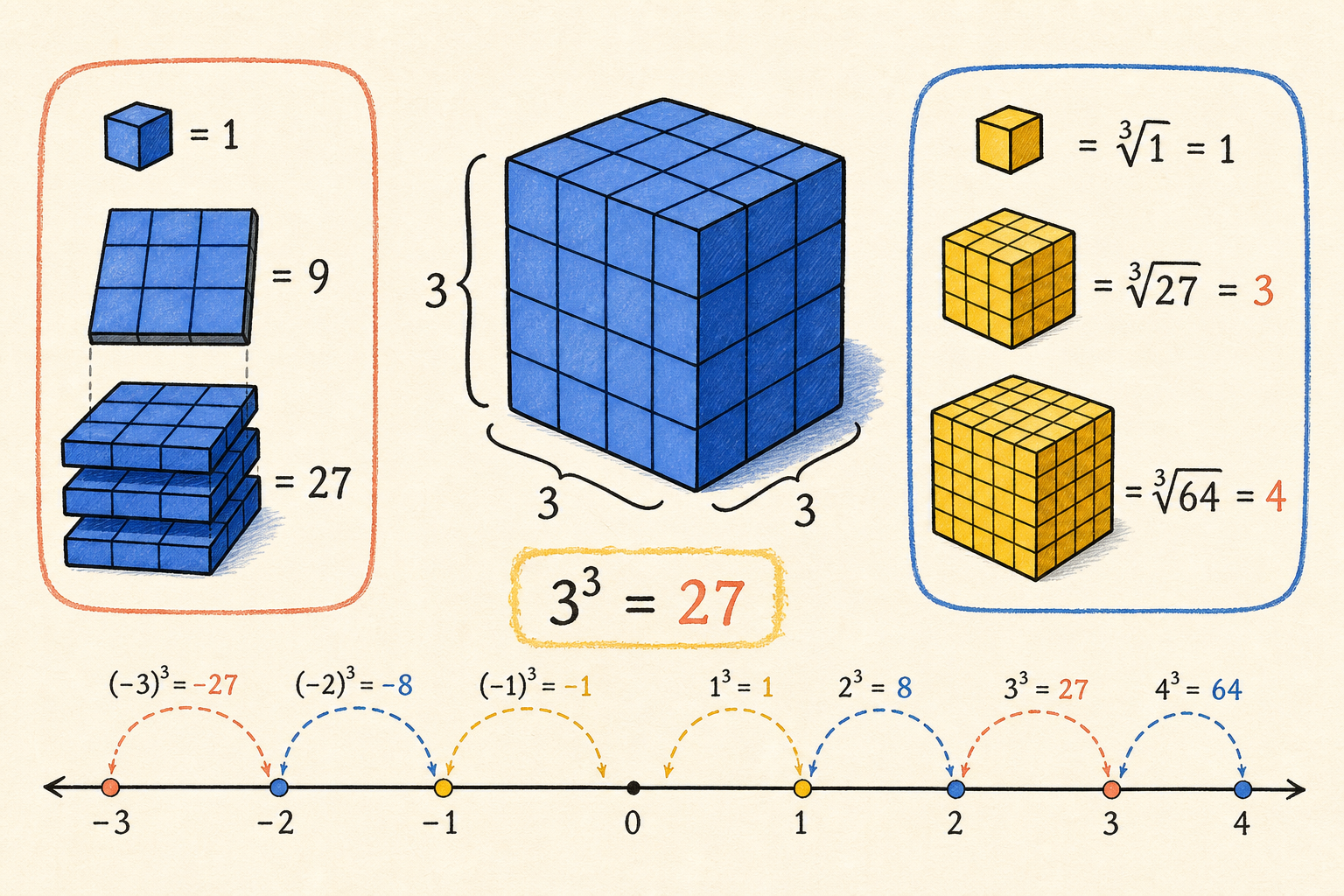
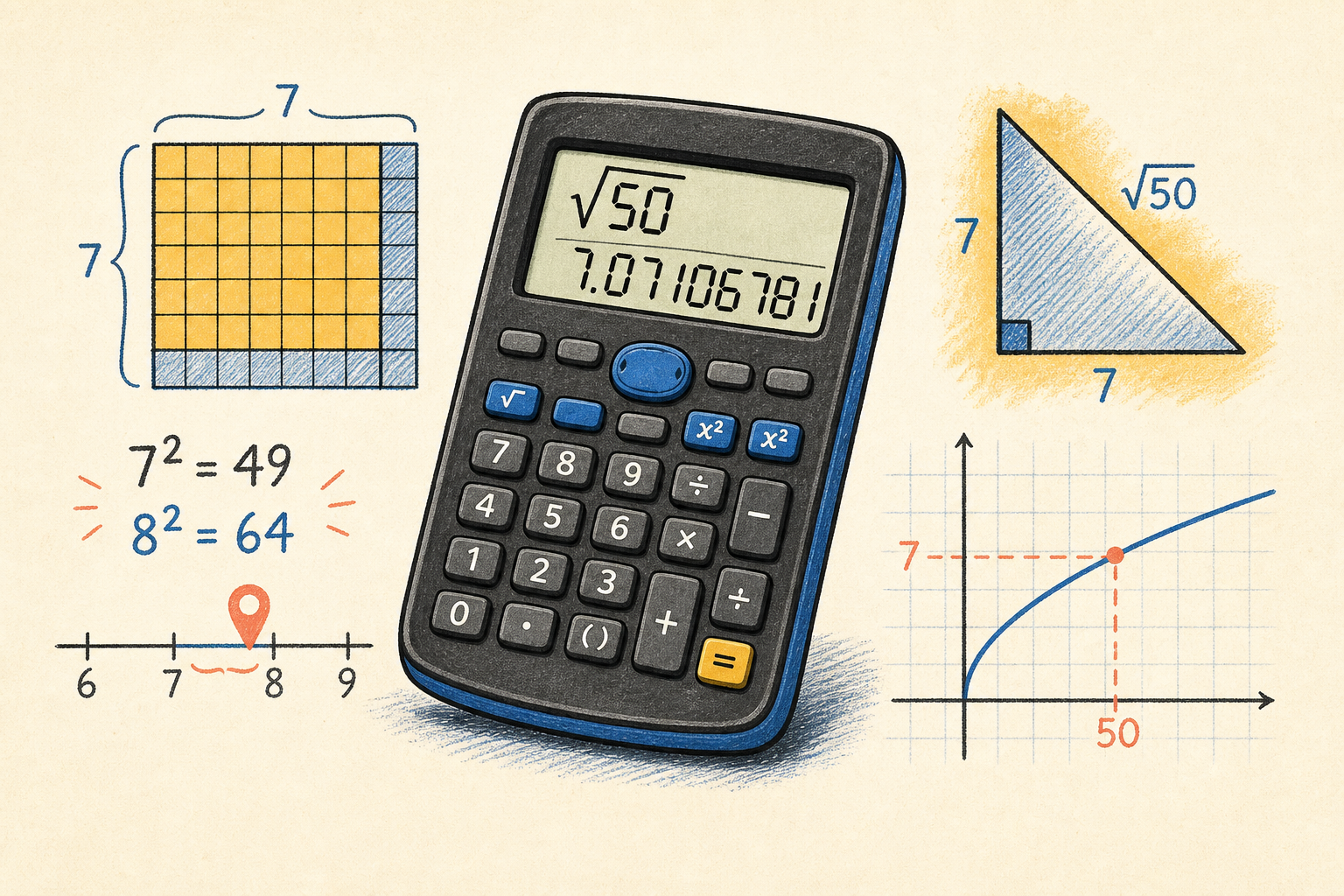
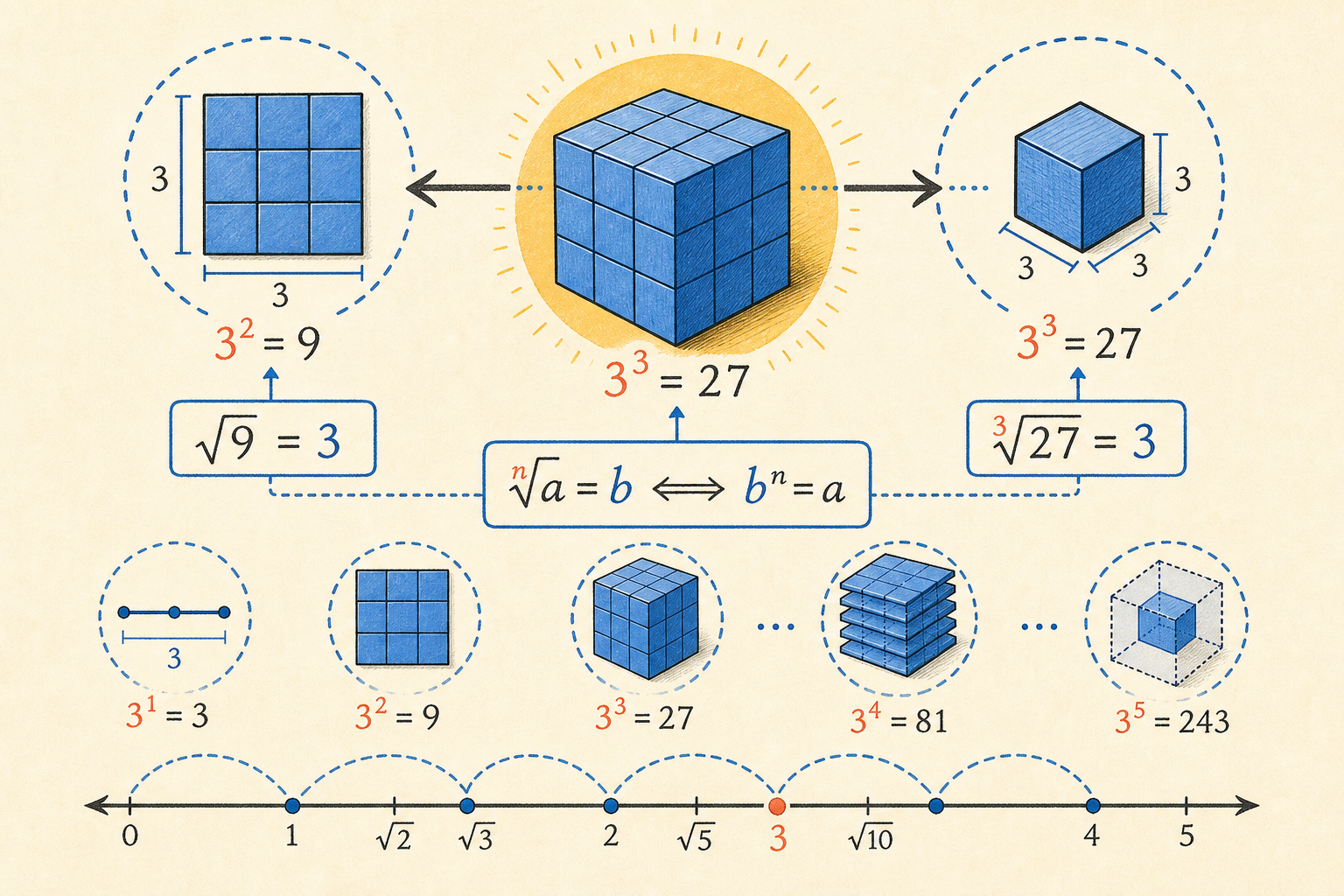
Exponents, roots, and logarithms are powerful math tools that help us understand really big numbers, really small numbers, and how things grow or shrink. From measuring earthquakes to tracking population growth to cracking secret codes, these ideas reveal hidden patterns in the world around us.
Unit 1 - Algebra Basics
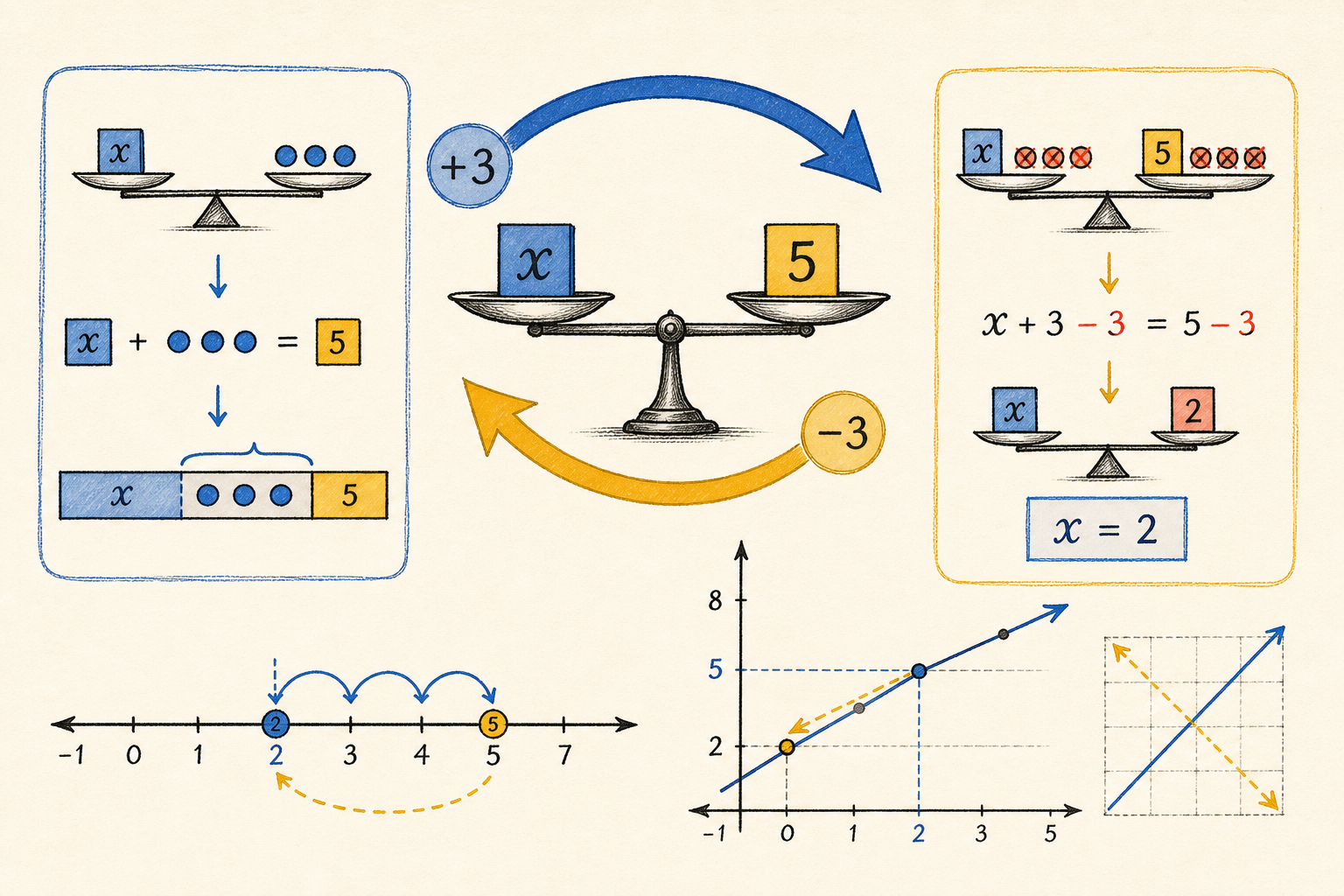
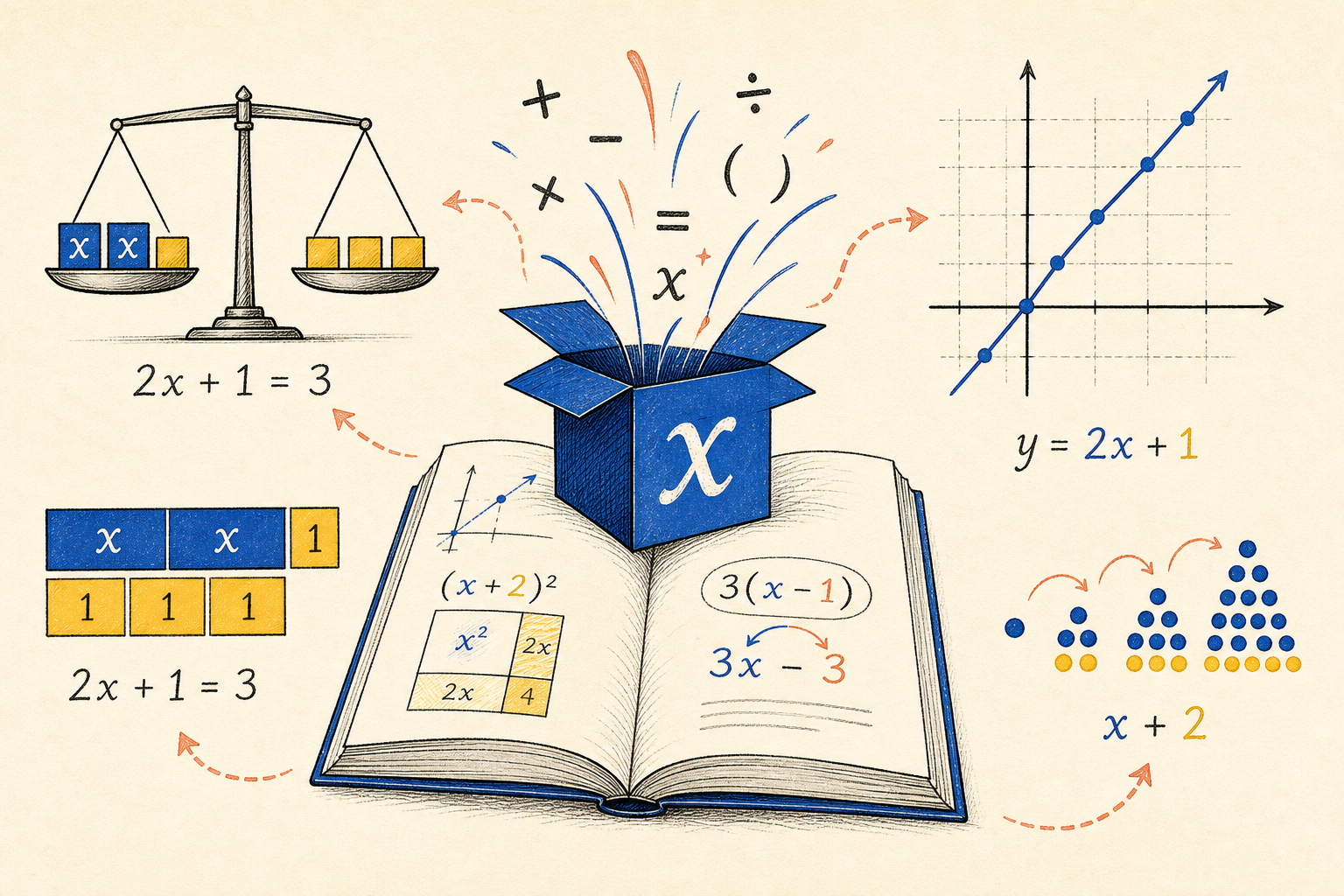
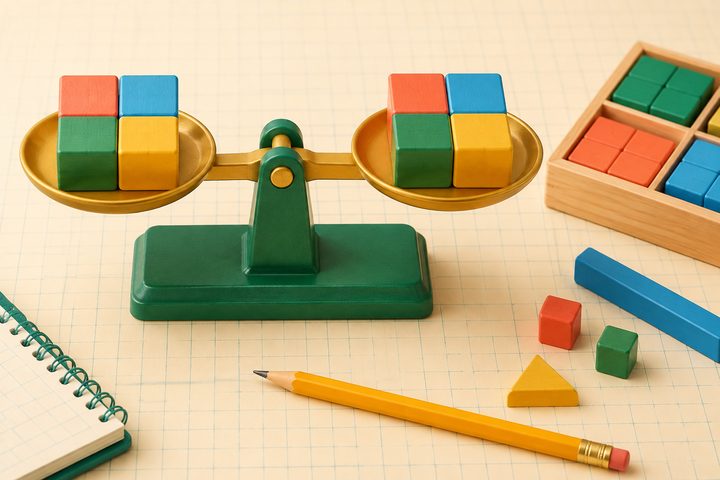
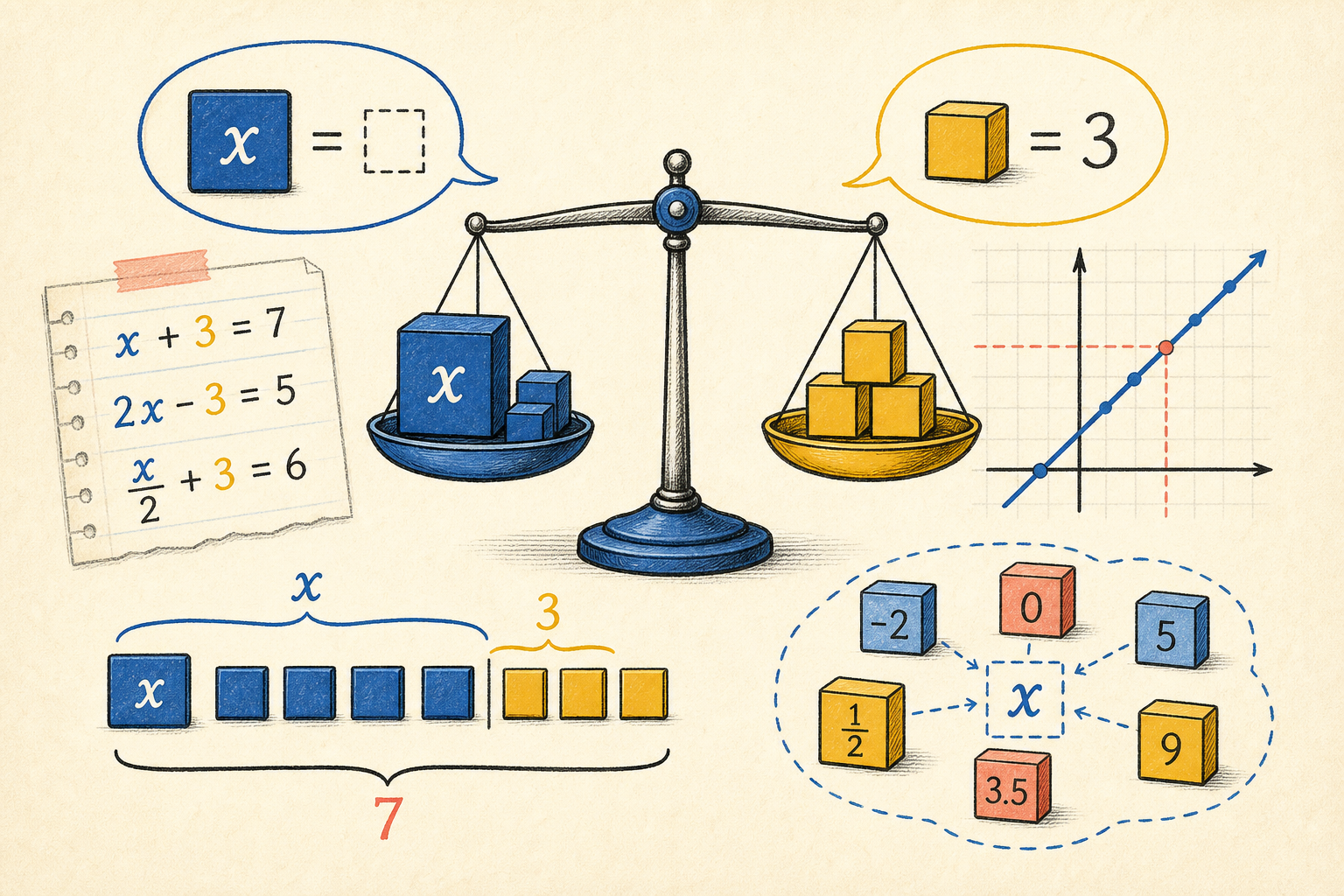
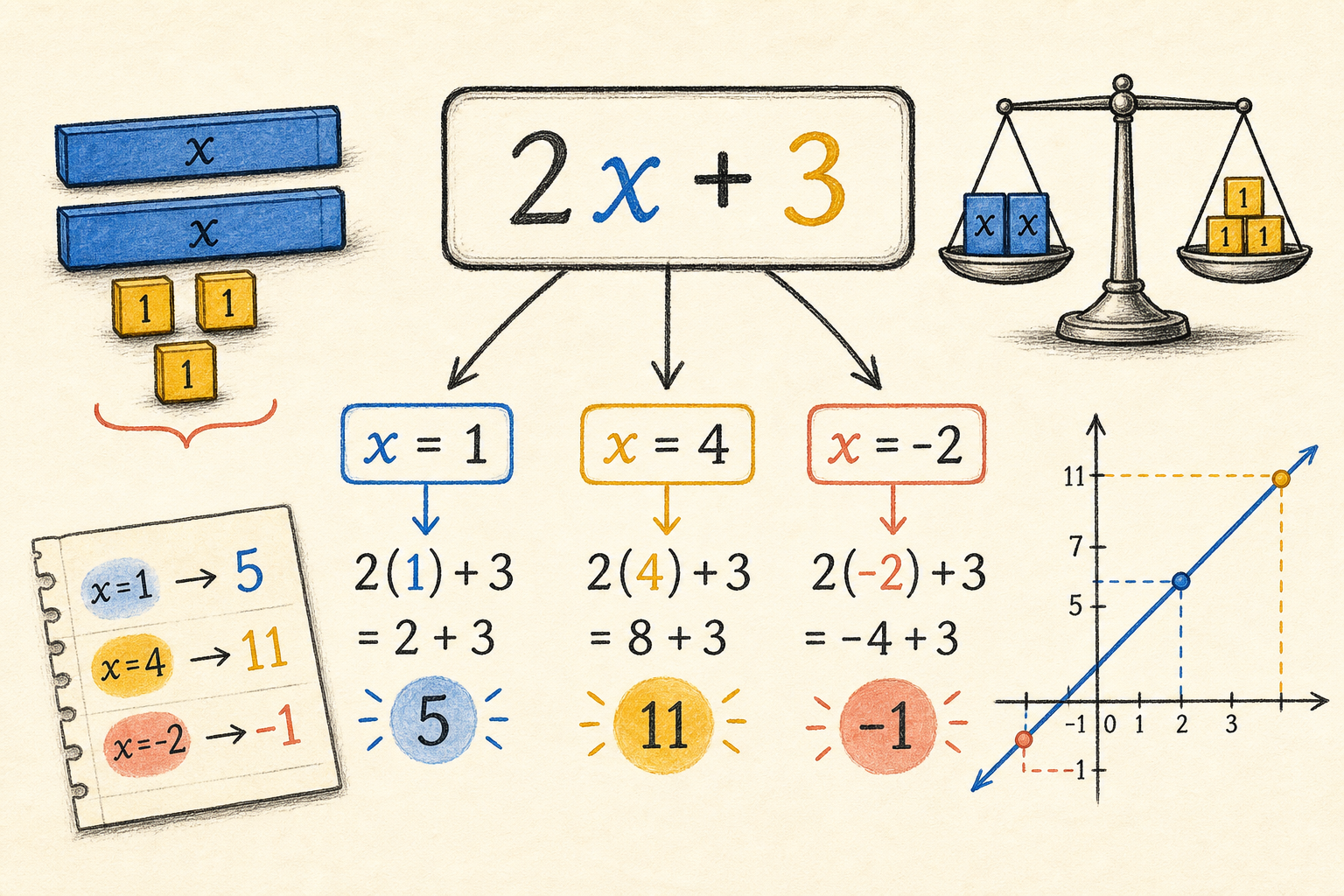
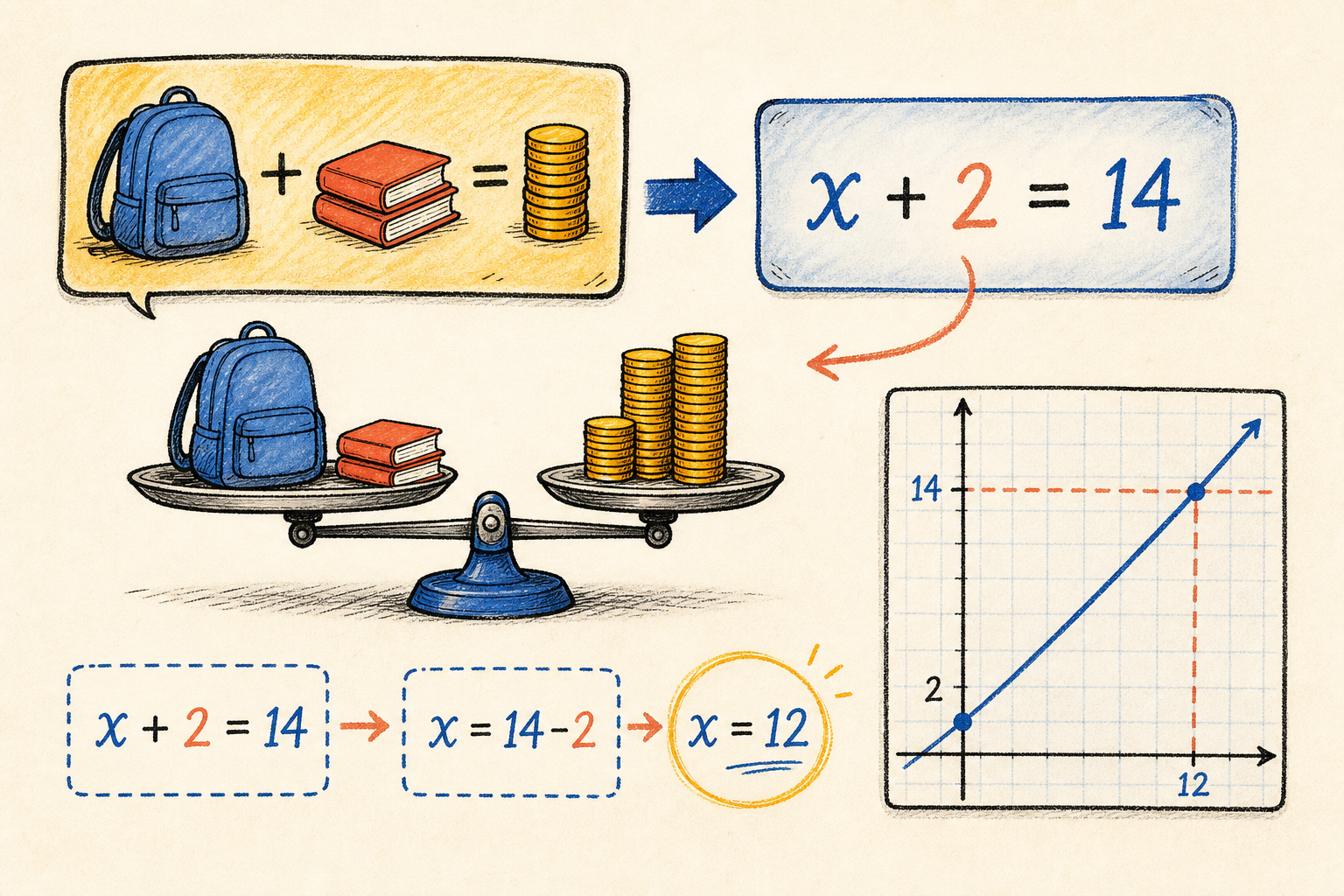
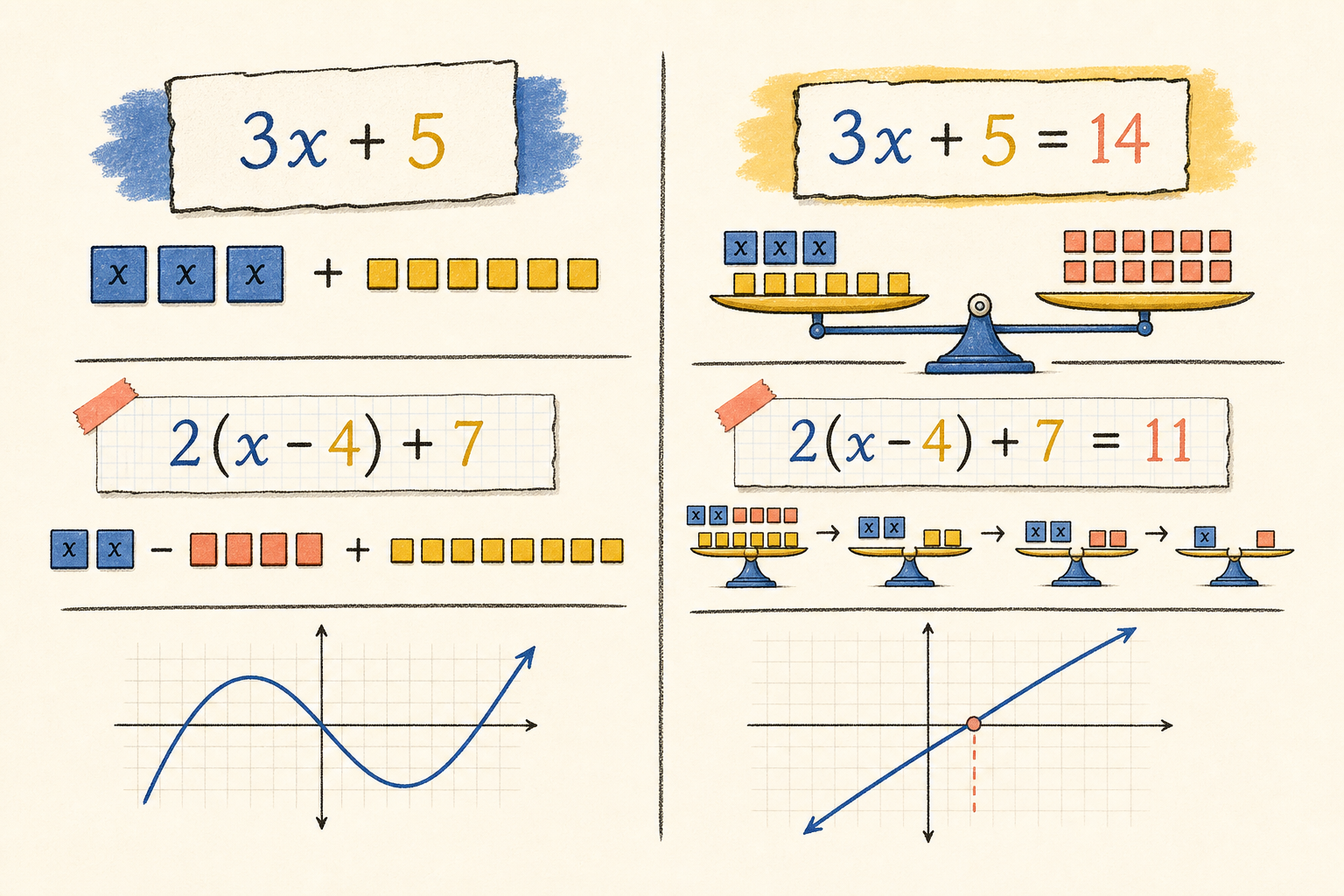
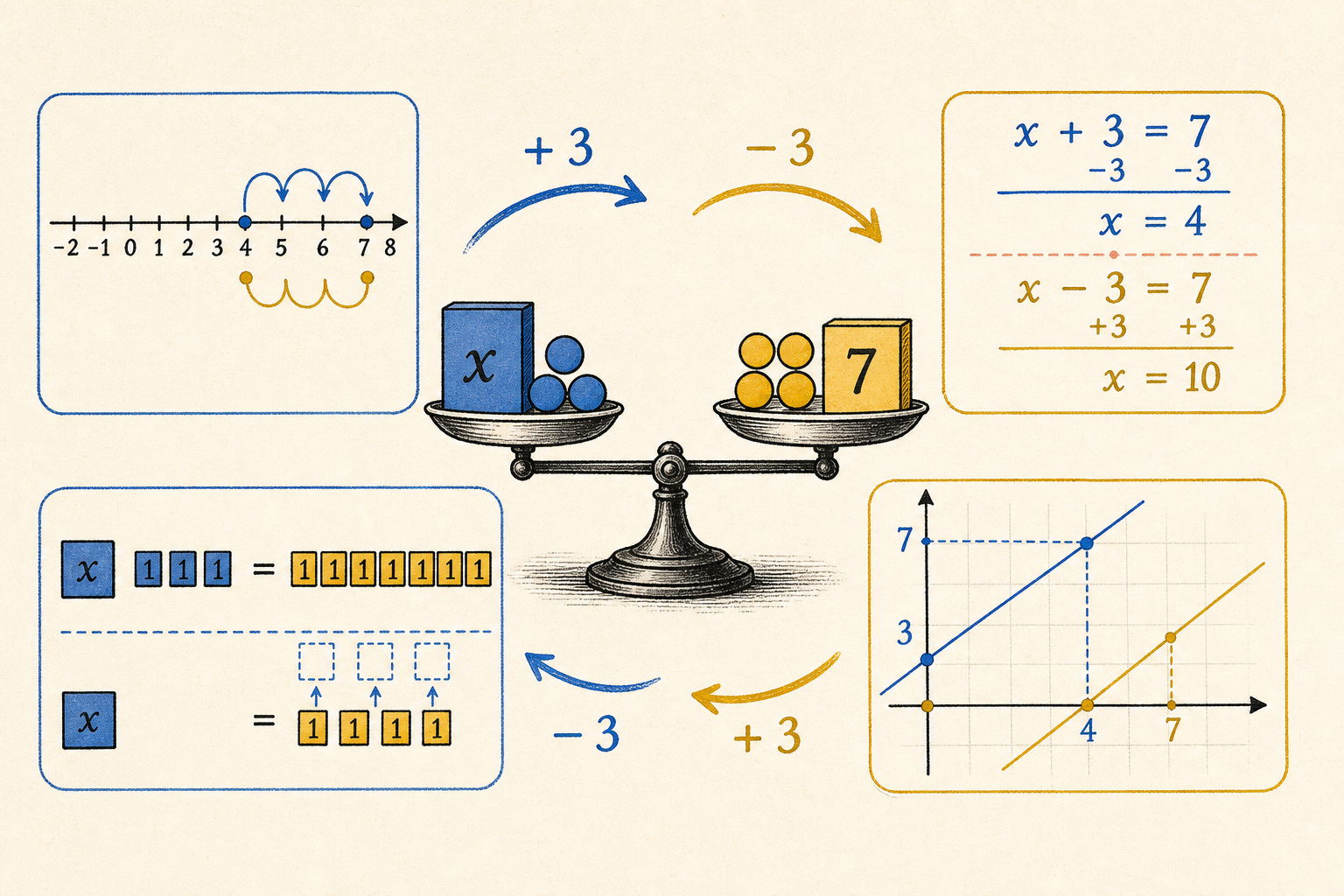
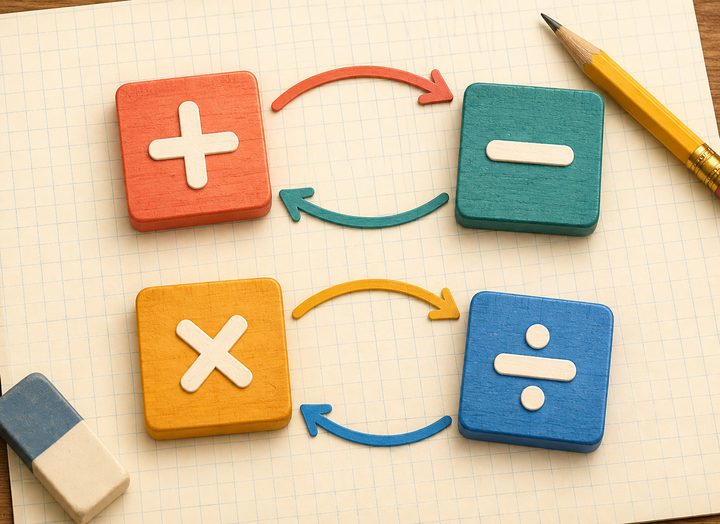
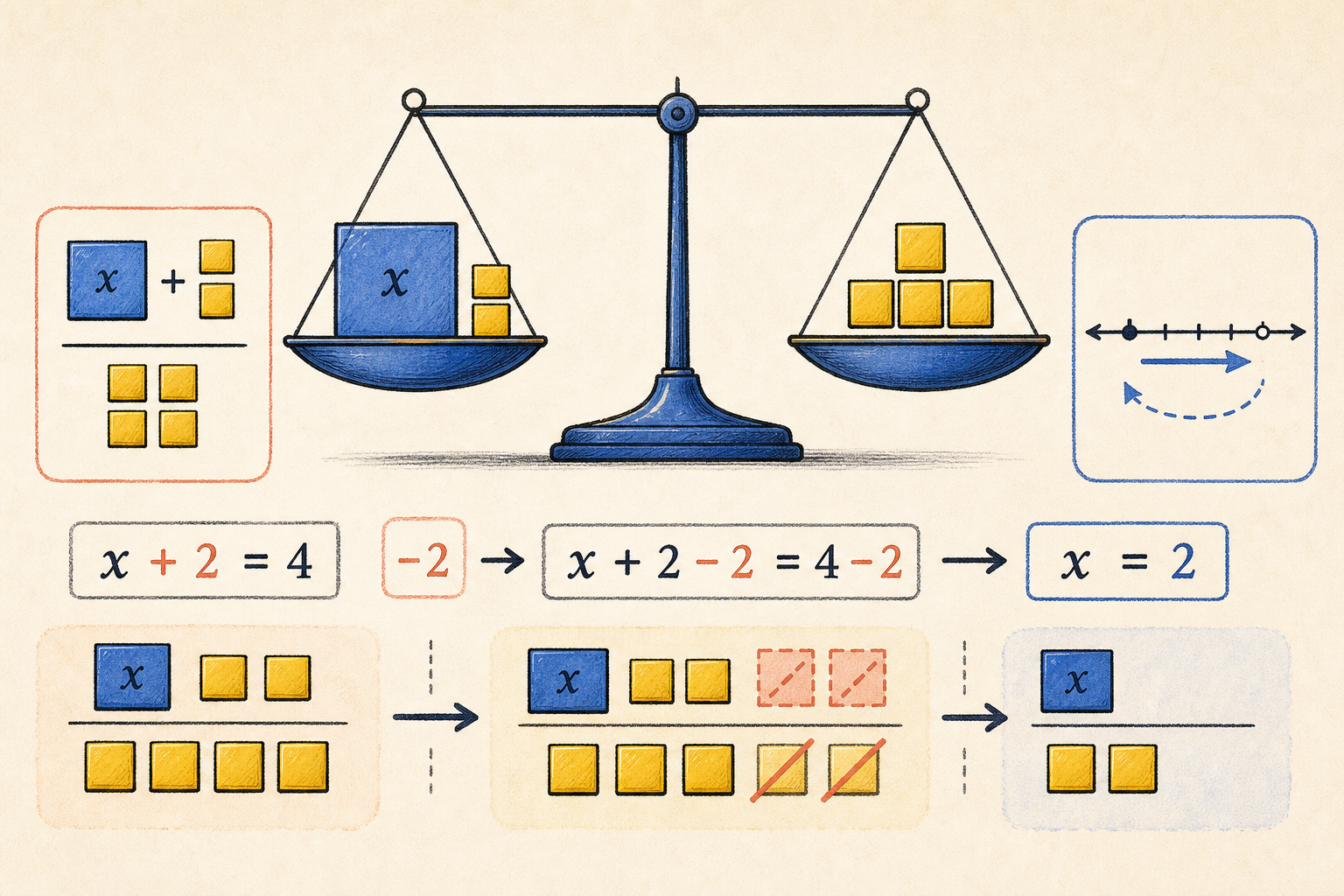
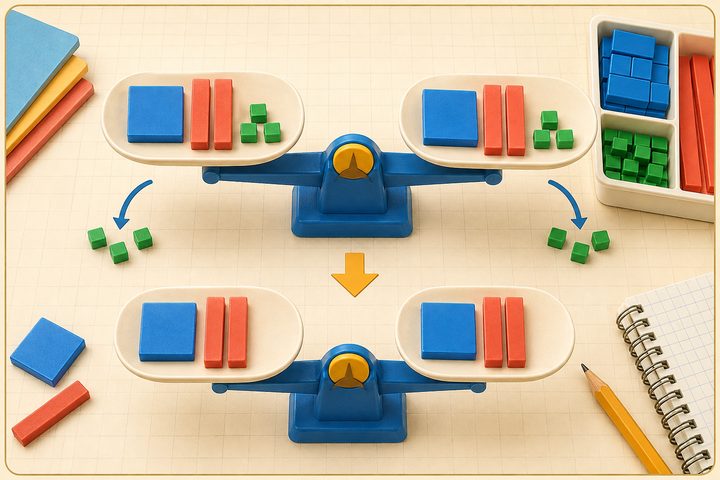
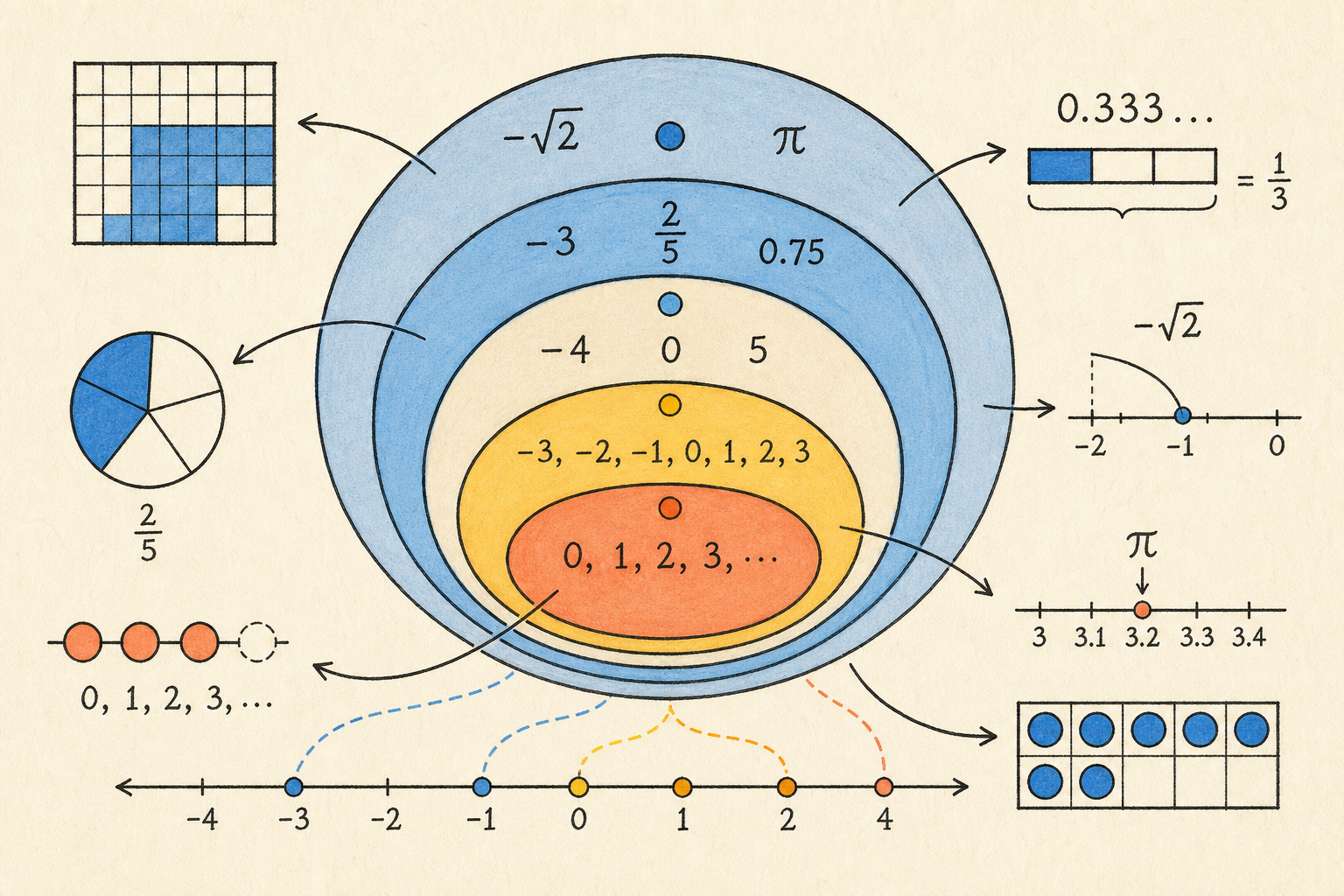
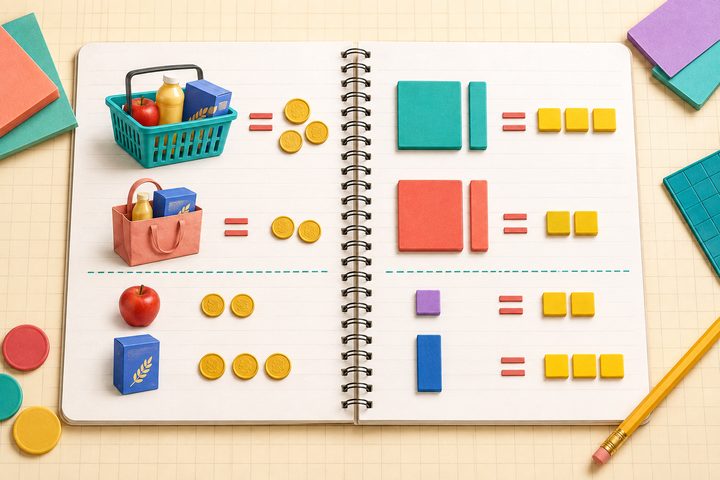
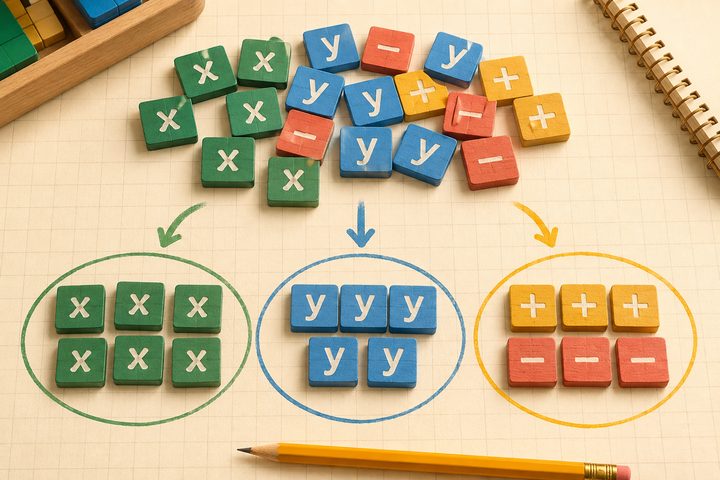
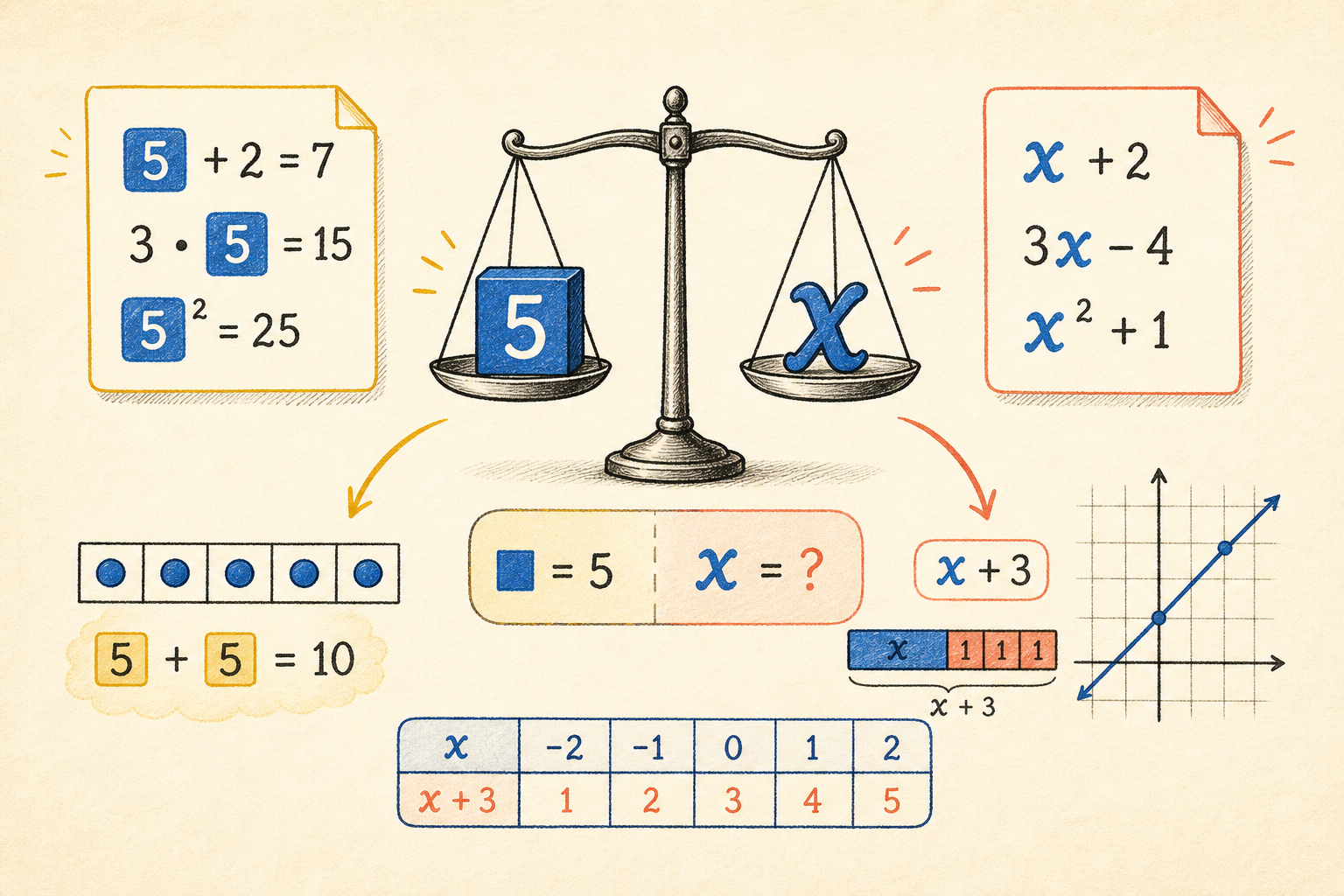
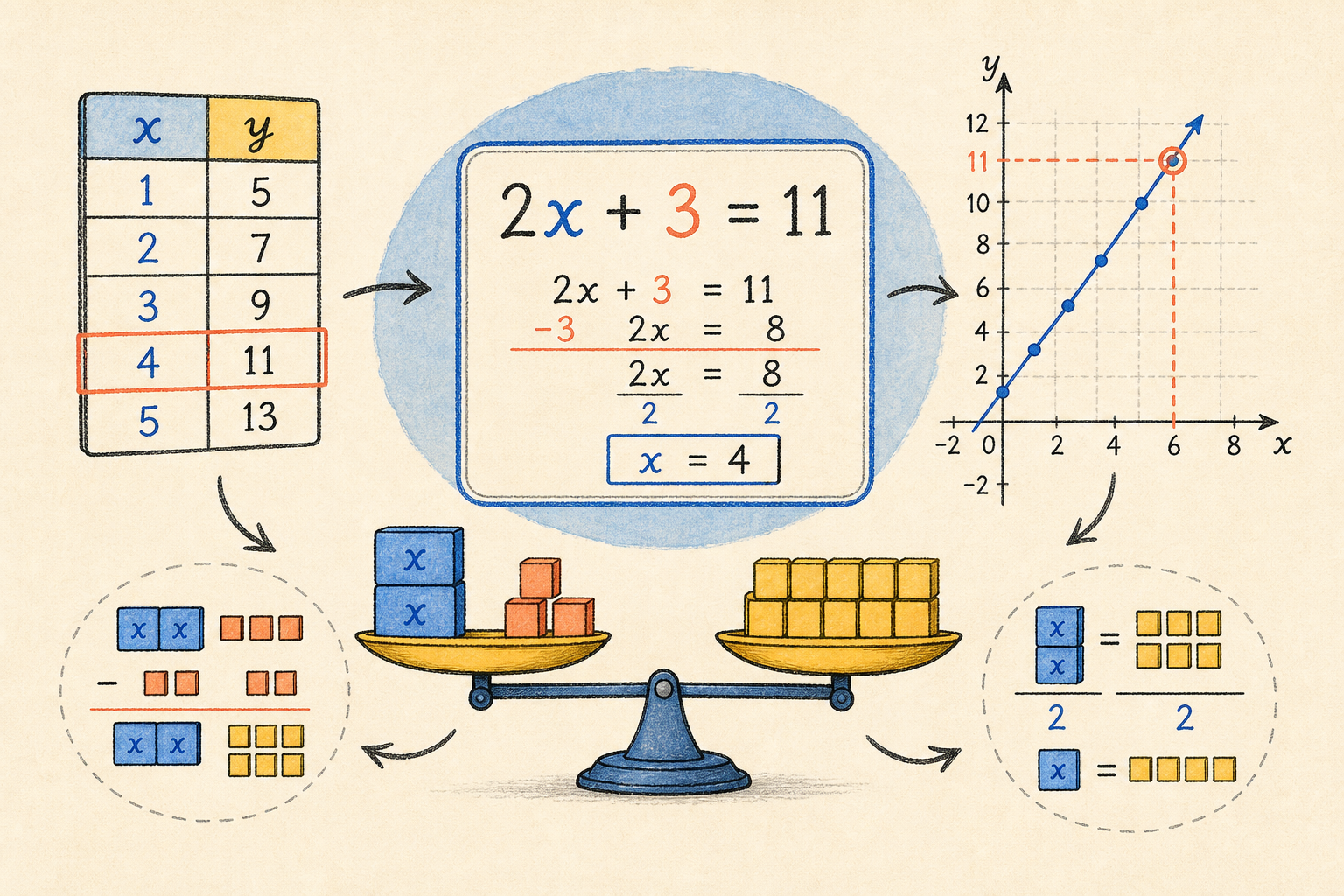
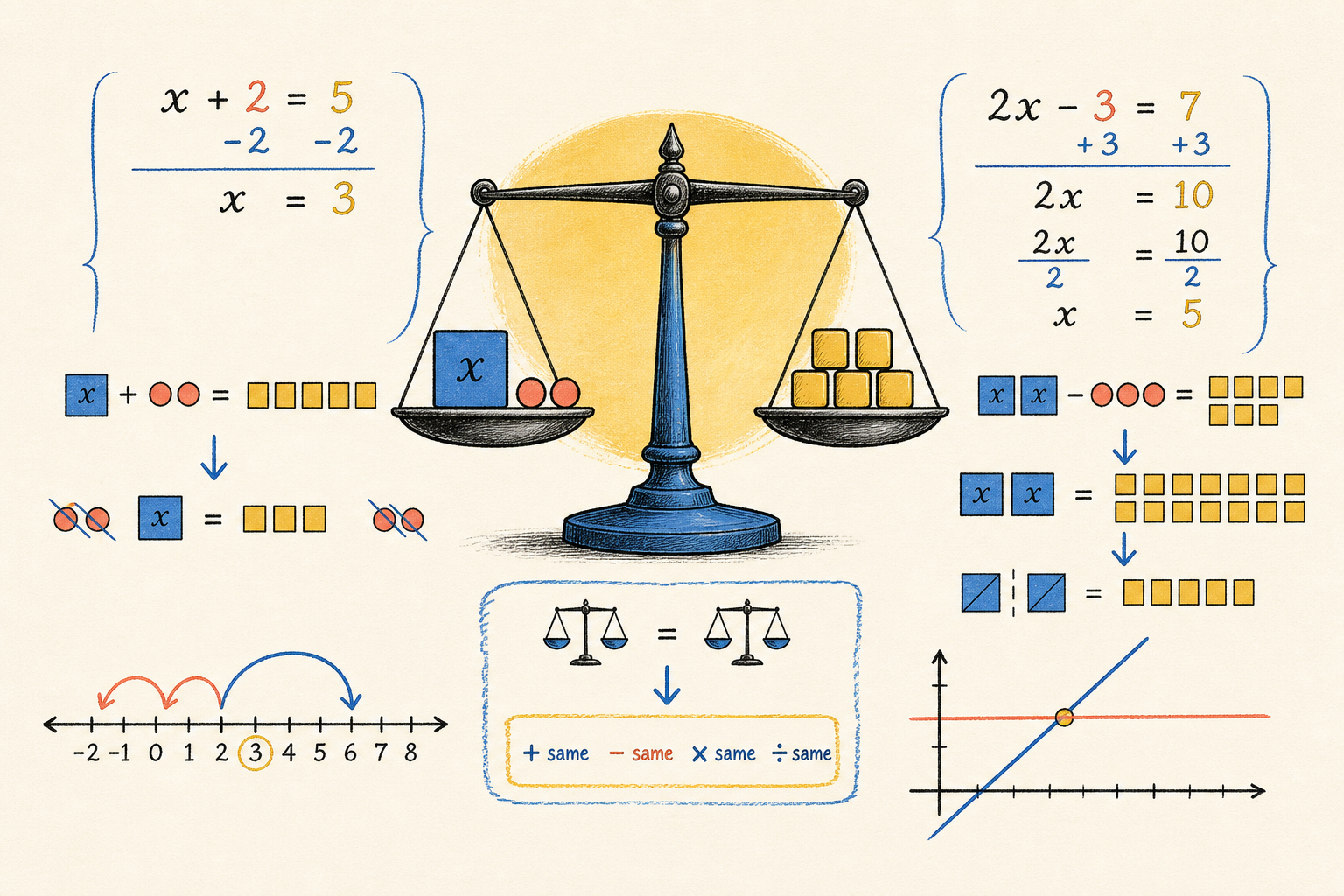
Unit 1 will help you understand the building blocks of algebra so you can confidently read, write, and solve mathematical expressions. You’ll learn how variables, constants, equations, and operations all work together. By the end of this unit, you’ll be able to substitute numbers, balance equations, and solve basic algebra problems with ease.
 Interactive Worksheet
 Interactive Worksheet
 Interactive Worksheet
 Interactive Worksheet
 Interactive Worksheet
 Interactive Worksheet
 Interactive Worksheet
 Interactive Worksheet
 Interactive Worksheet
Unit 2 - Properties of Algebra
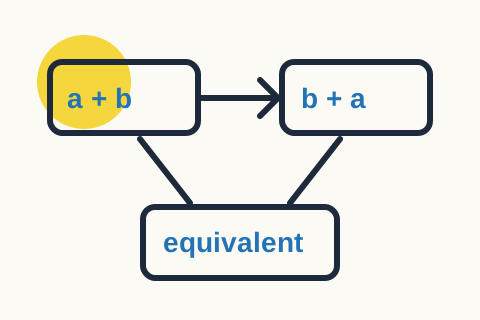
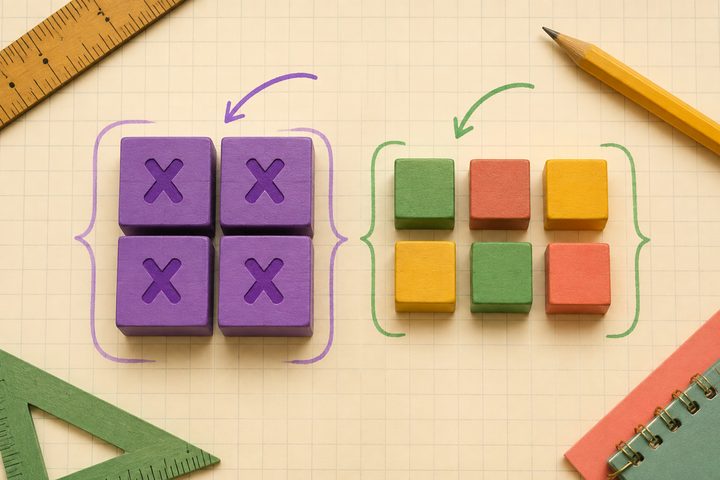
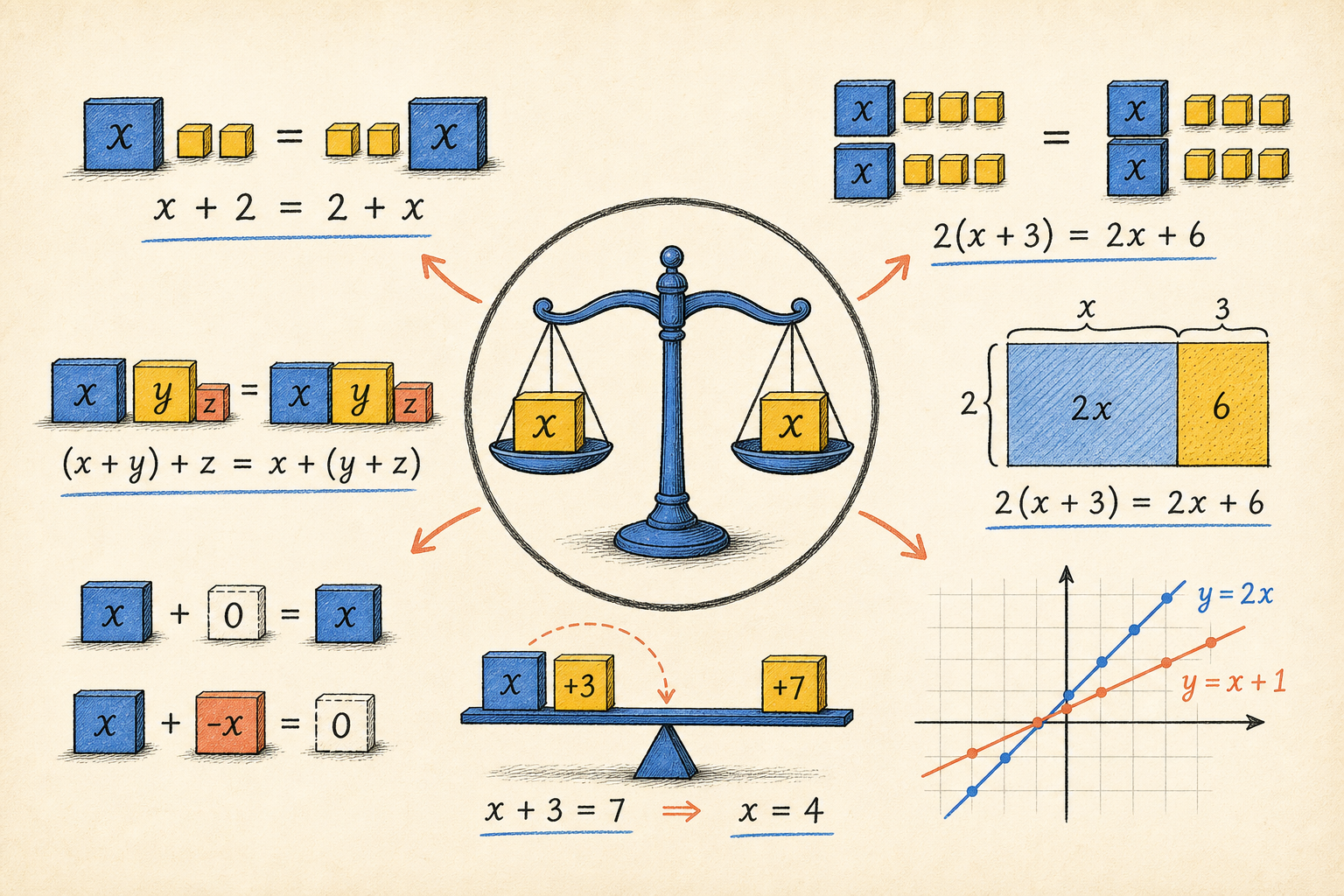
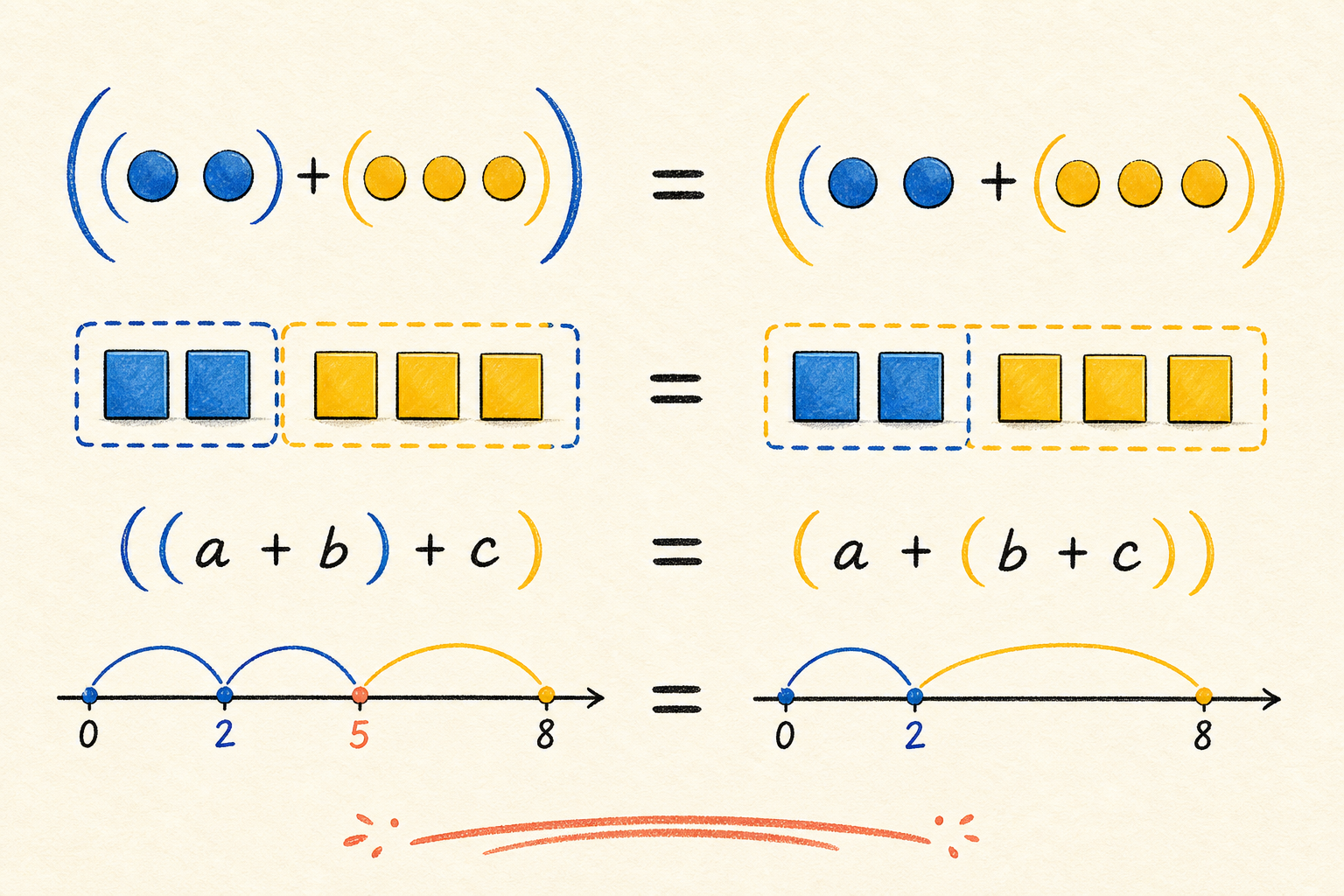
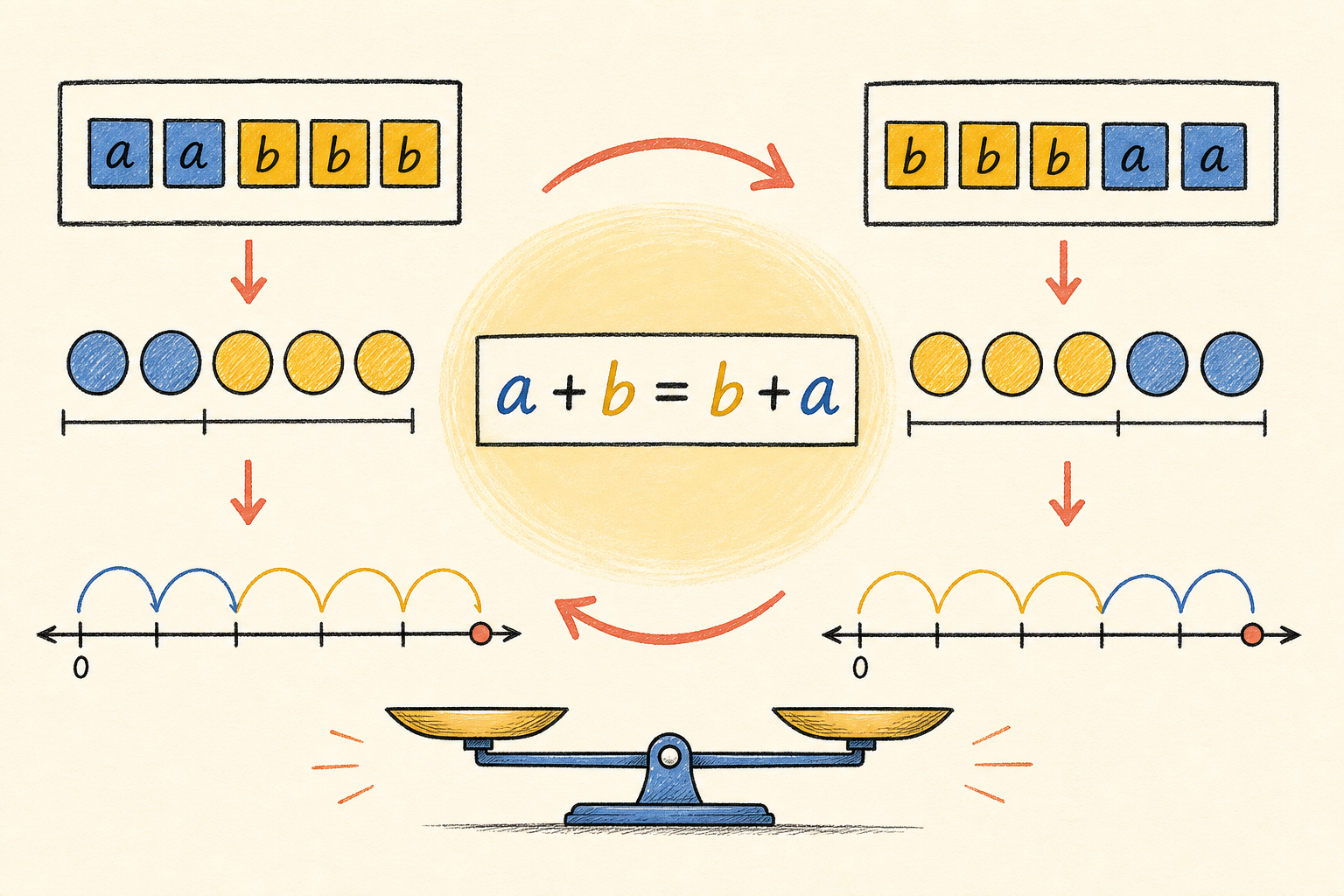
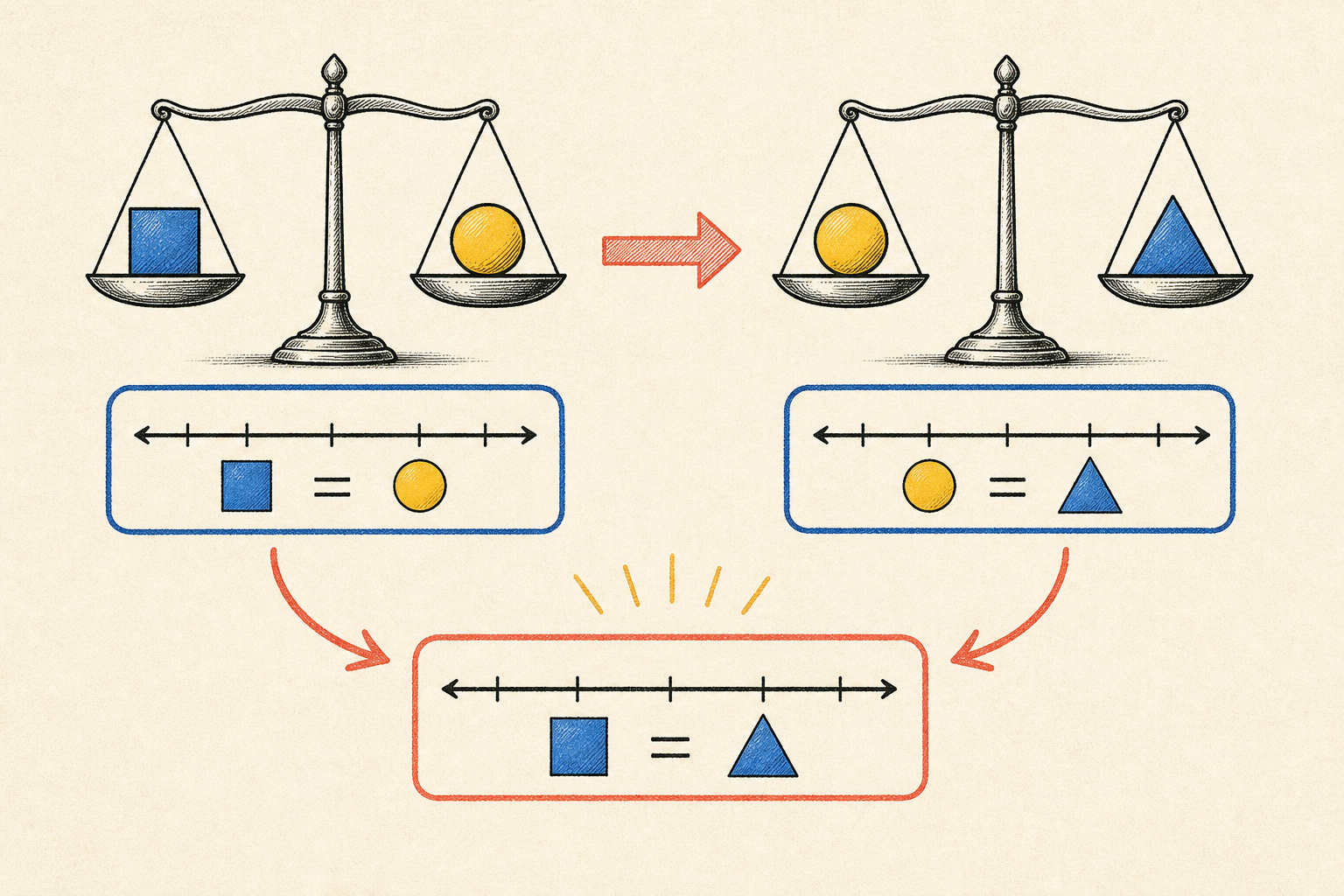
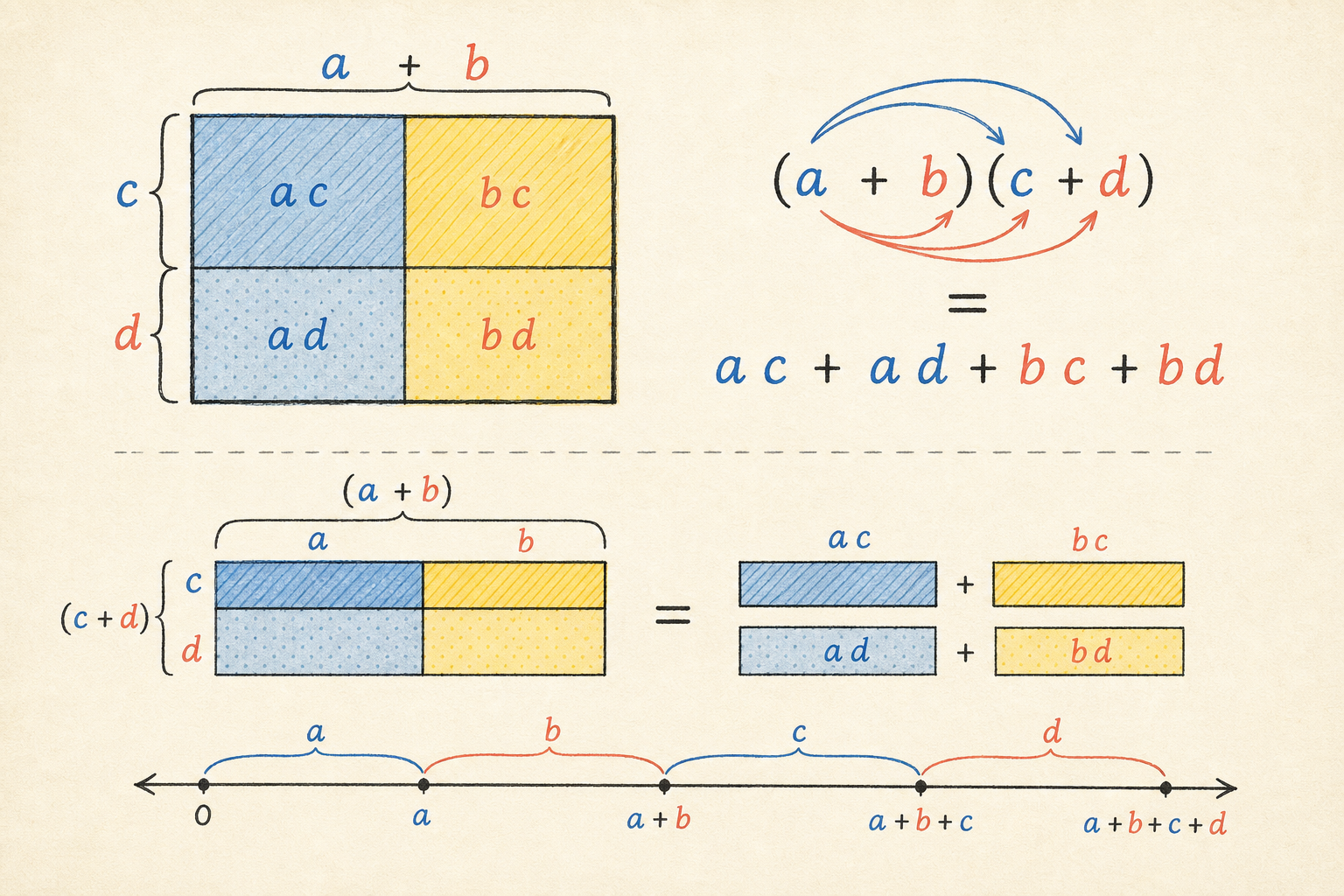
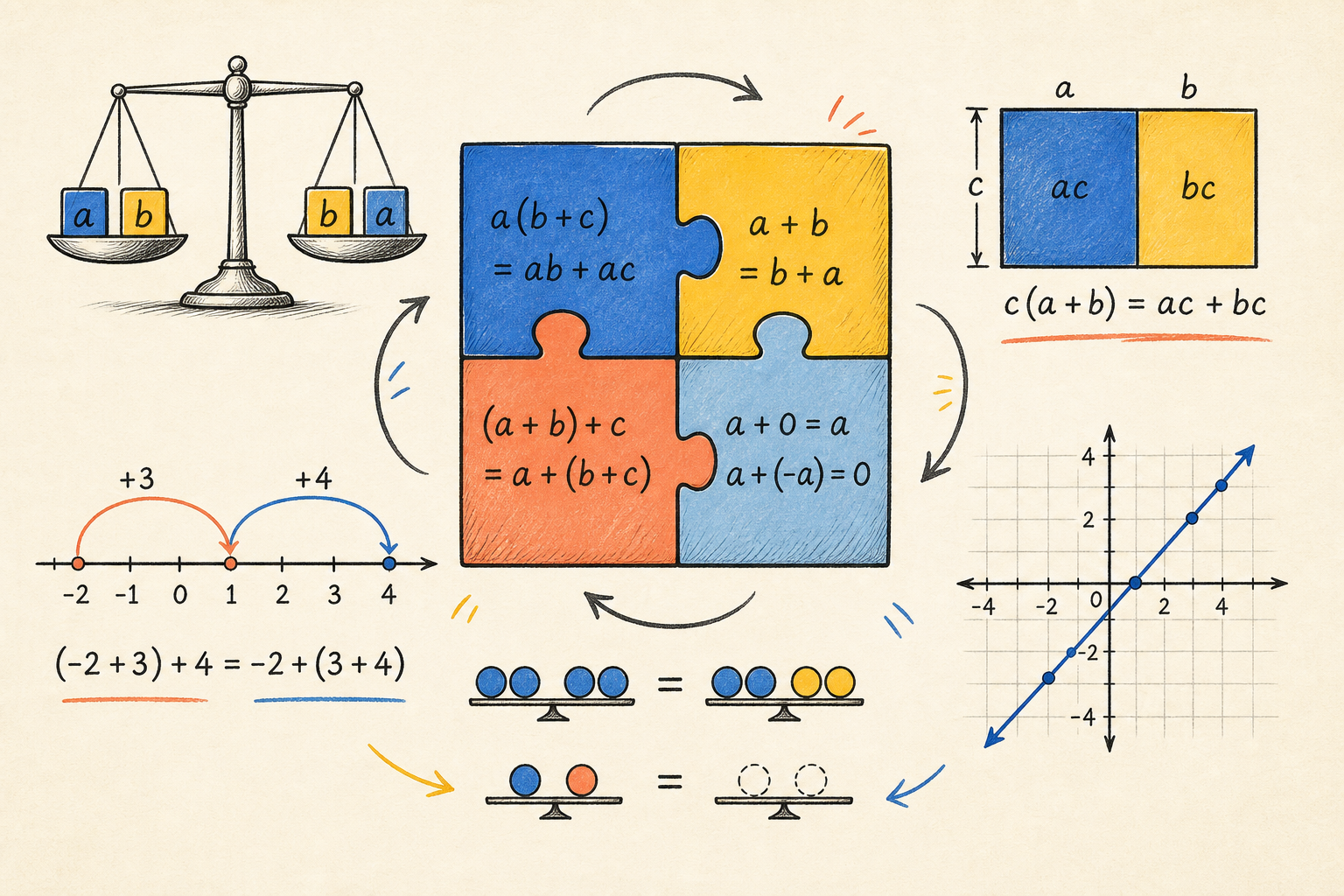
Unit 2 helps students understand the core properties that make algebra work, such as the associative, commutative, distributive, and transitive properties. Students will learn how these properties simplify expressions, make problem-solving easier, and reveal patterns that show up in real-life situations.
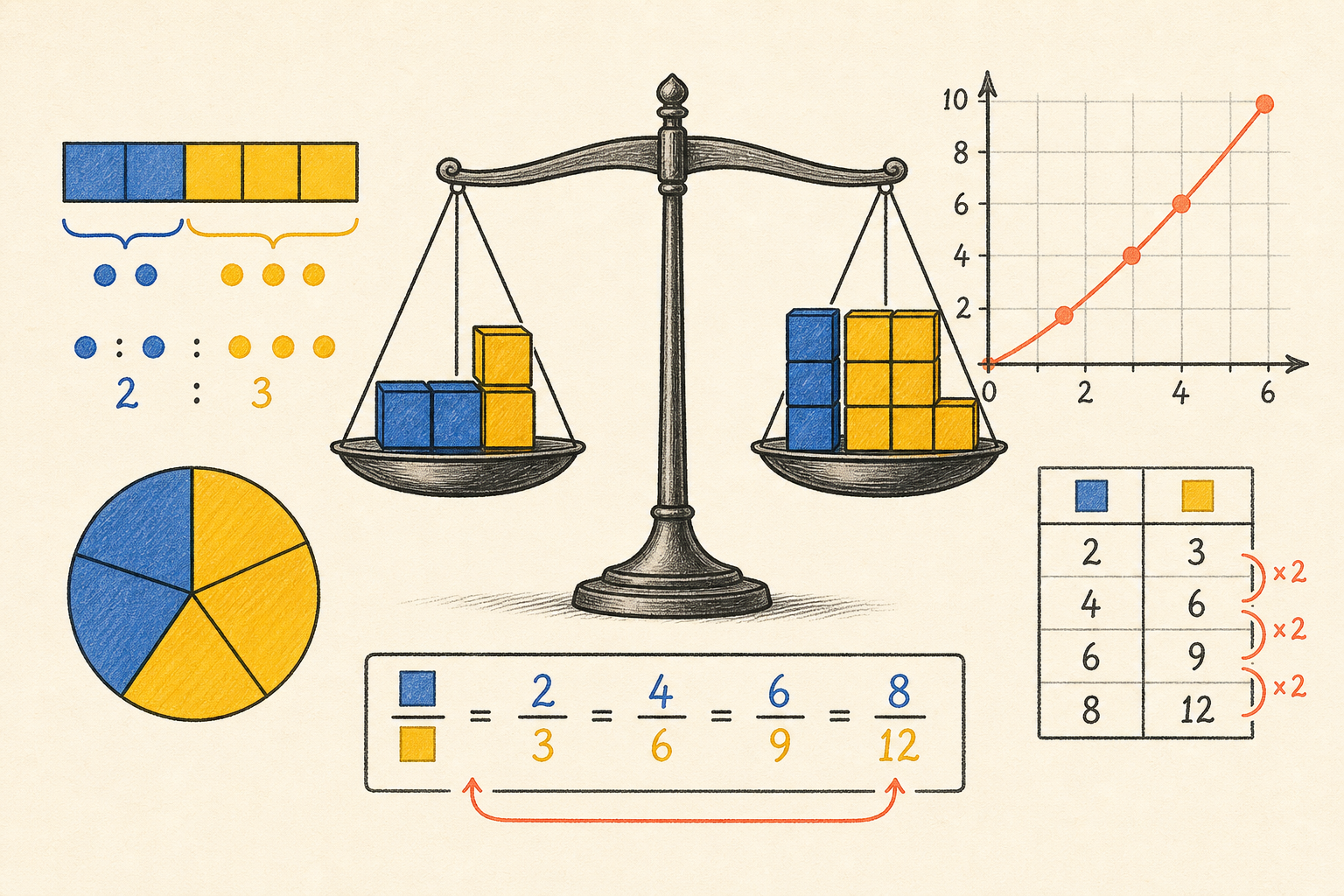
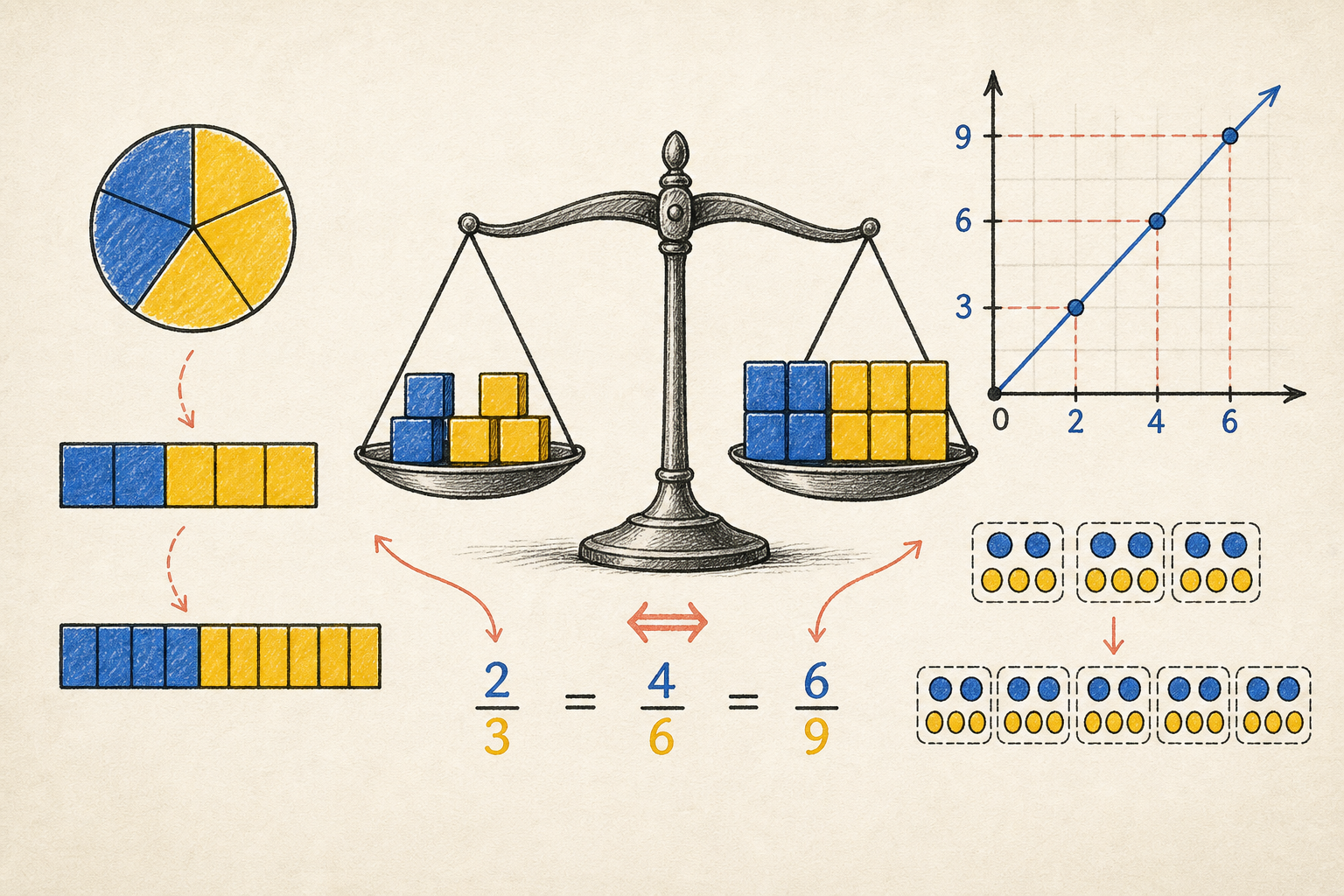
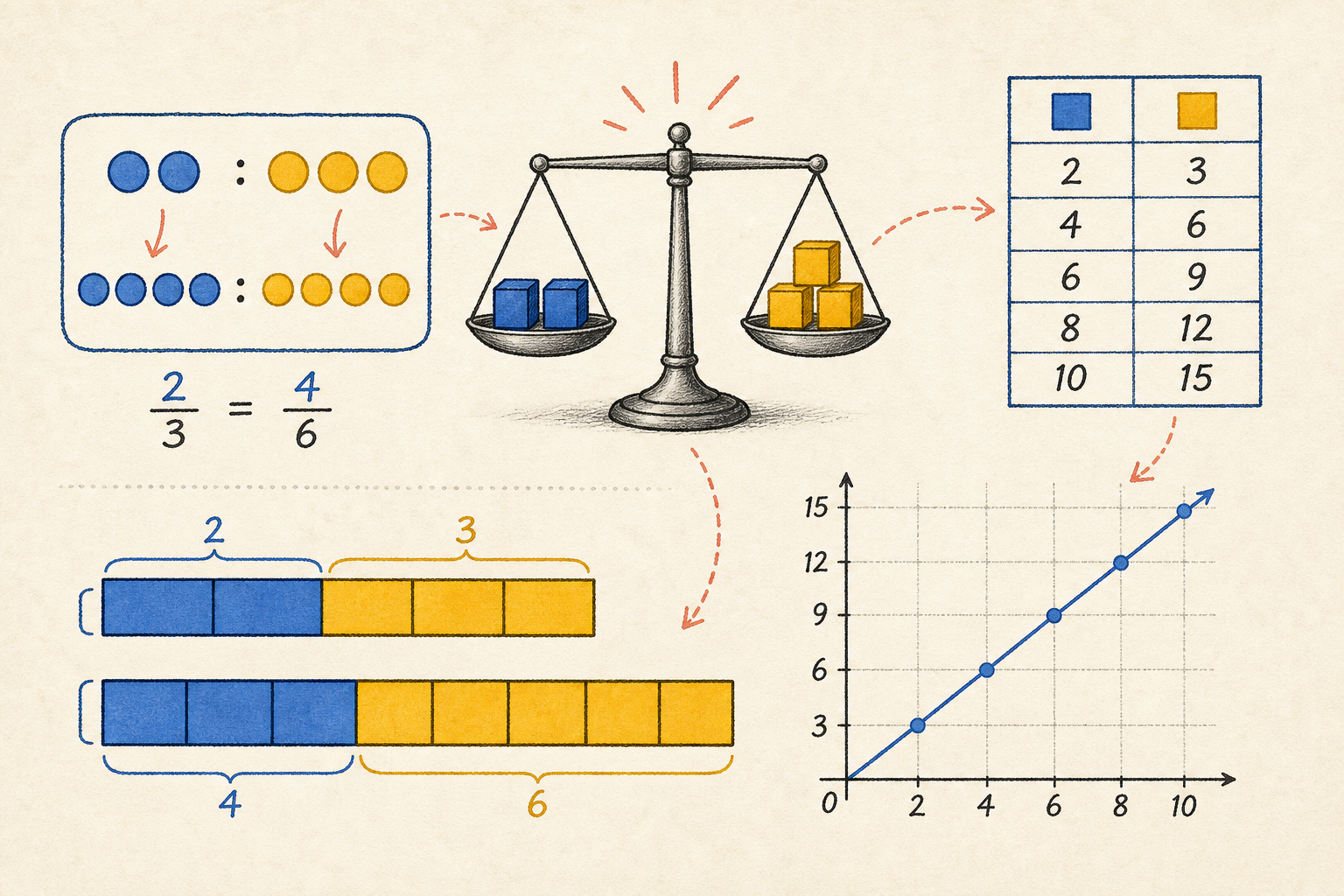
Unit 4 - Ratios, Proportions and Percents
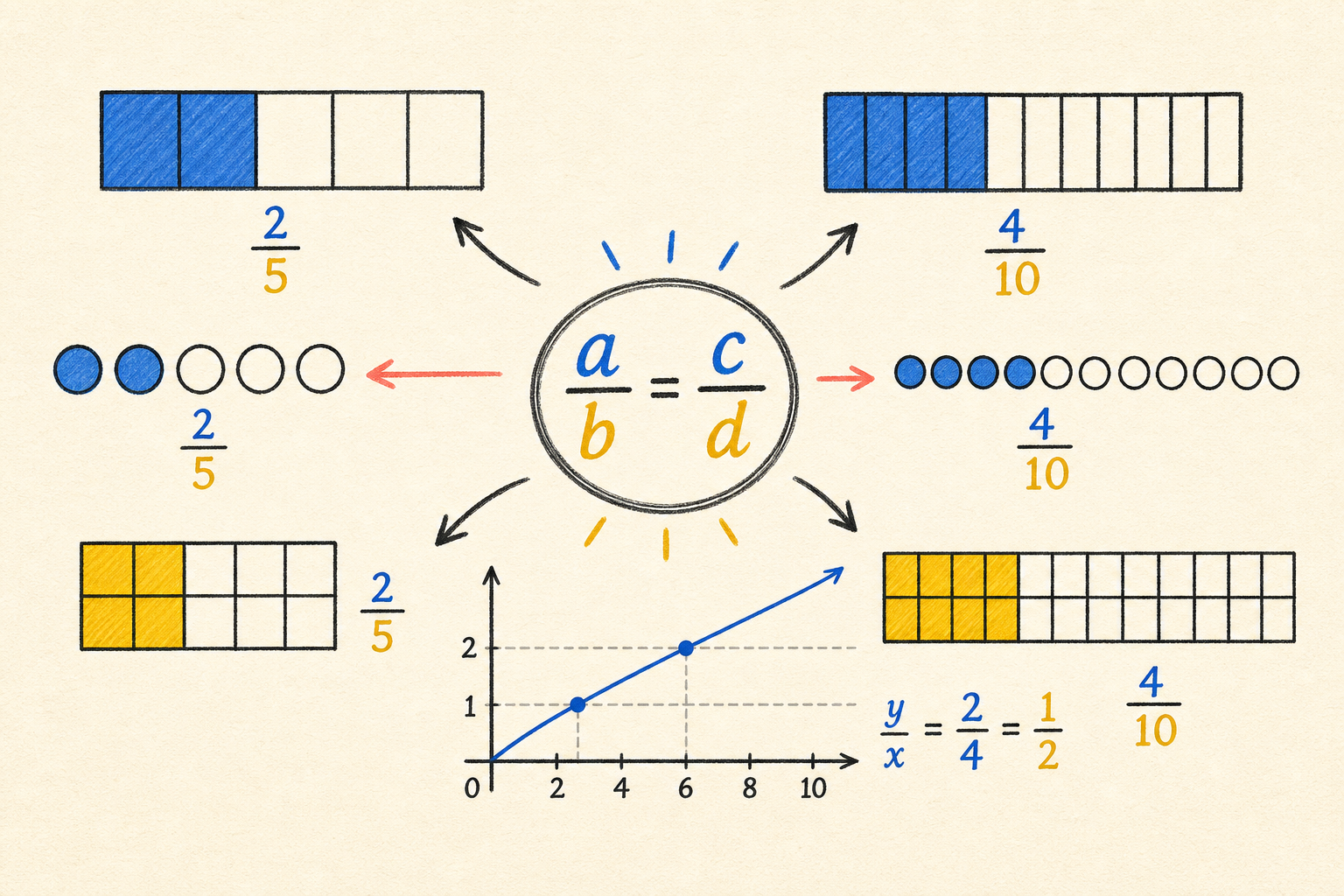
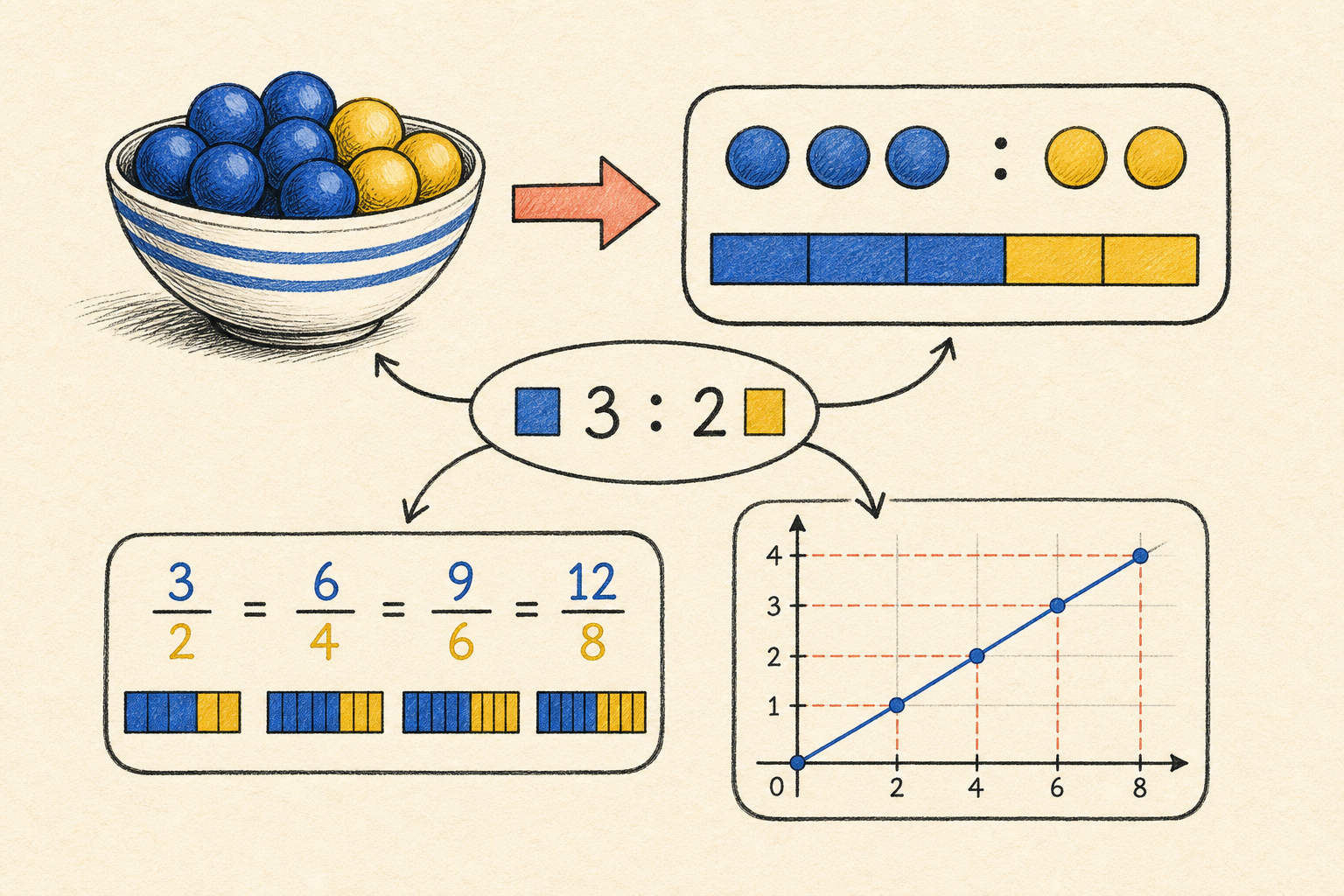
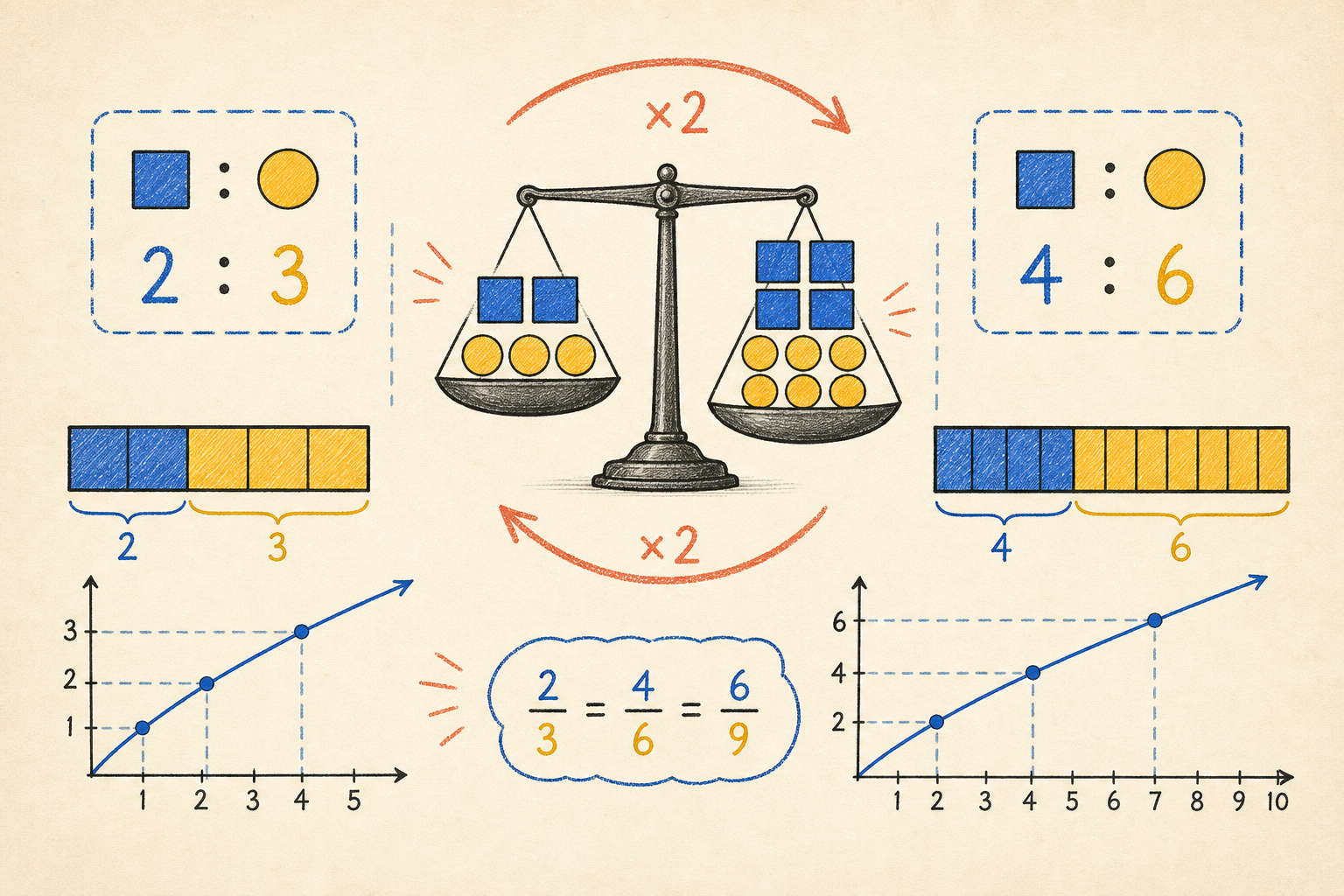
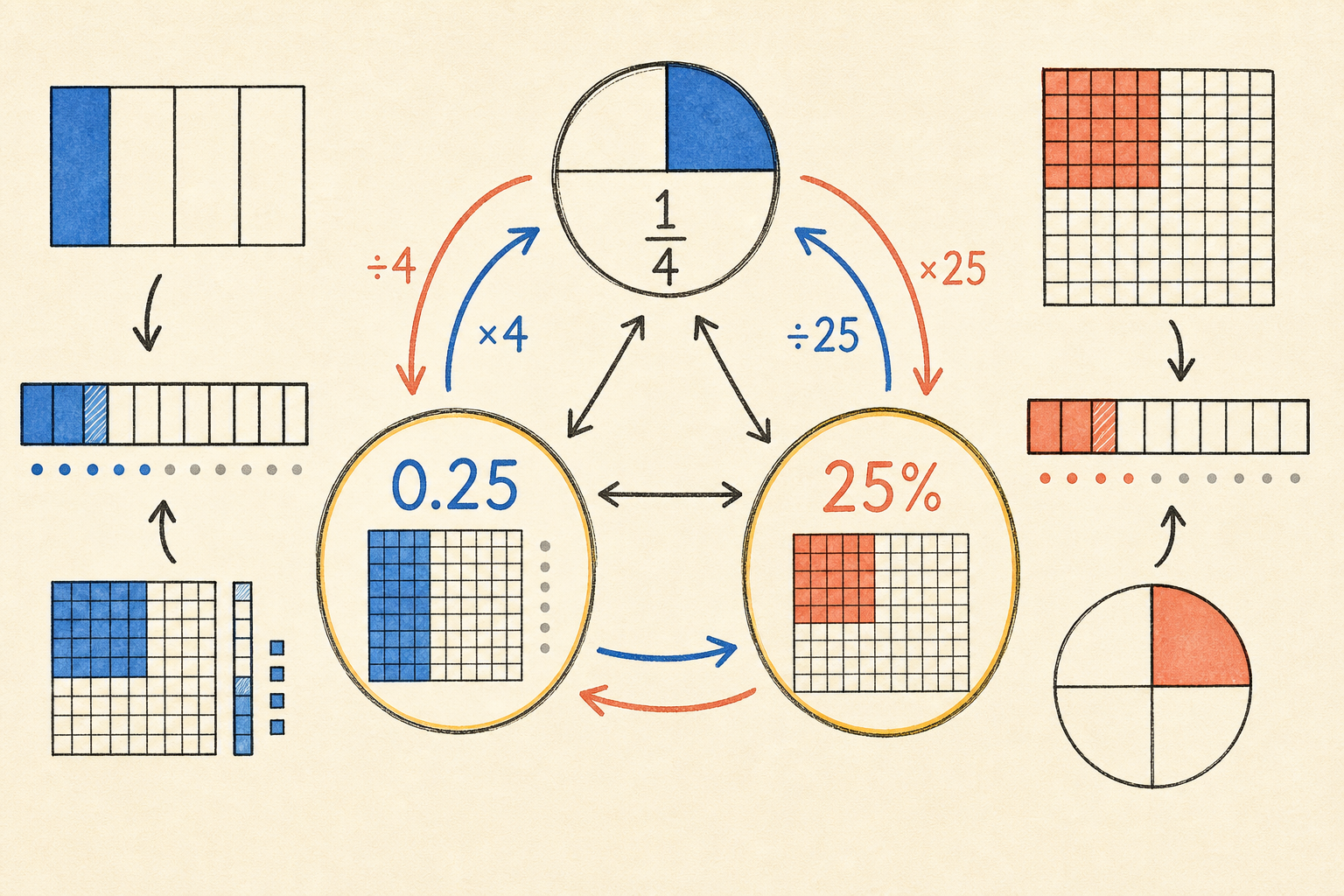
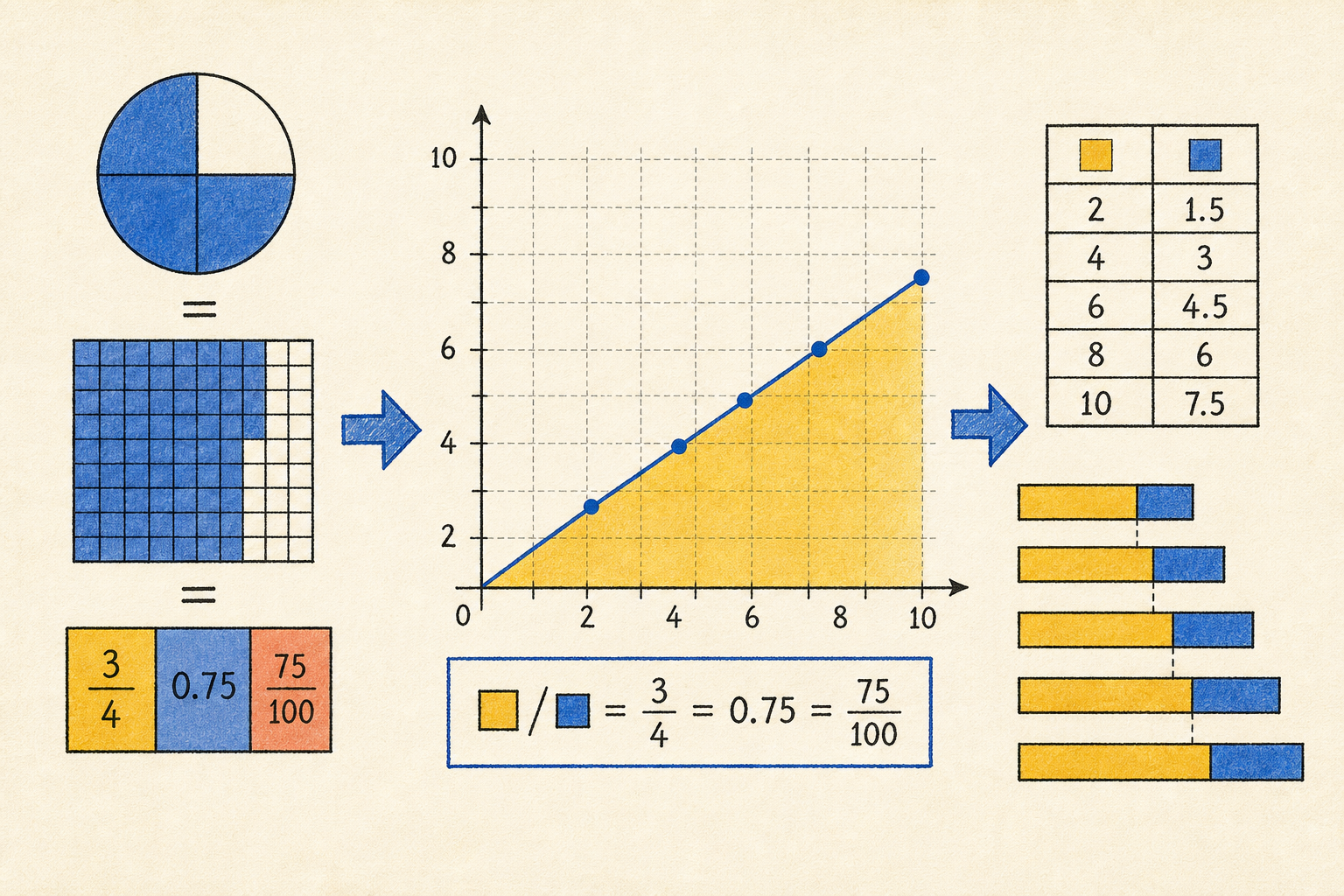
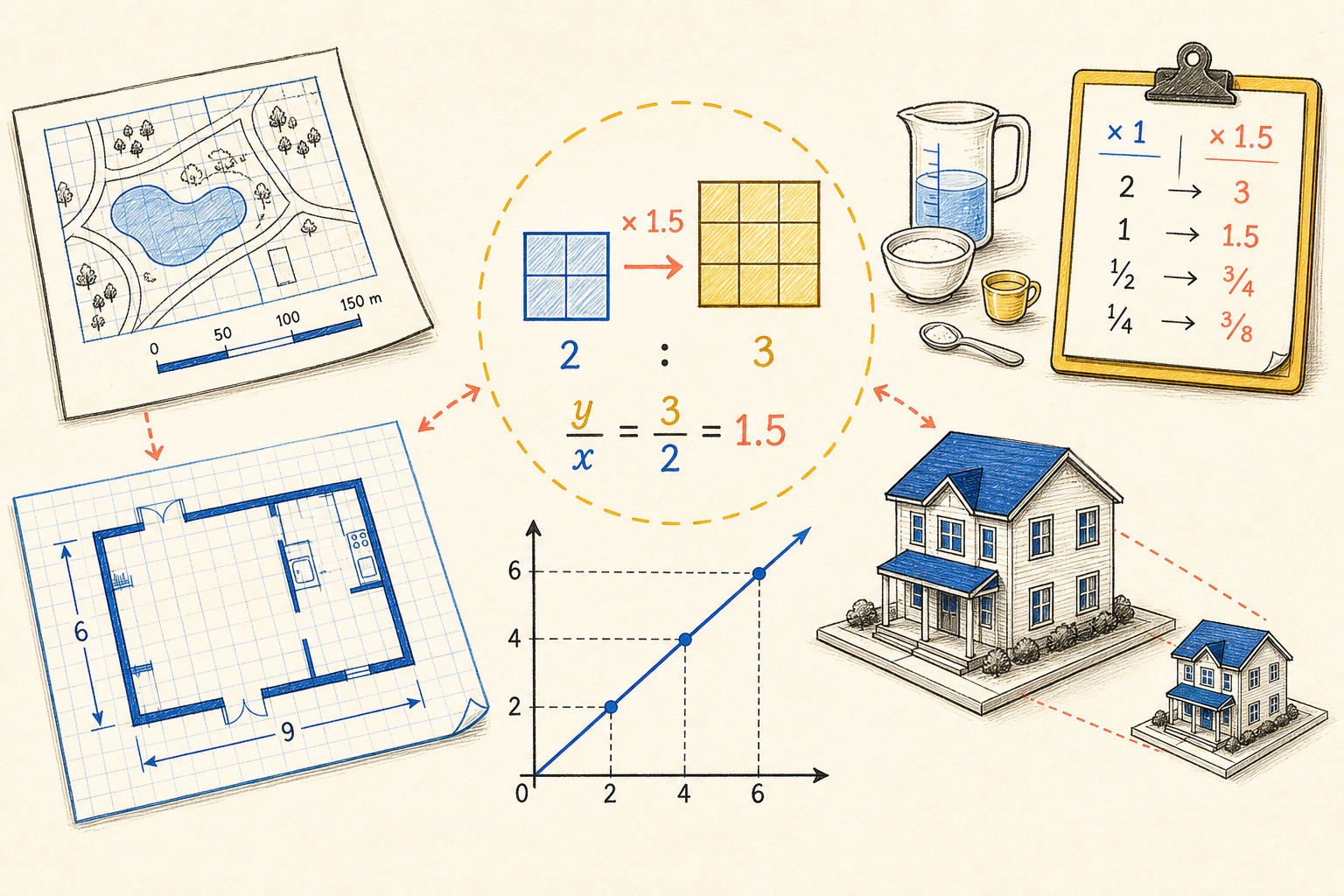
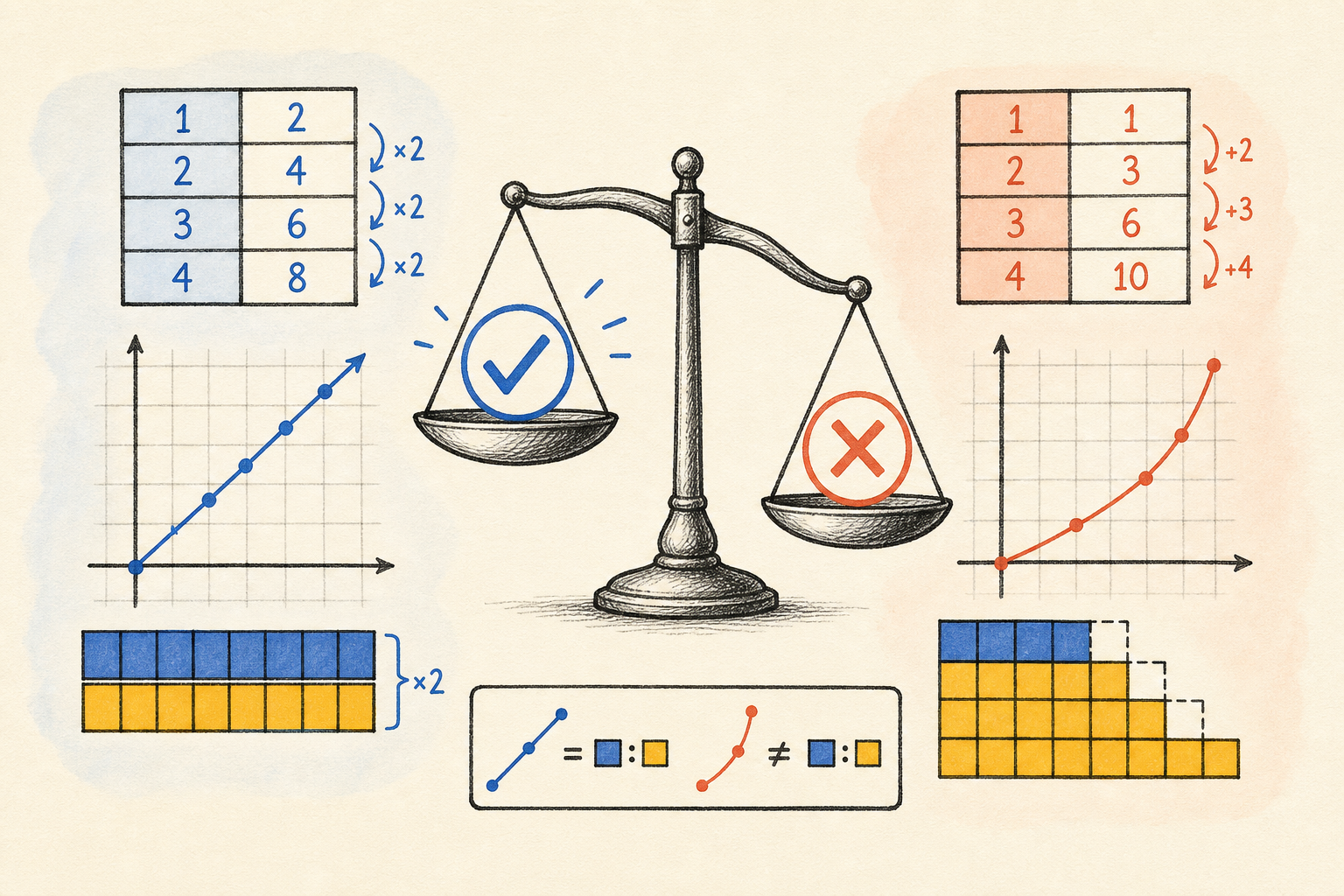
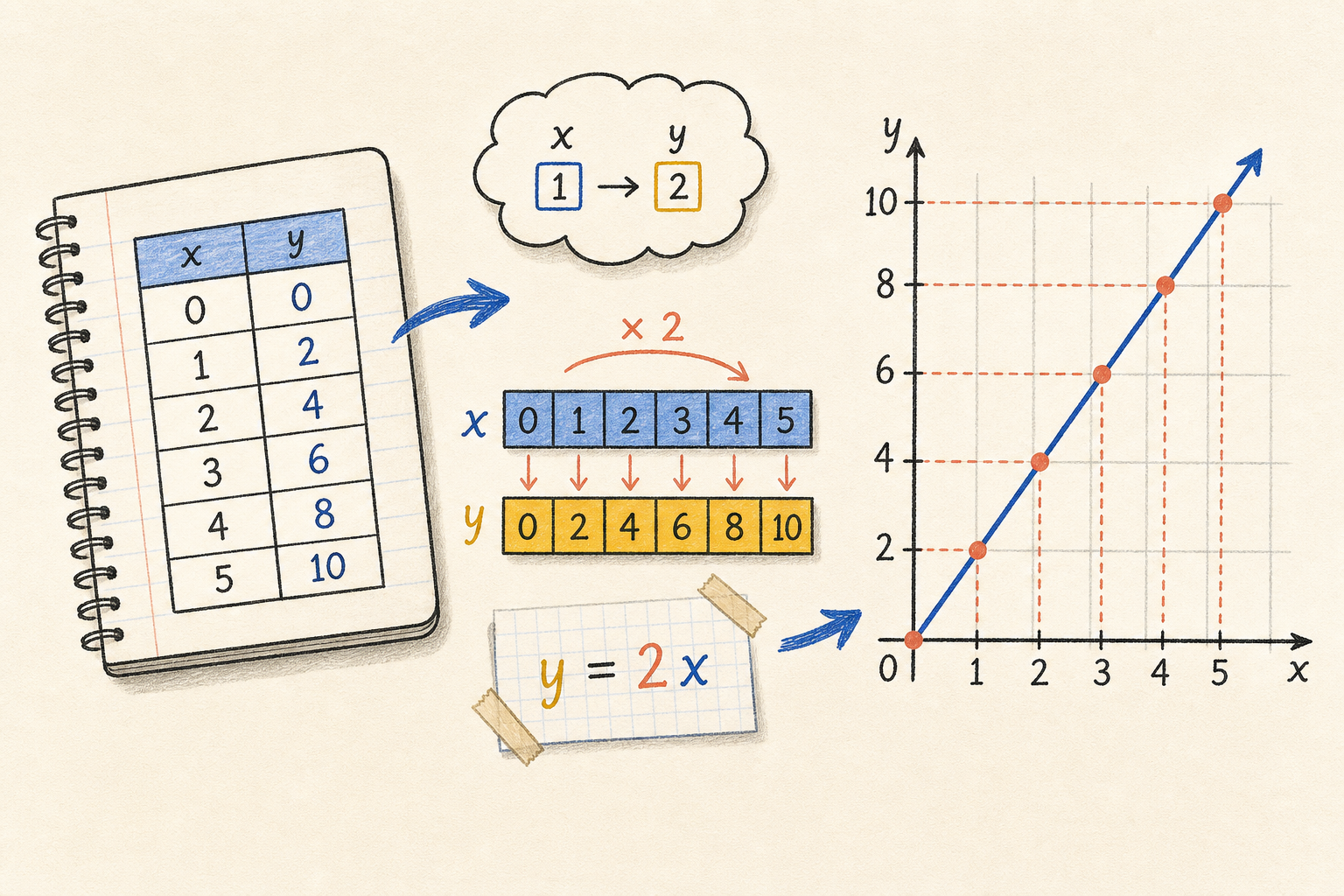
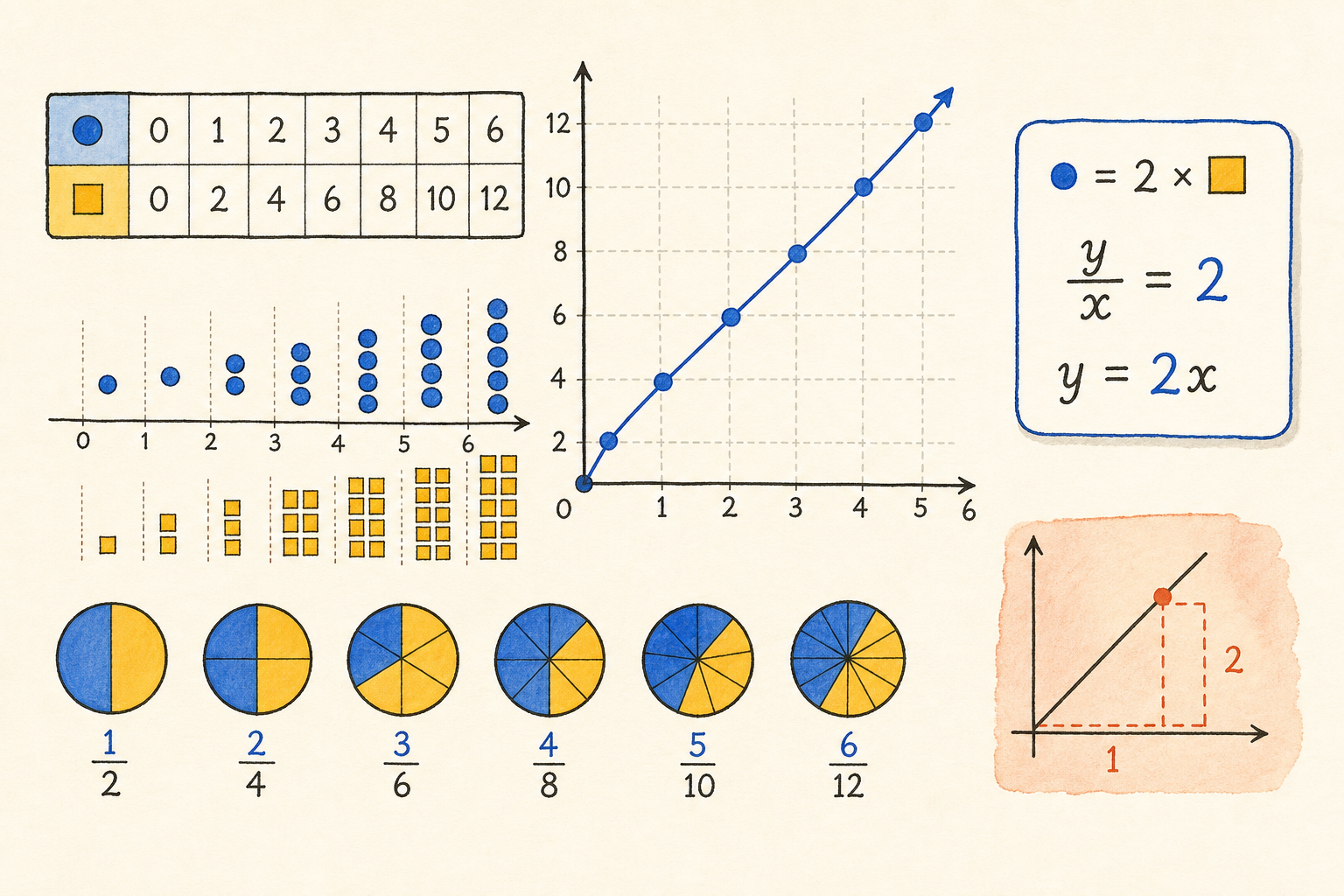
Learn to describe relationships with ratios, solve real problems with proportions, and unlock the meaning of percents.
Unit 5 - Probability and Statistics
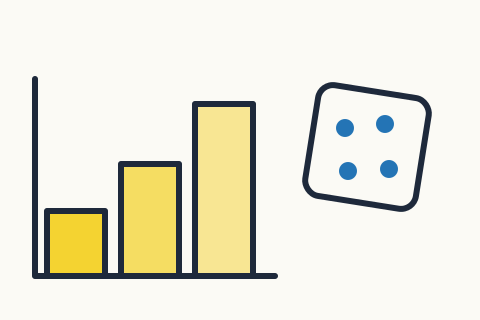
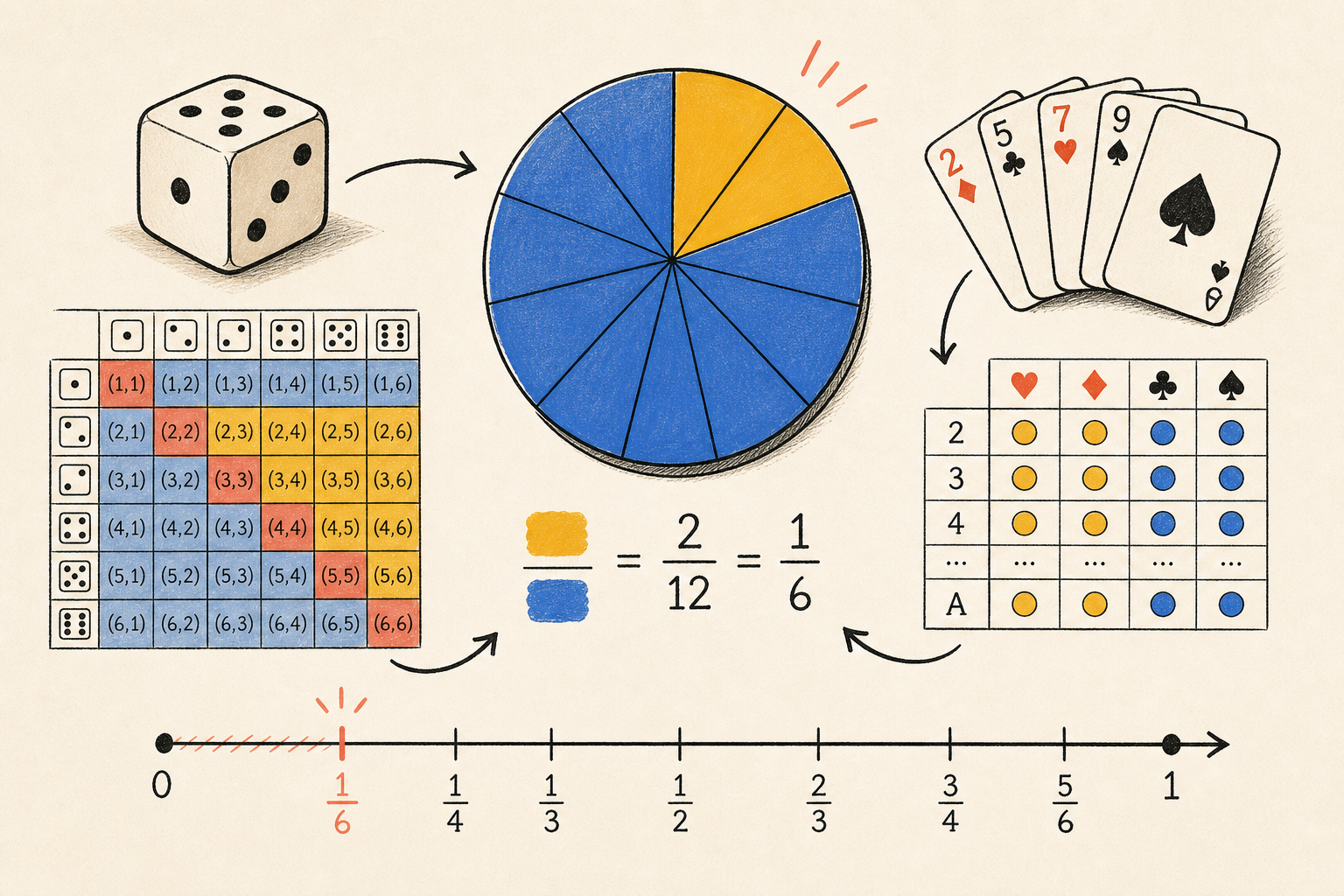
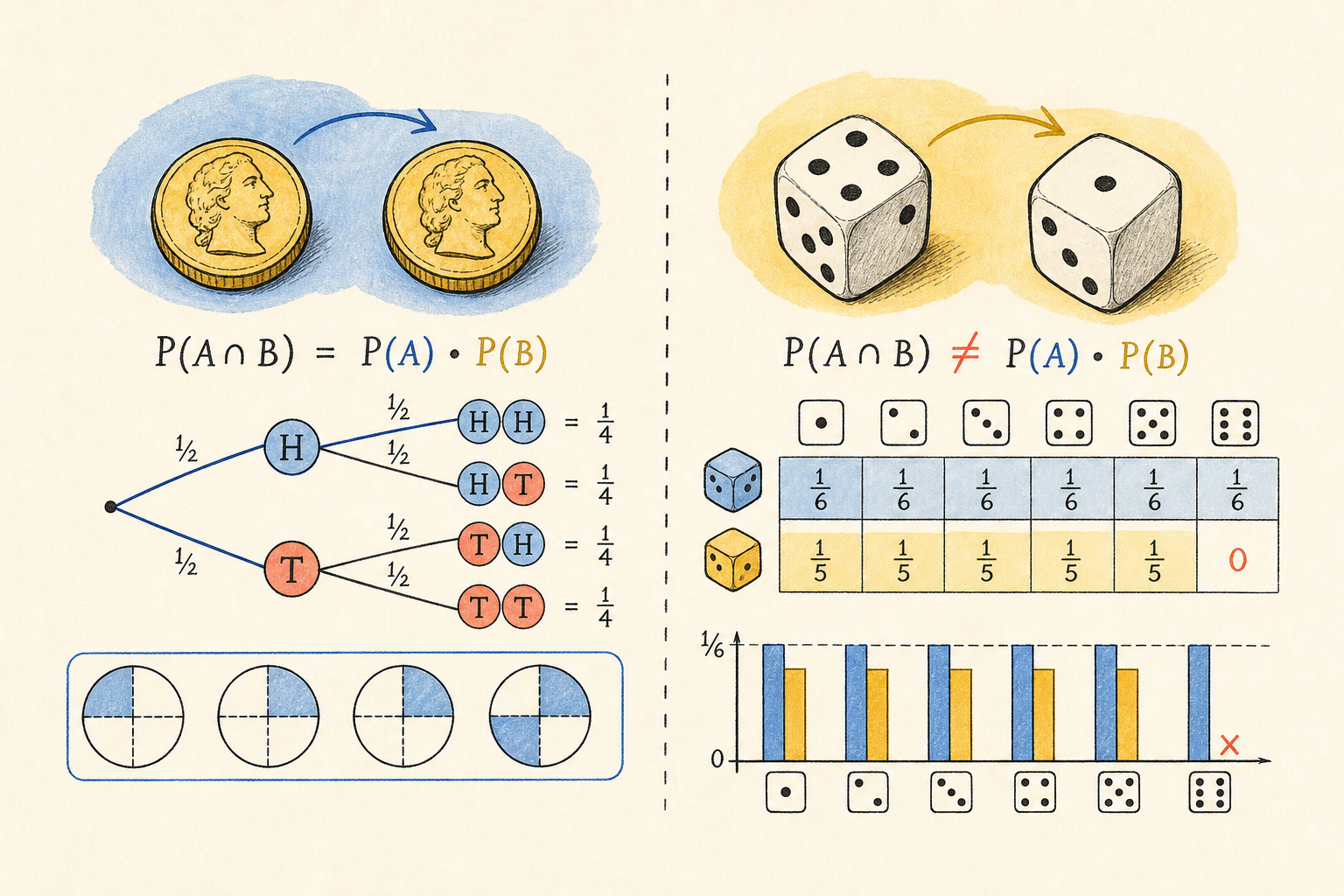
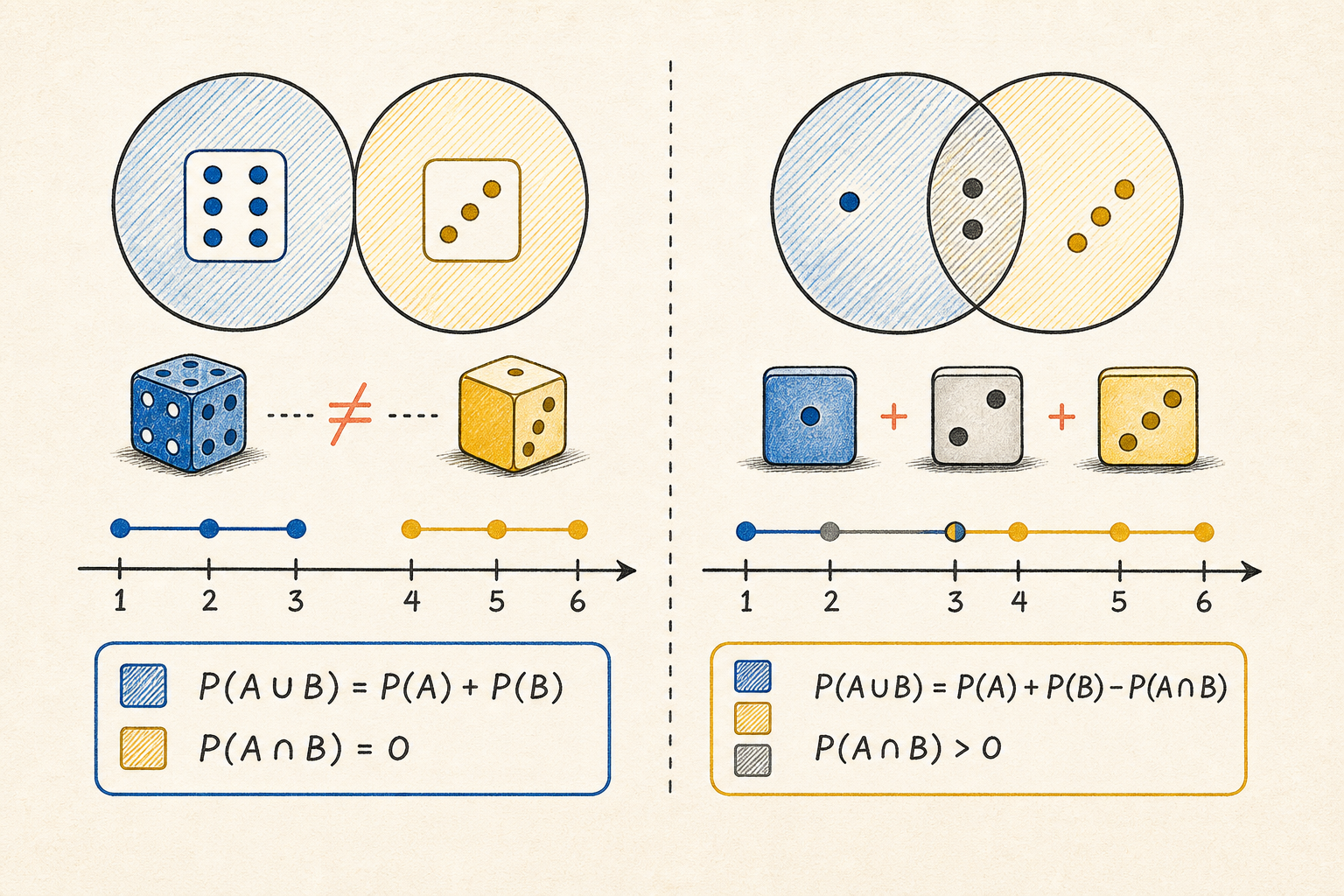
Probability helps us understand how likely something is to happen. From flipping coins to rolling dice to drawing cards, probability gives us a way to measure chance and make predictions about events, even when the outcome is uncertain.
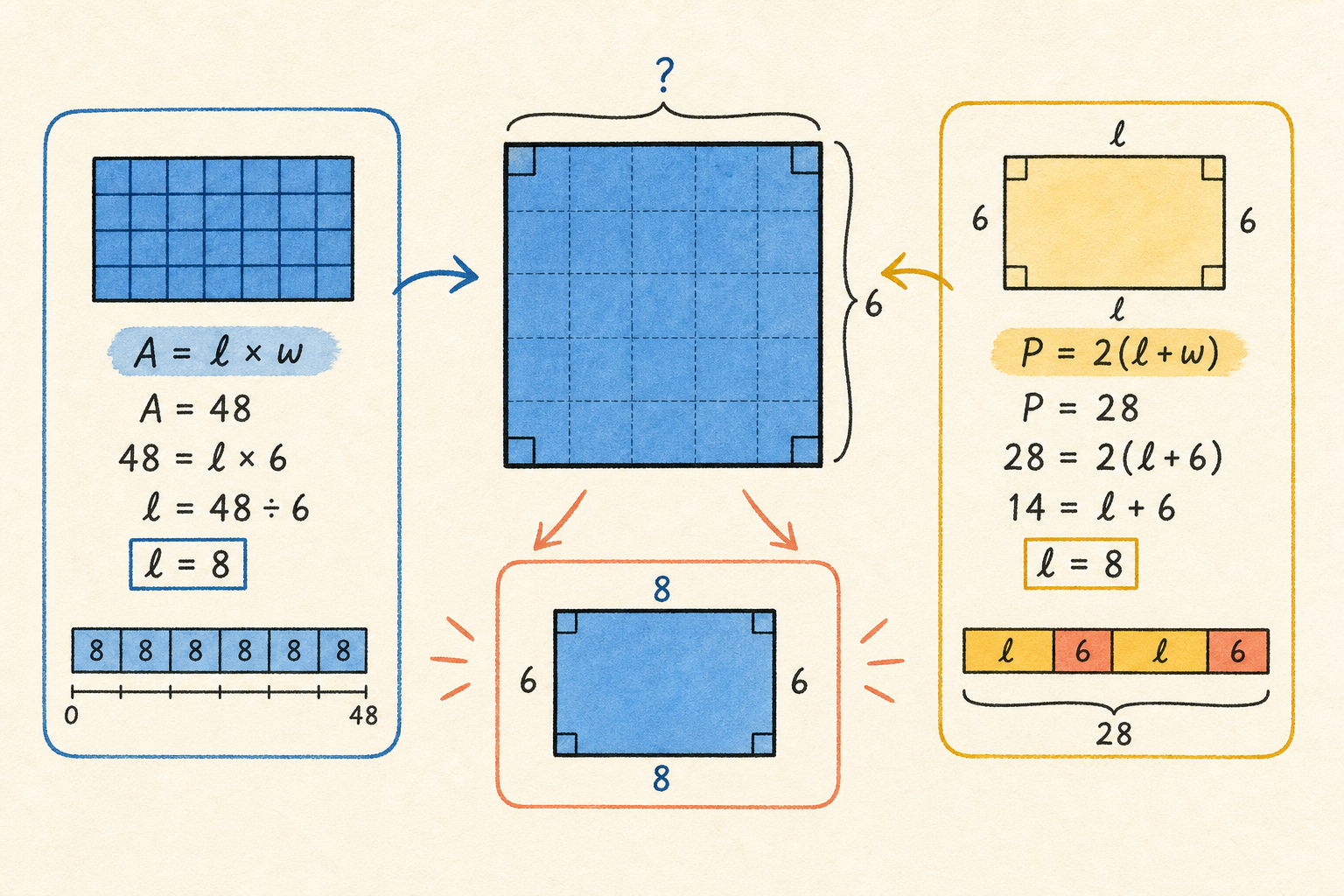
Unit 6 - Area and Perimeter
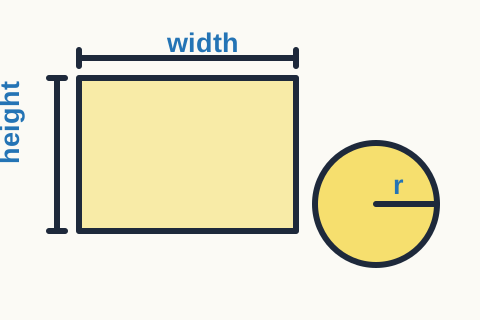
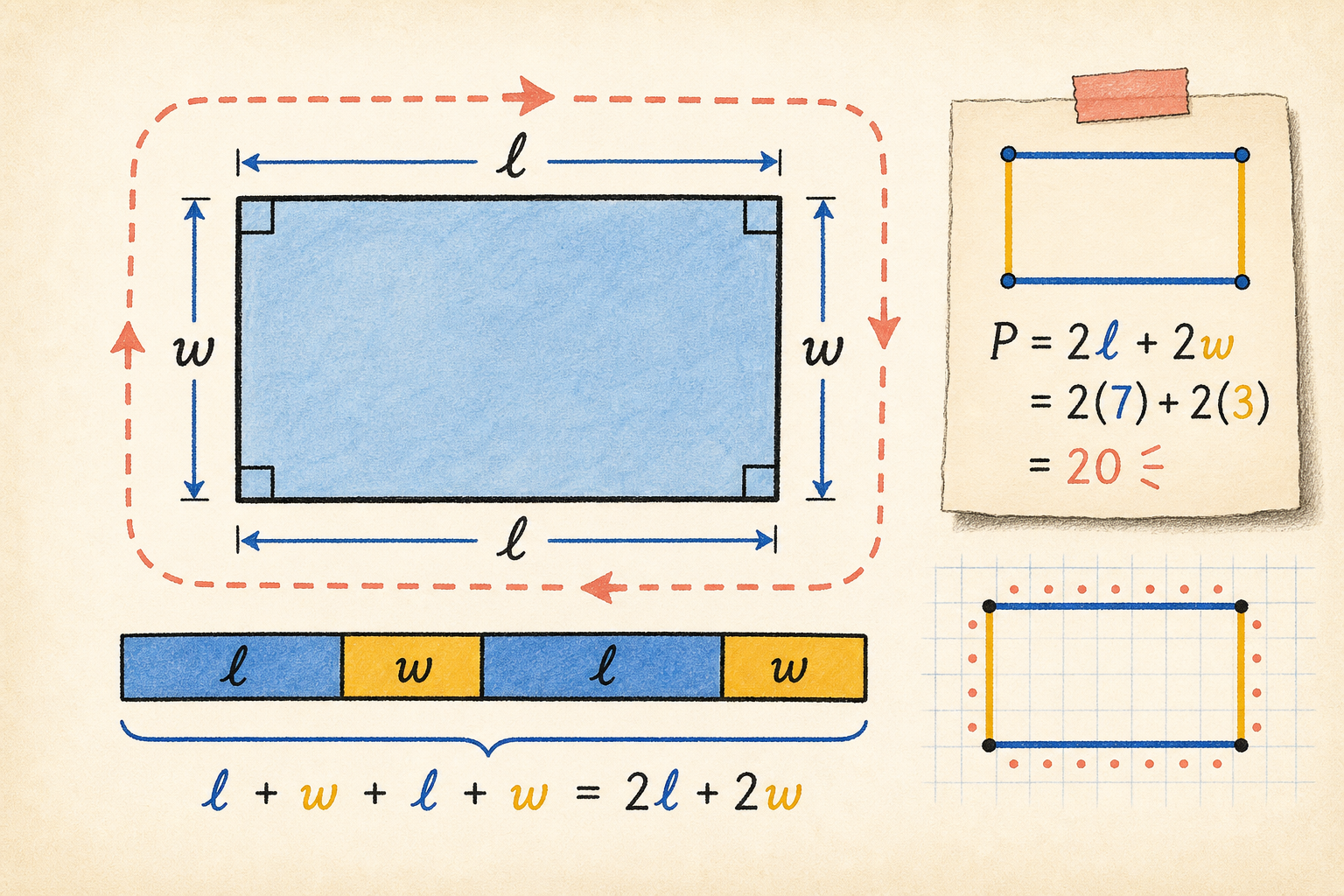
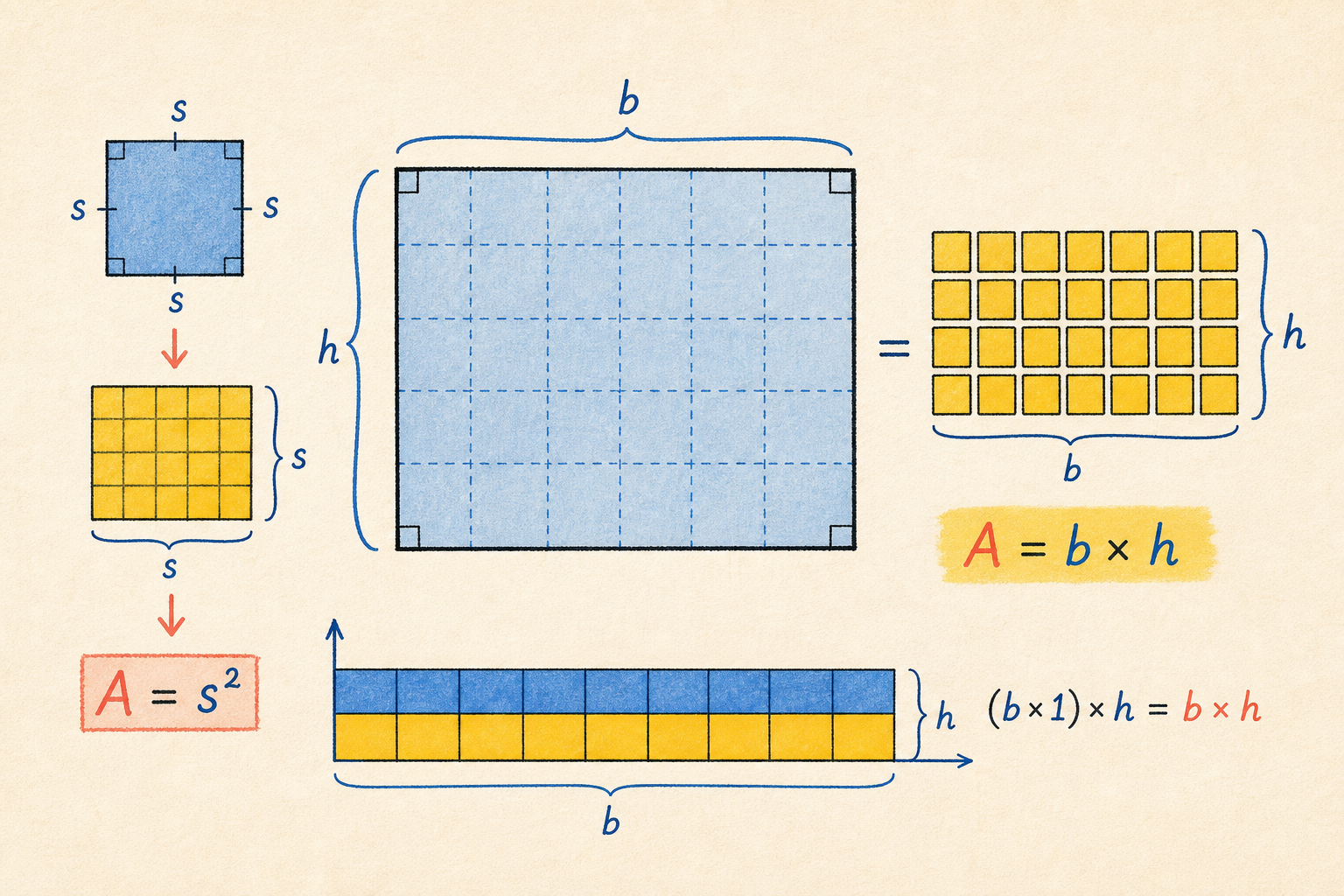
This unit will teach you how to find the area (space inside) and perimeter (distance around) of different shapes, including squares, rectangles, parallelograms, trapezoids, and circles. By learning the formulas and practicing with real-life examples, you’ll see how geometry connects to everyday things like fields, playgrounds, and pizzas.
Unit 7 - Mastering Inequalities
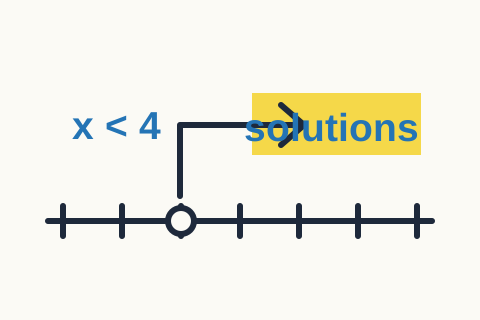
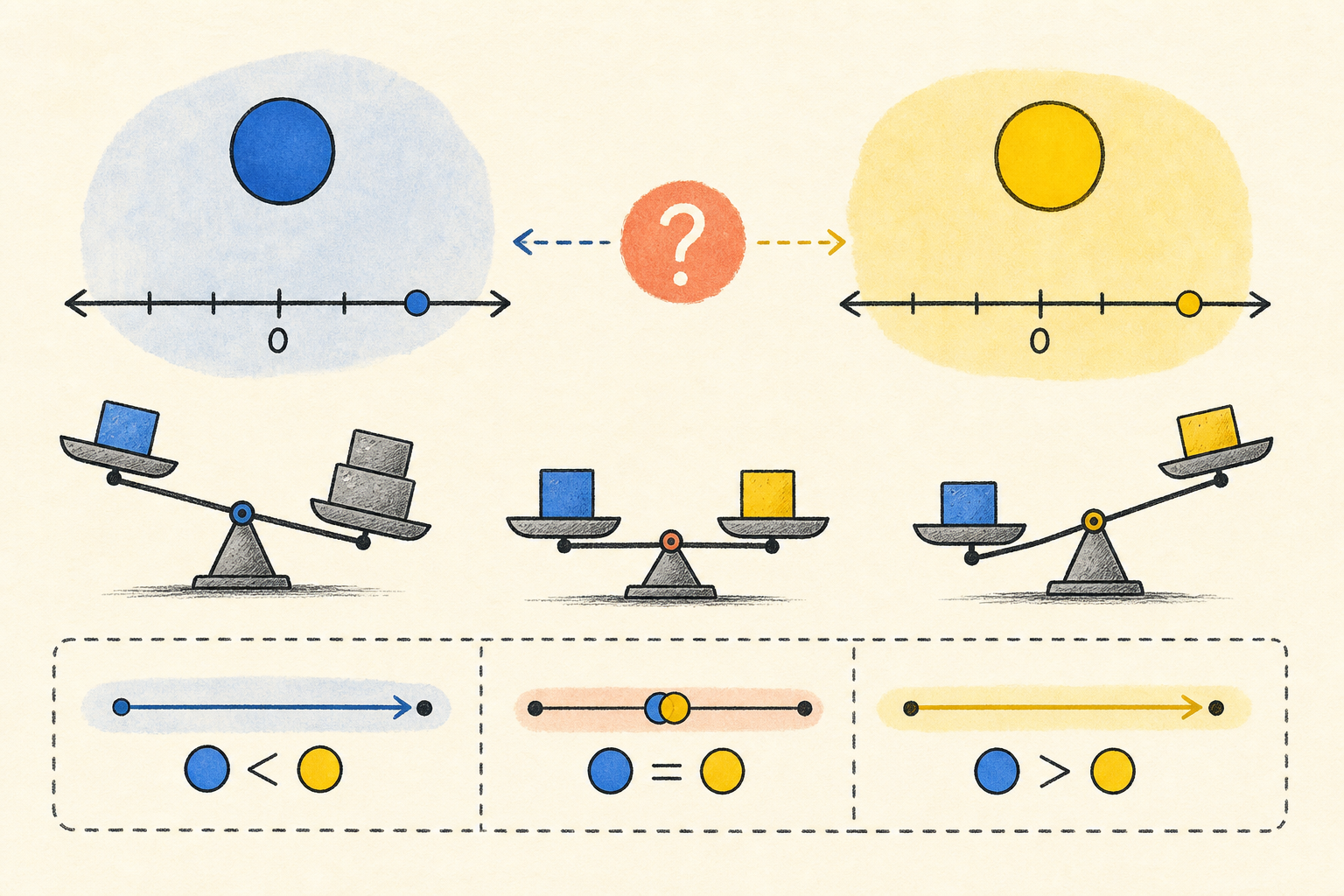
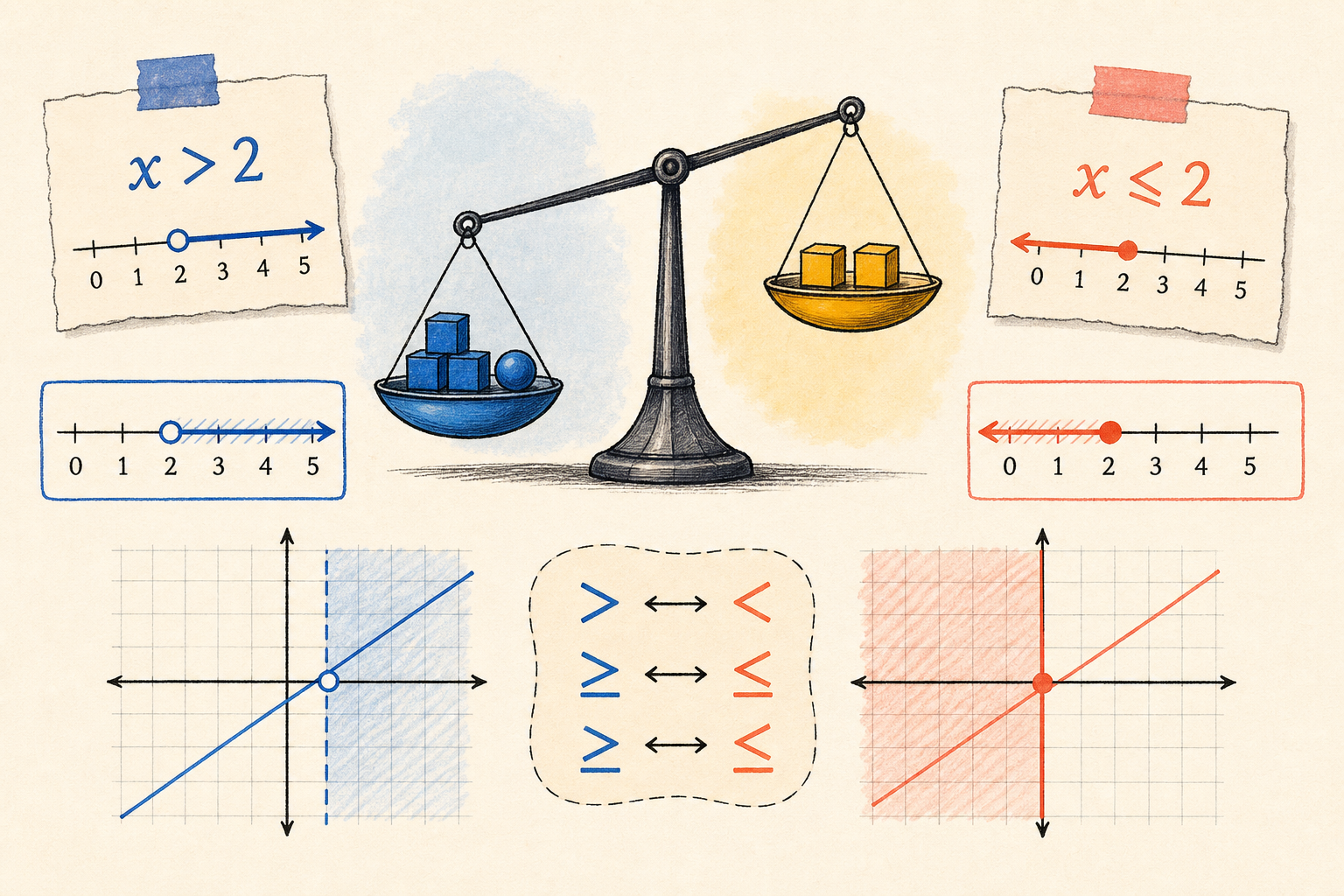
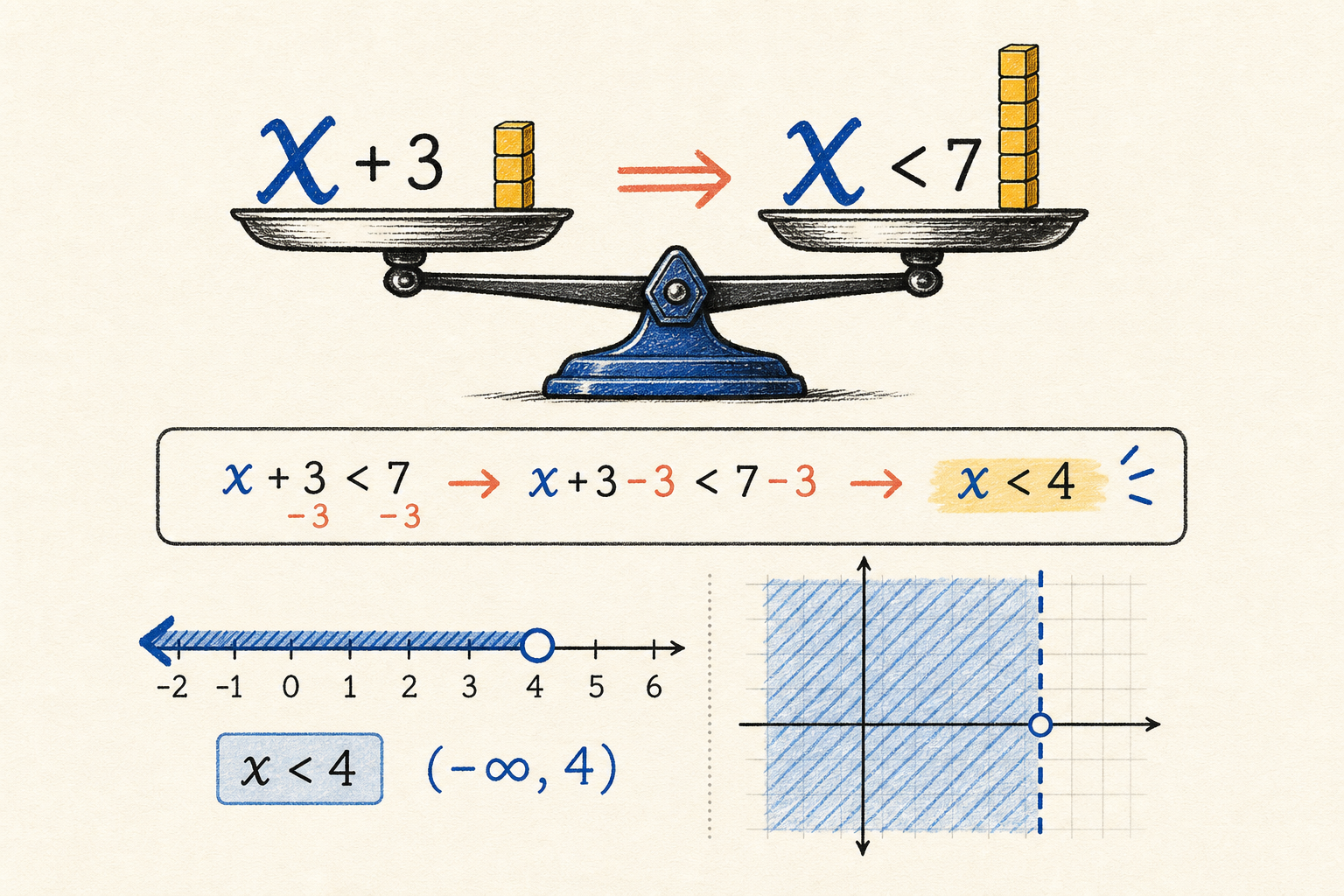
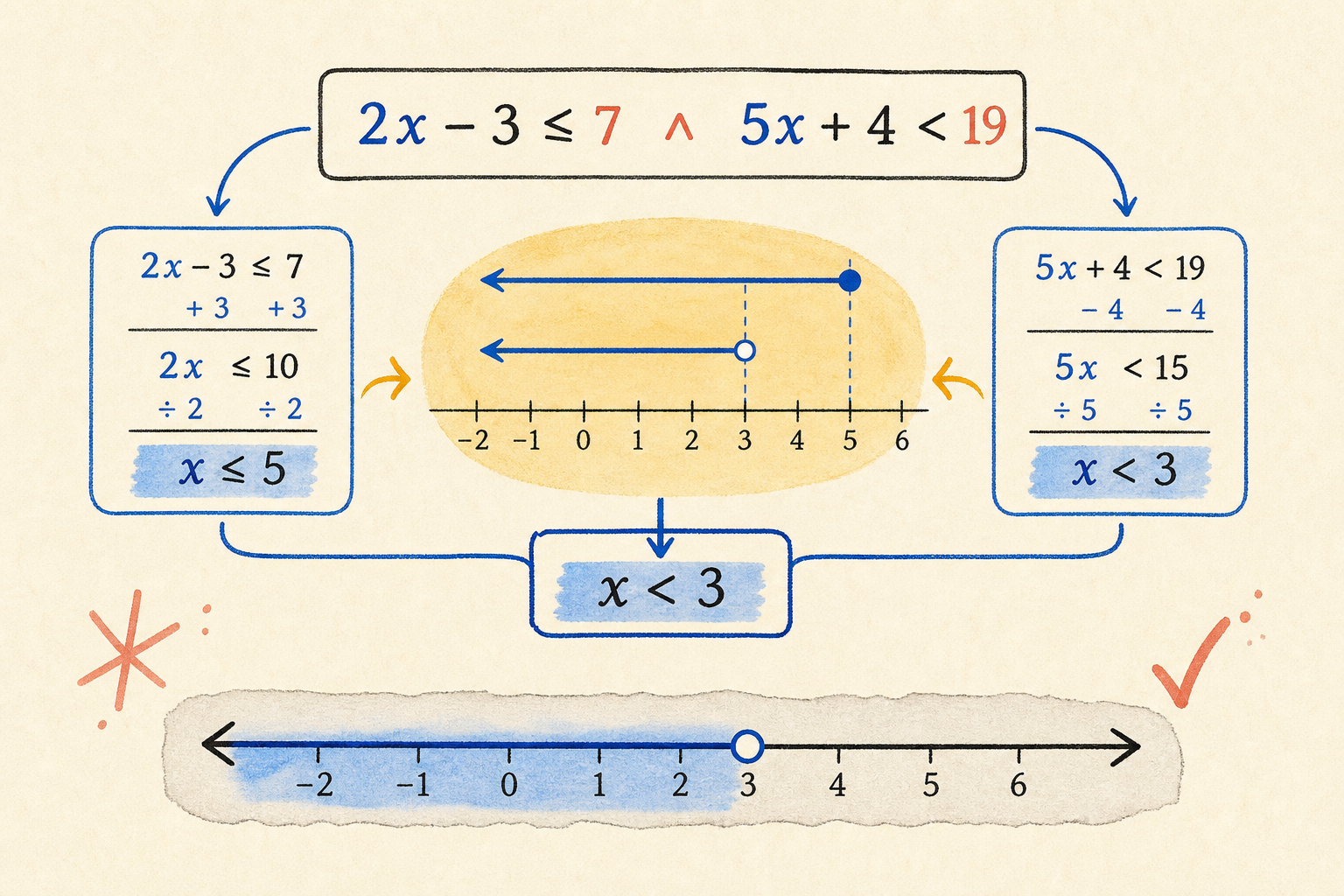
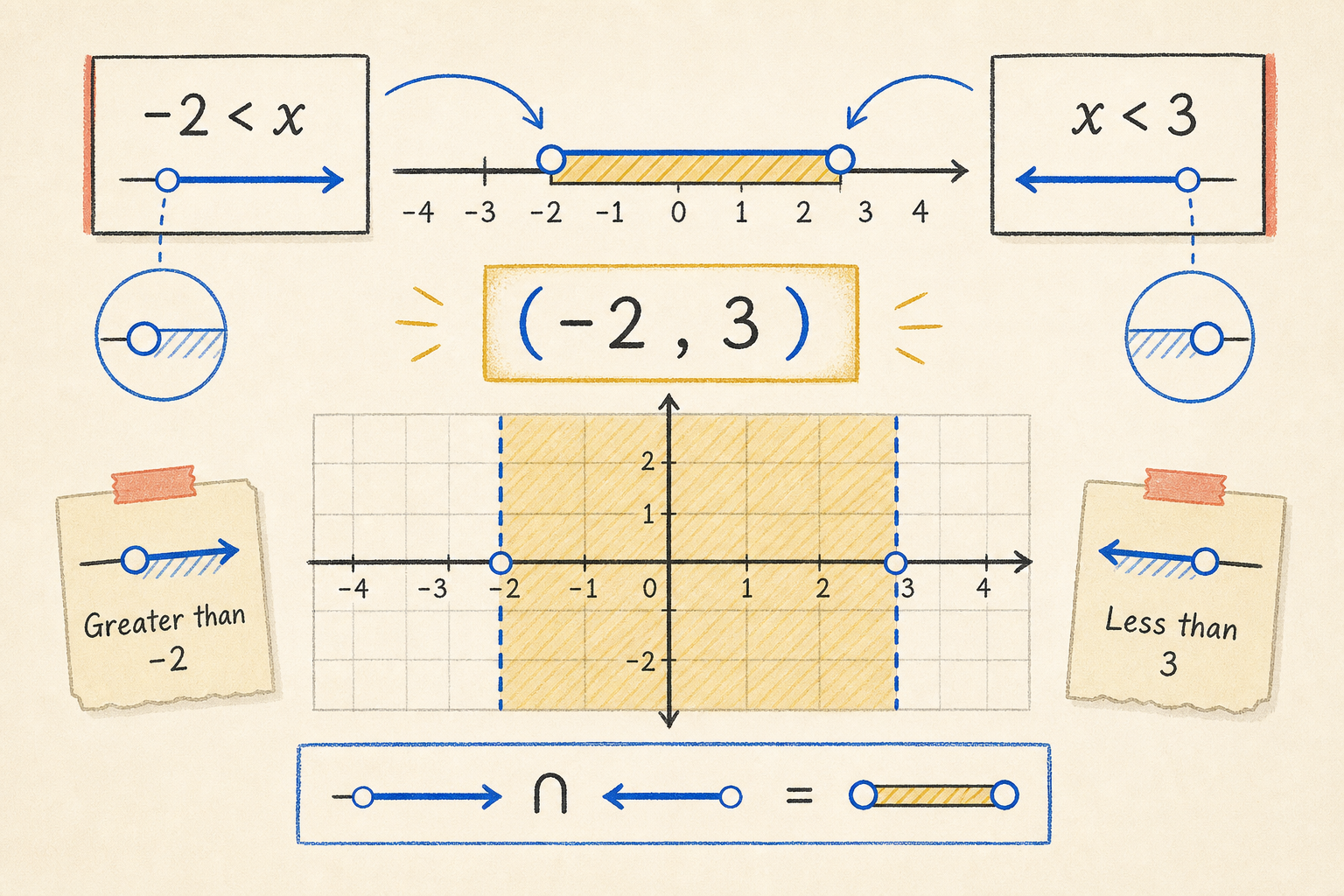
Inequalities help us compare numbers and describe all the values that make a statement true—not just a single answer. In this unit, you will learn how to read, solve, and graph inequalities so you can understand real-world situations like budgets, limits, and conditions. Once you understand how inequalities work, you will be able to solve problems with multiple steps and represent entire ranges of solutions with confidence.
Unit 8 - Rules of Exponents
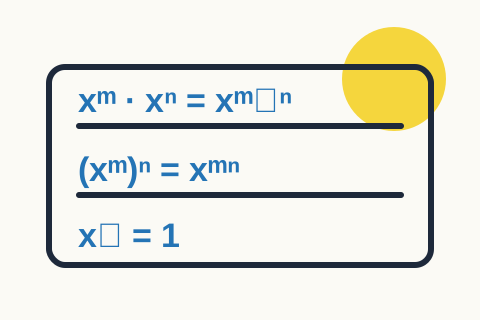
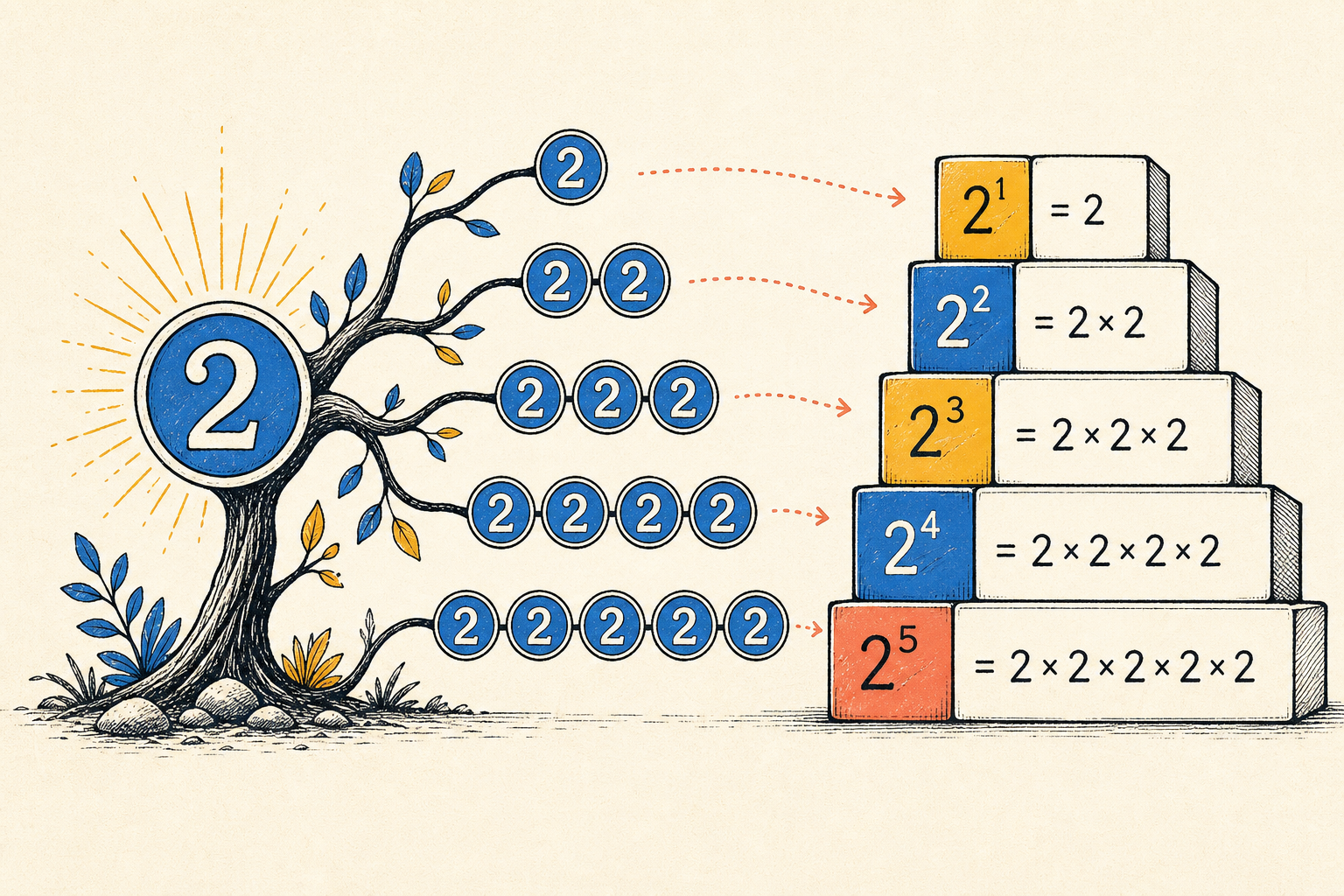
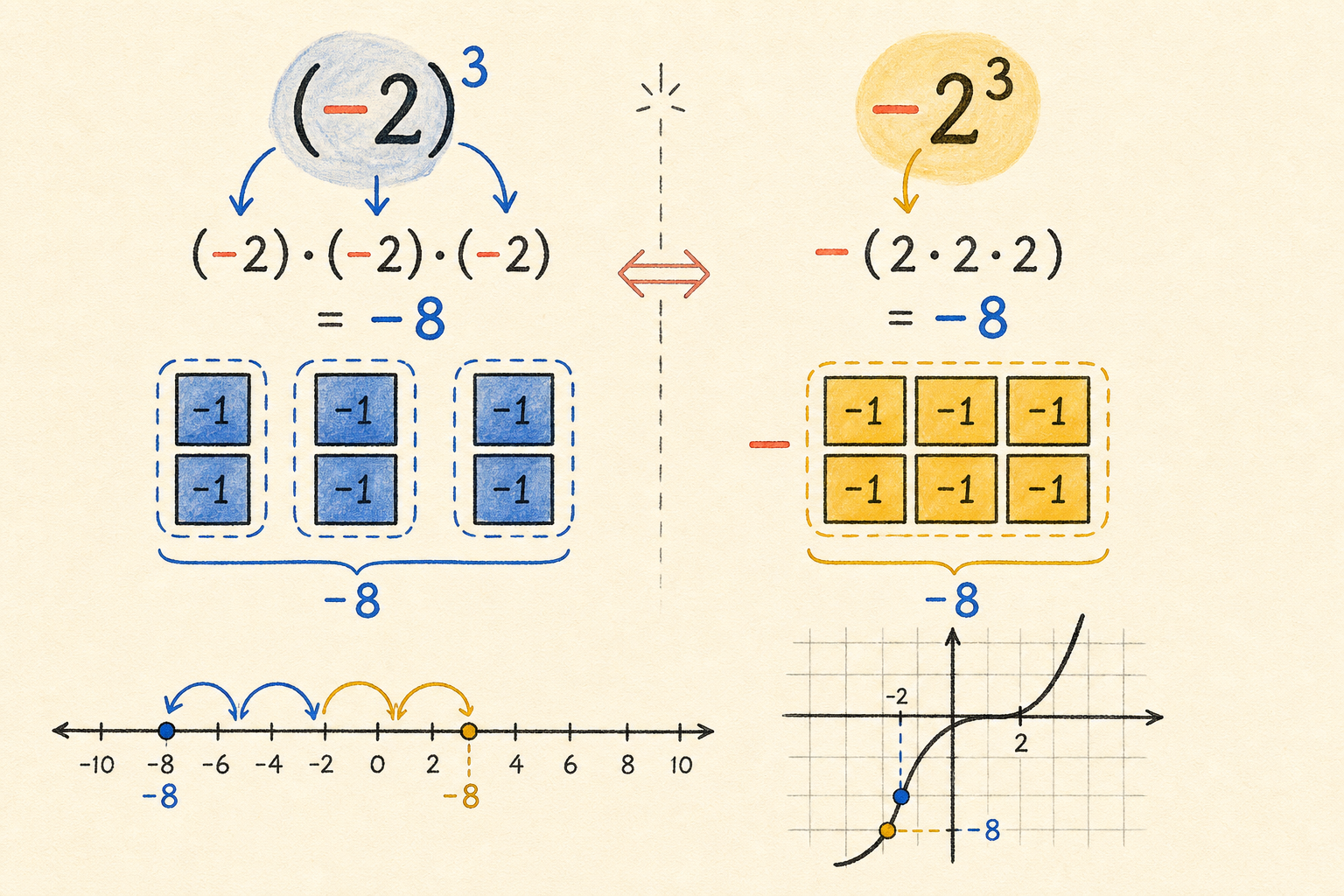
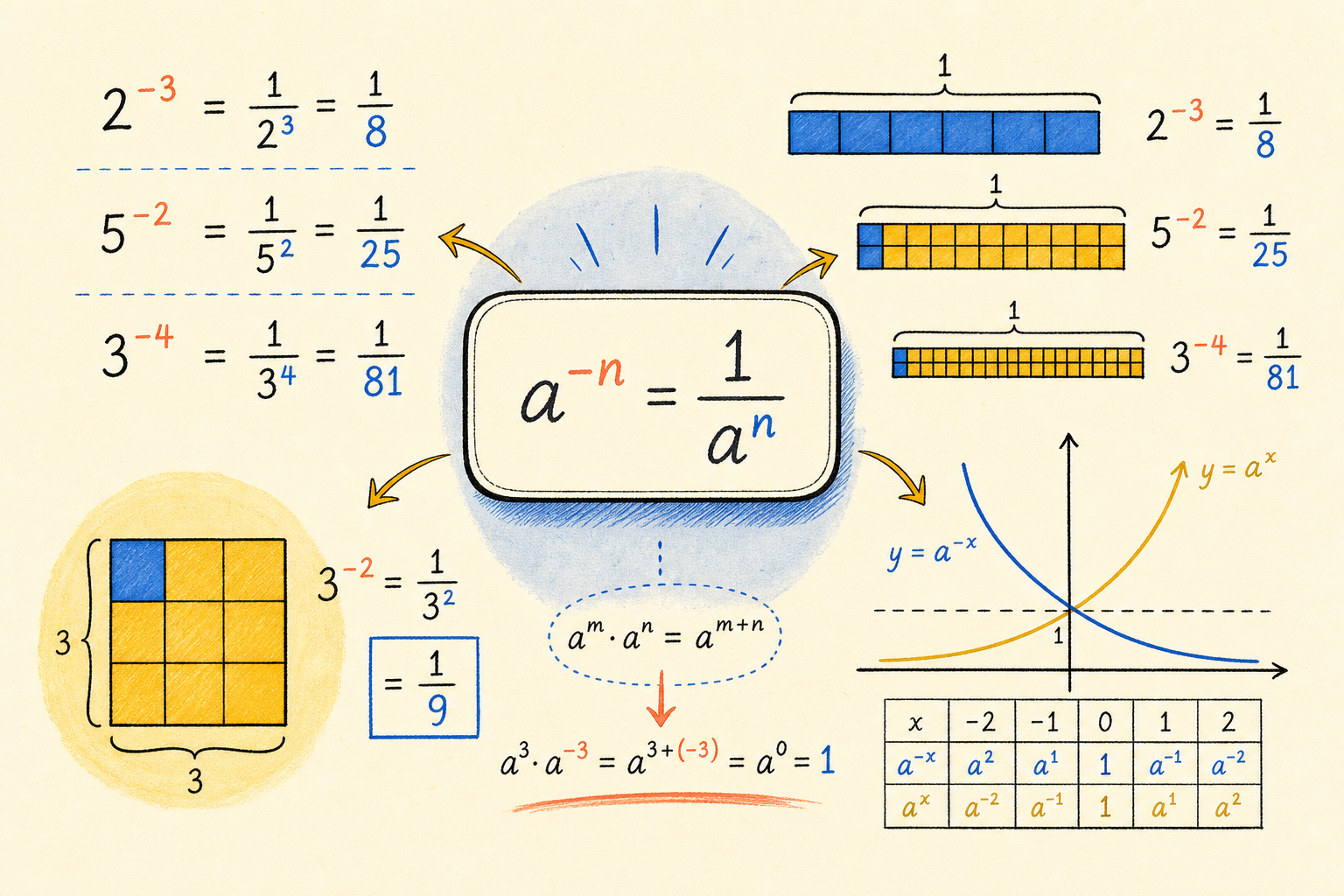
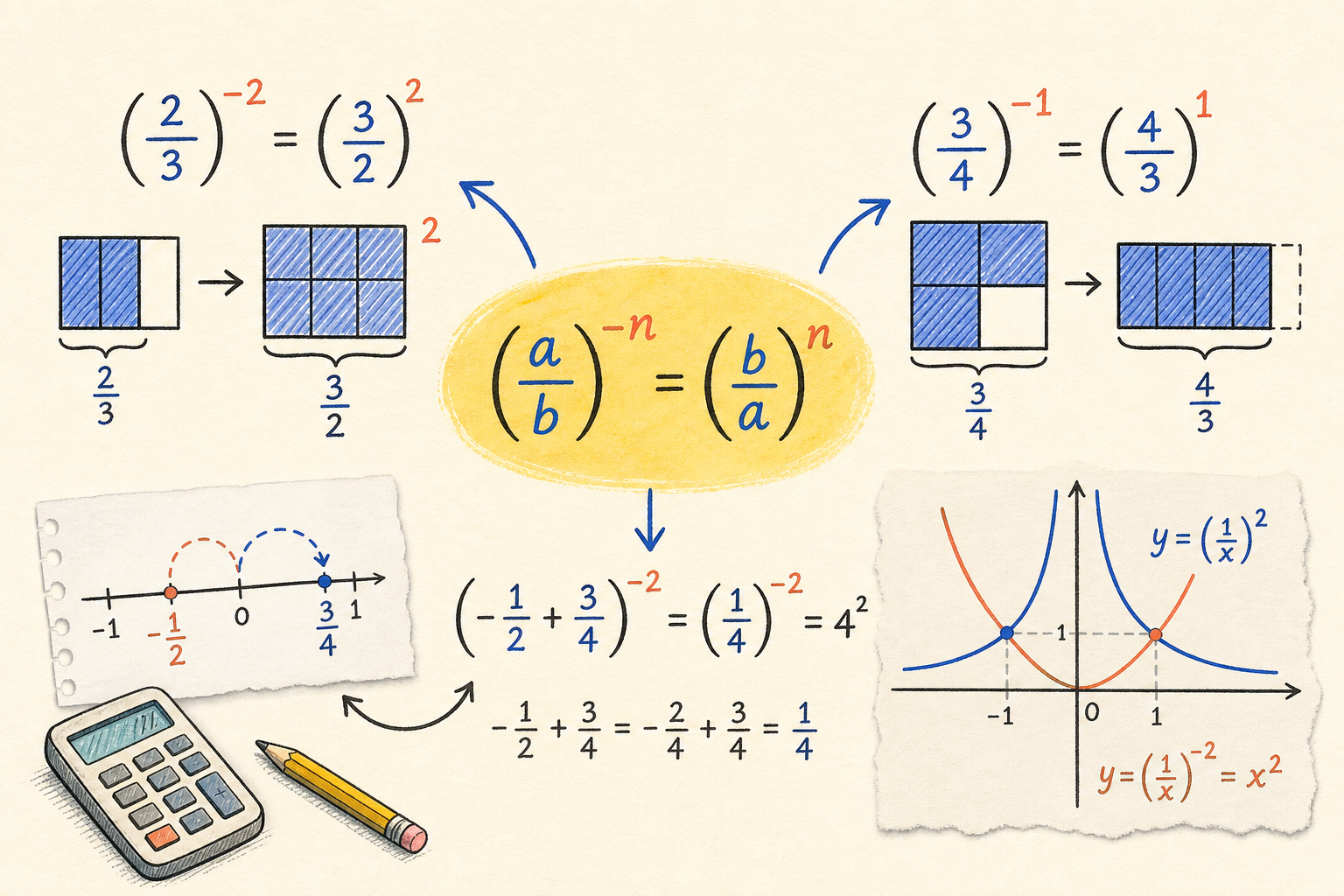
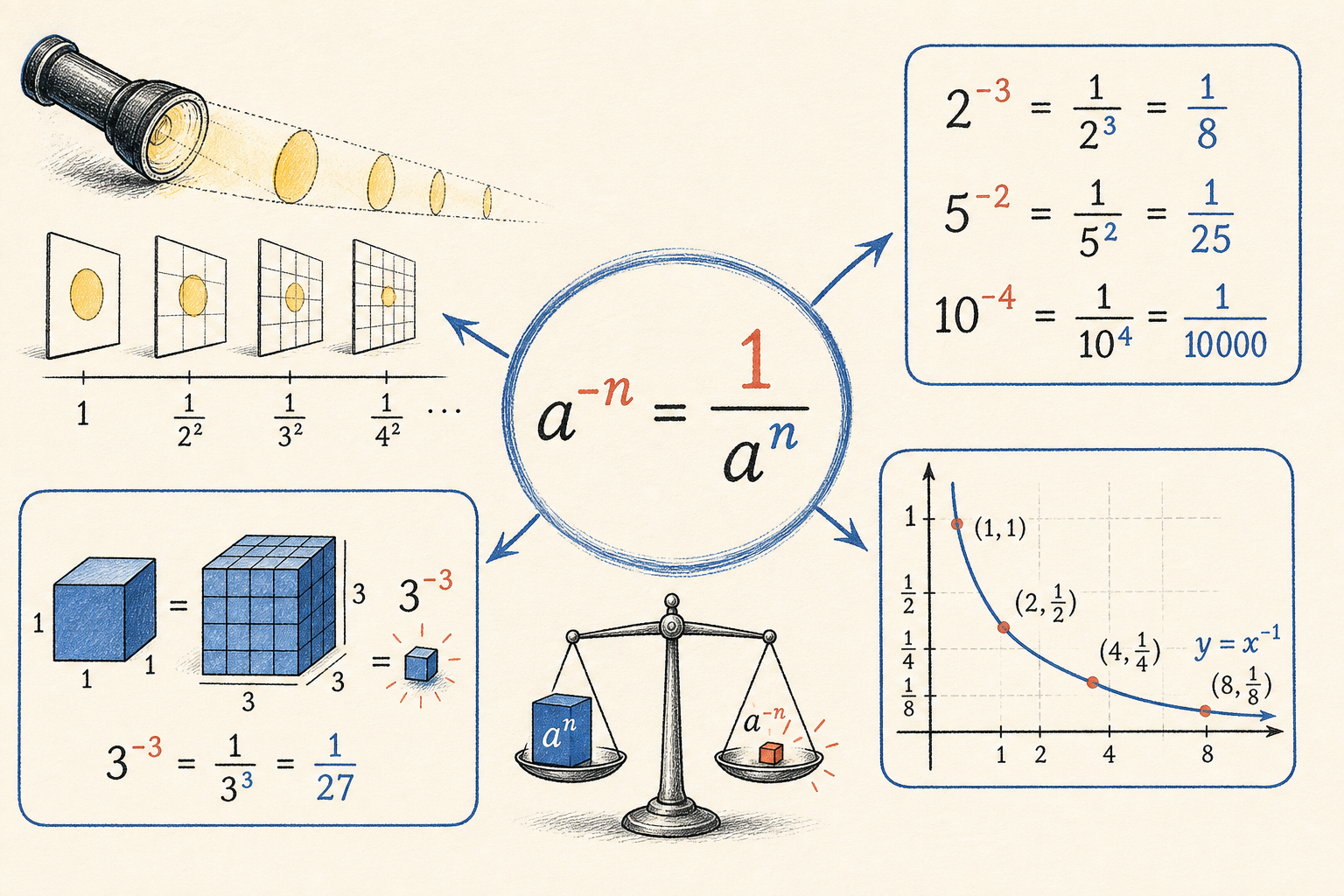
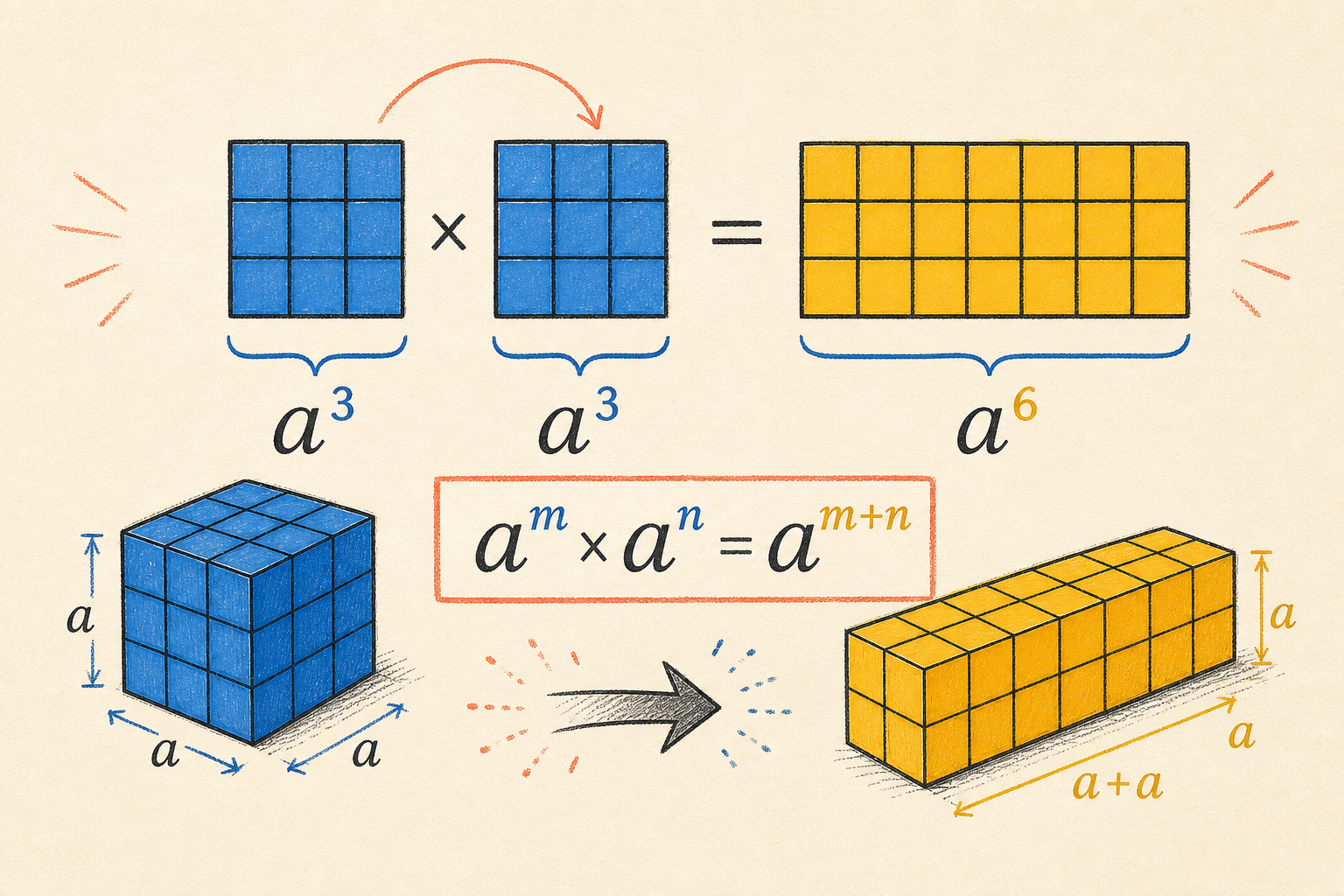
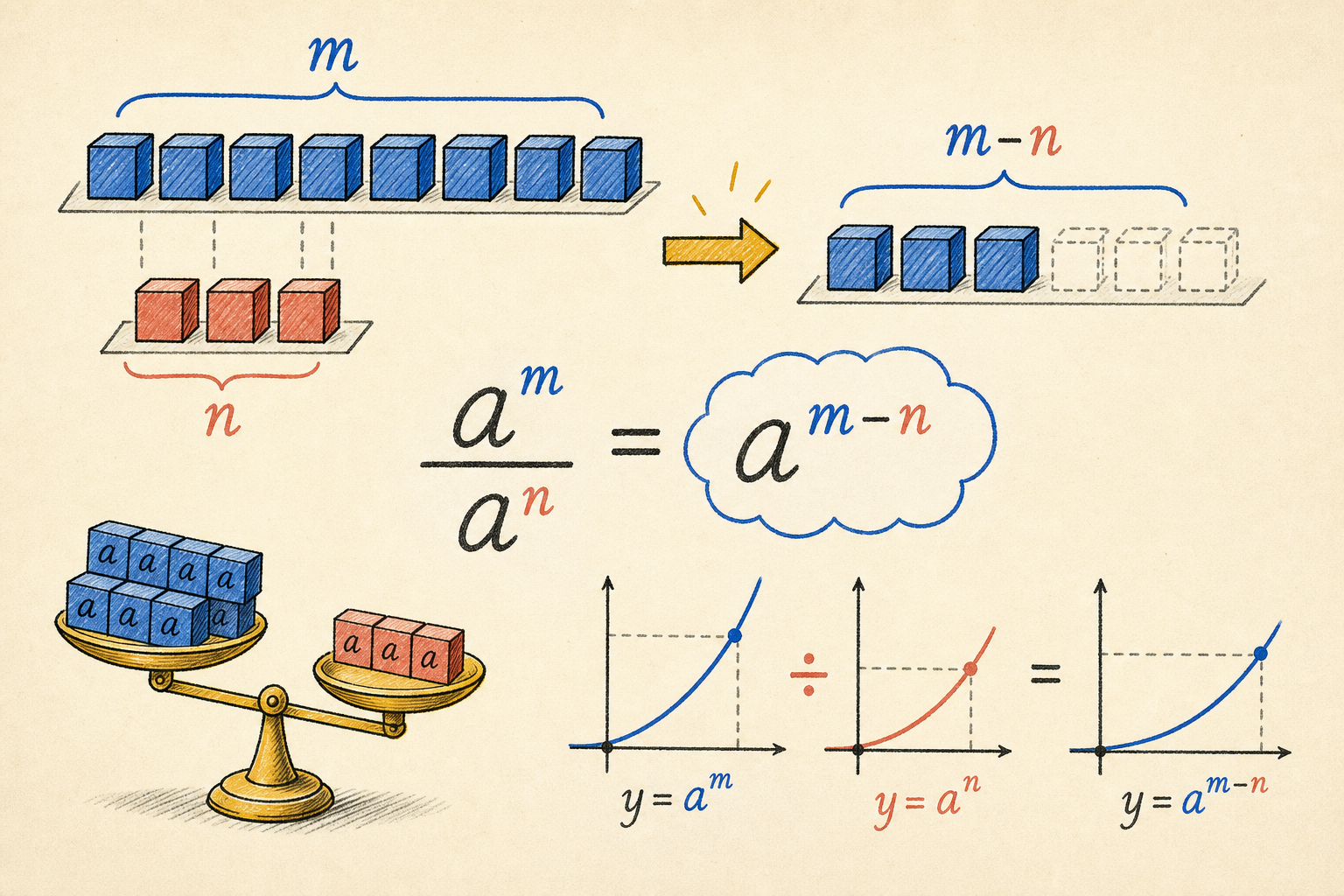
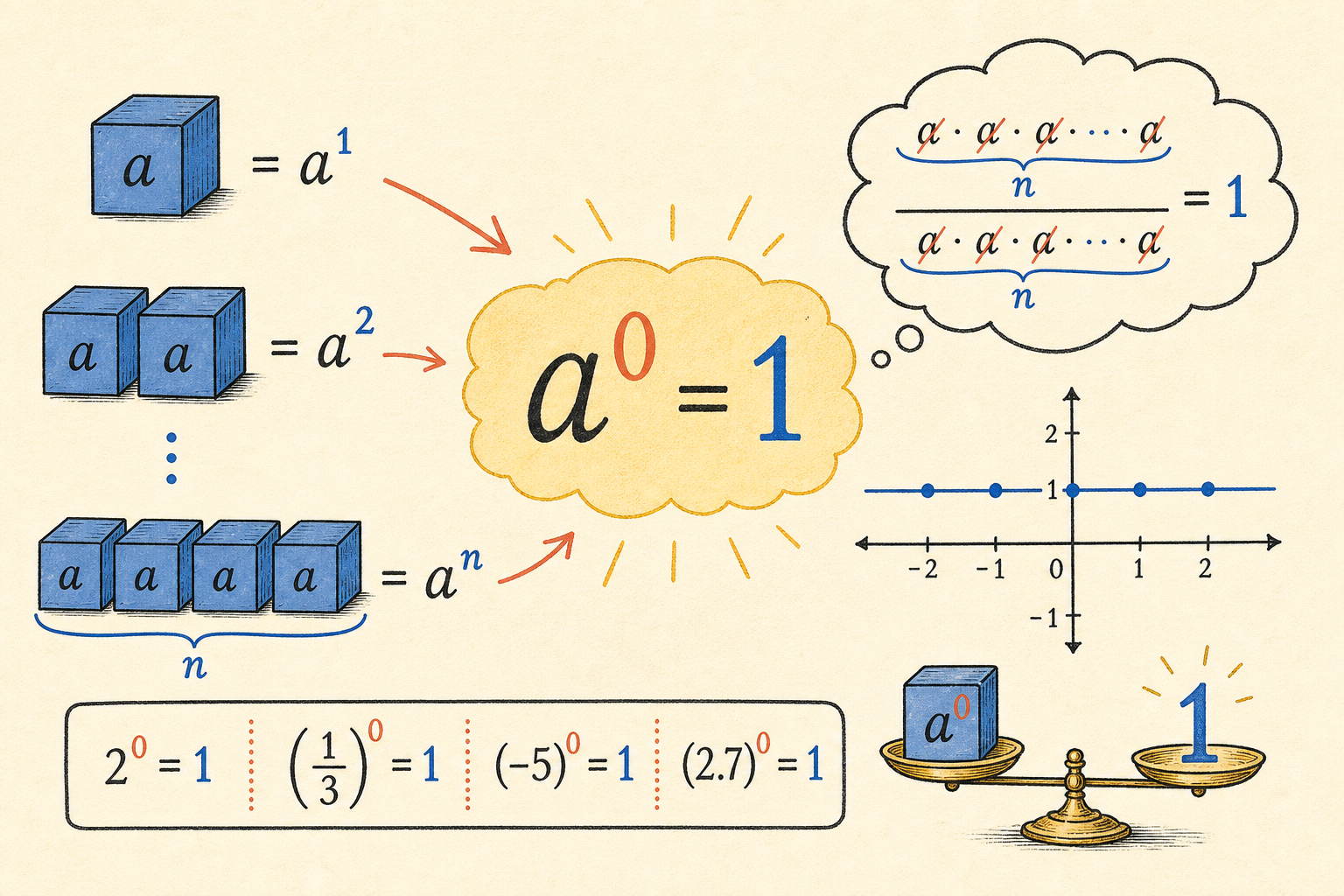
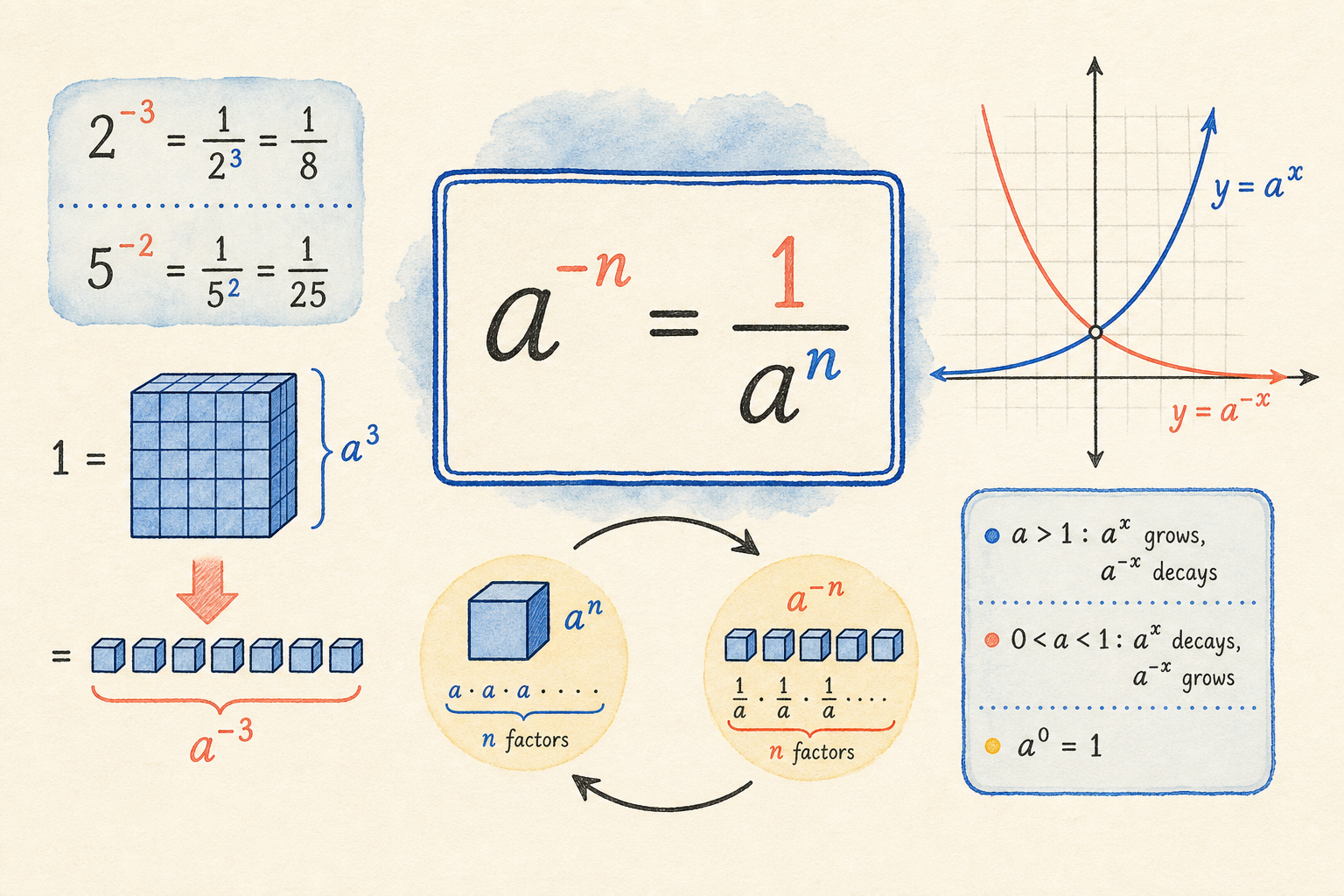
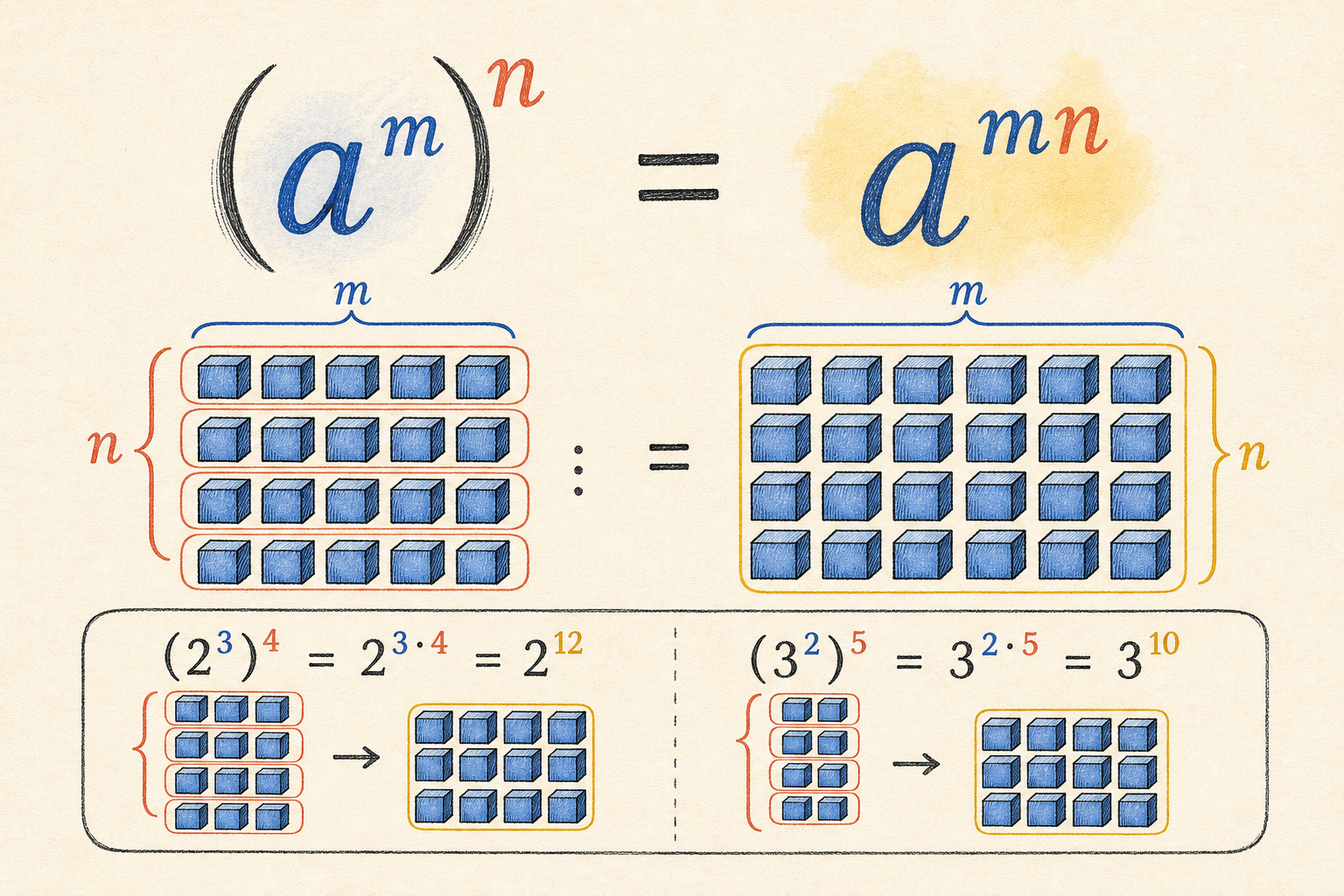
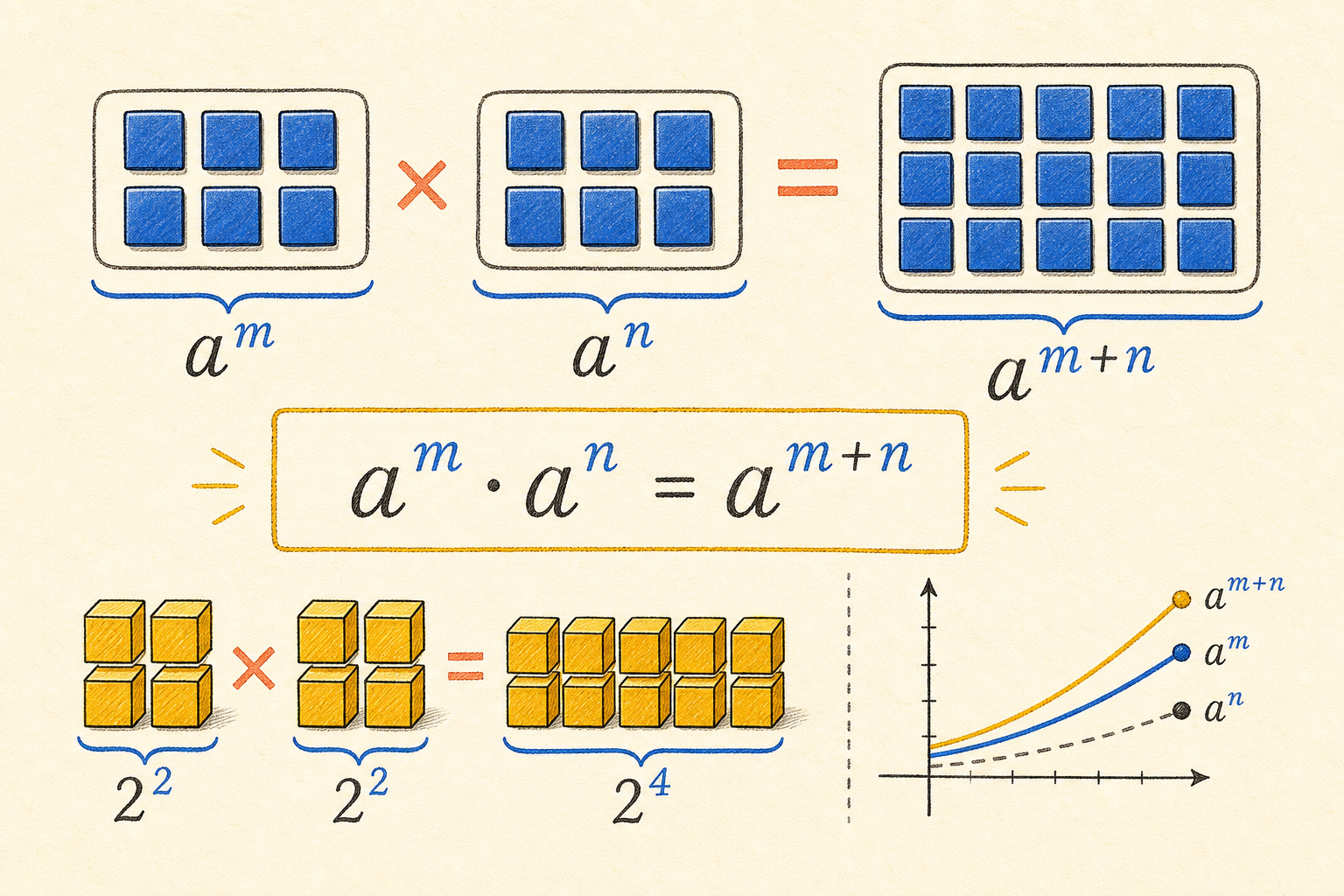
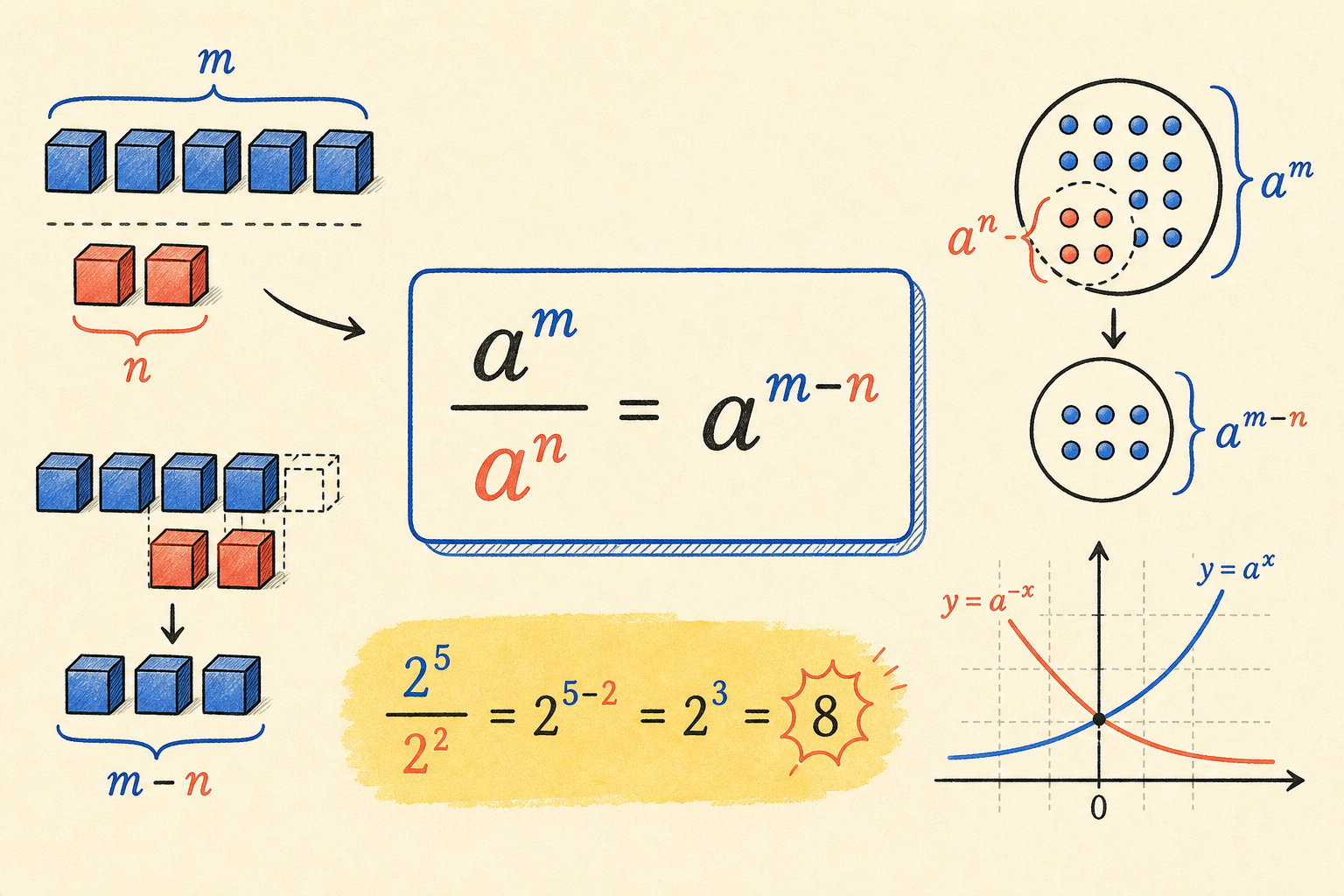
Exponents help us write large and small numbers in a quick and powerful way, but they also follow special rules that make them easier to work with. These rules—called the Laws of Exponents—tell us how exponents behave when we multiply, divide, or raise powers to other powers. Once you understand these laws, you can simplify expressions faster, solve equations more easily, and make sense of the patterns behind repeated multiplication.
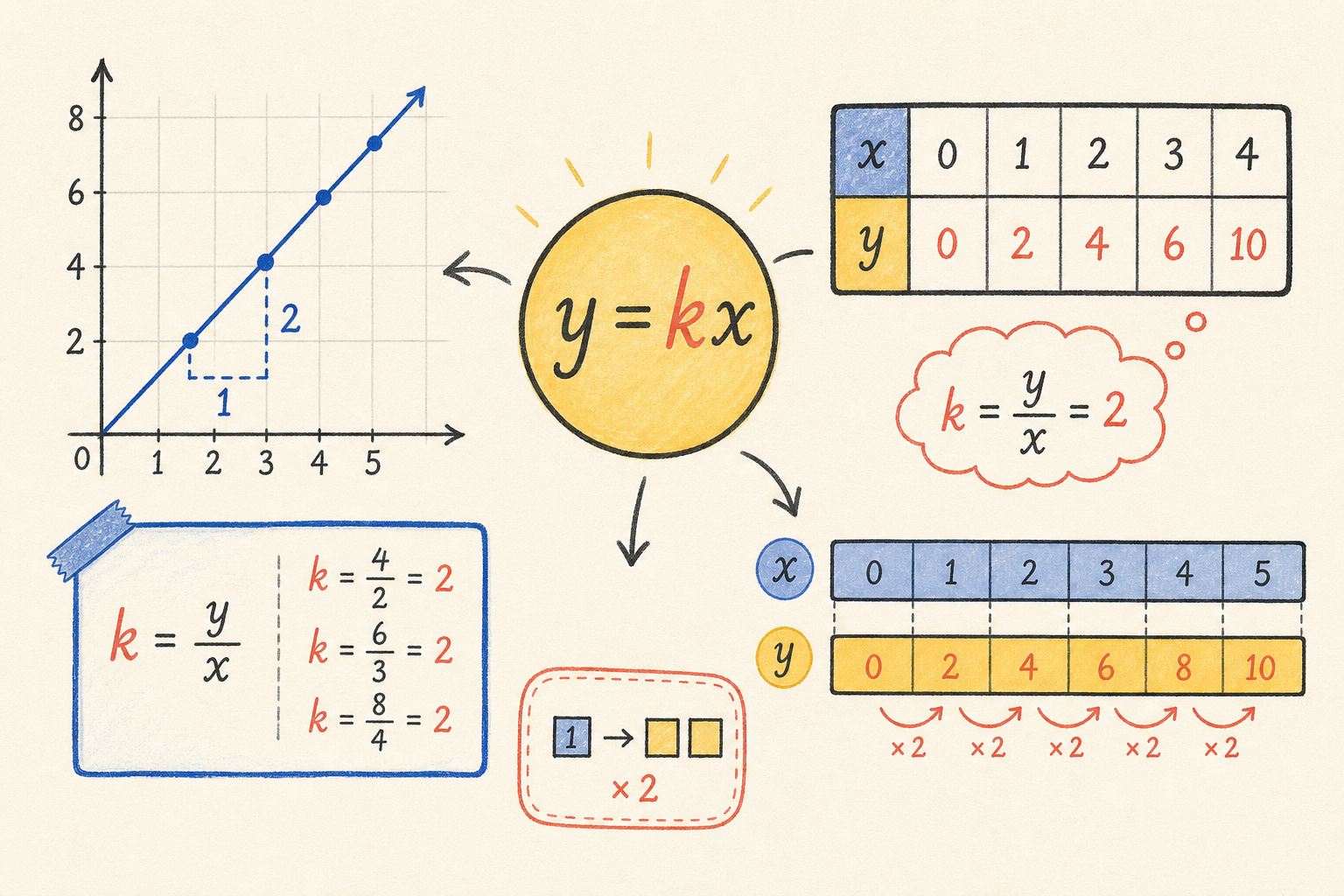
Unit 9 - Introduction to Functions
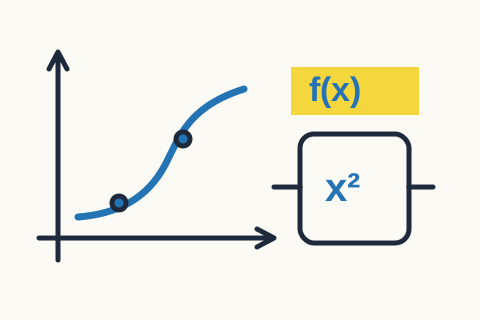
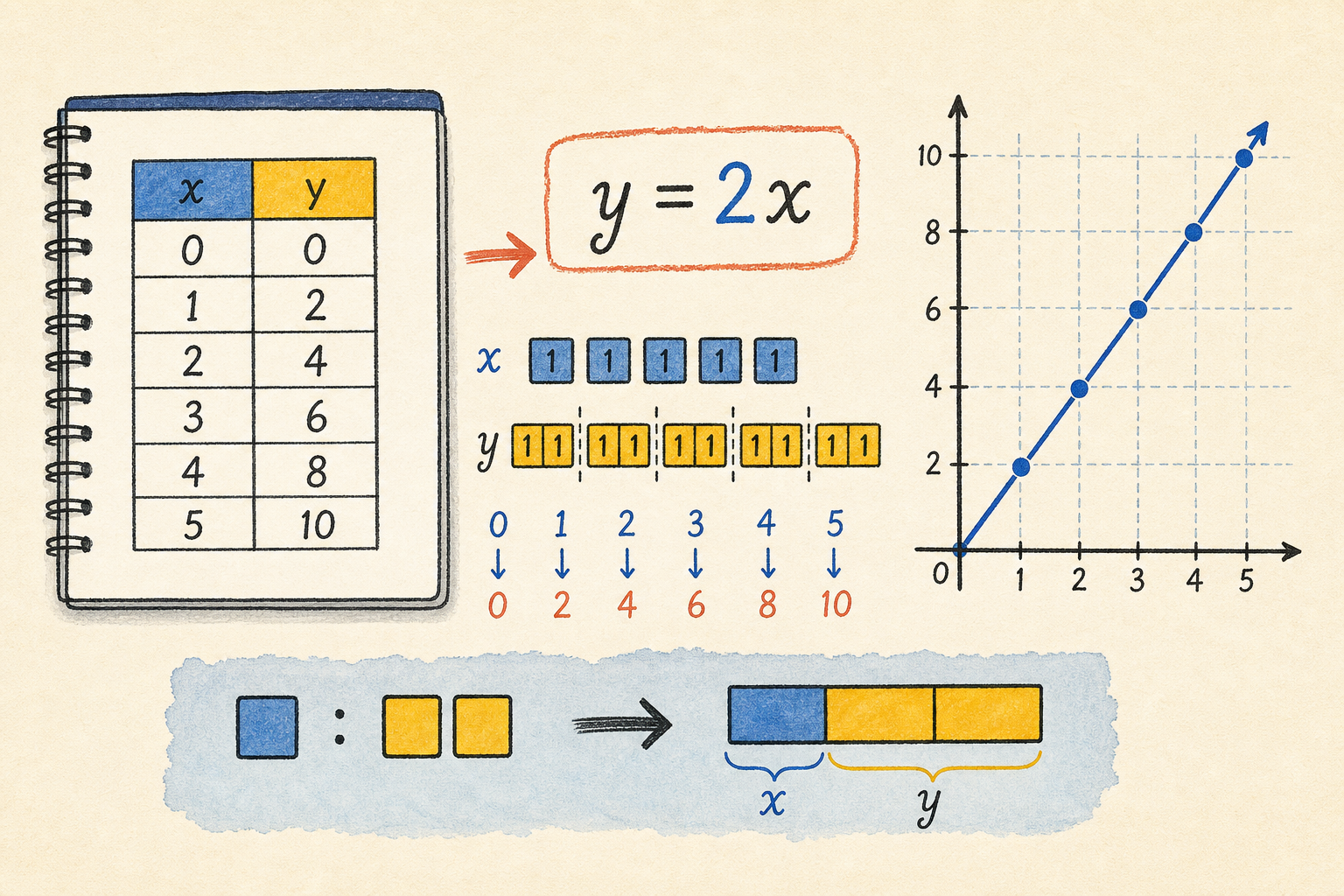
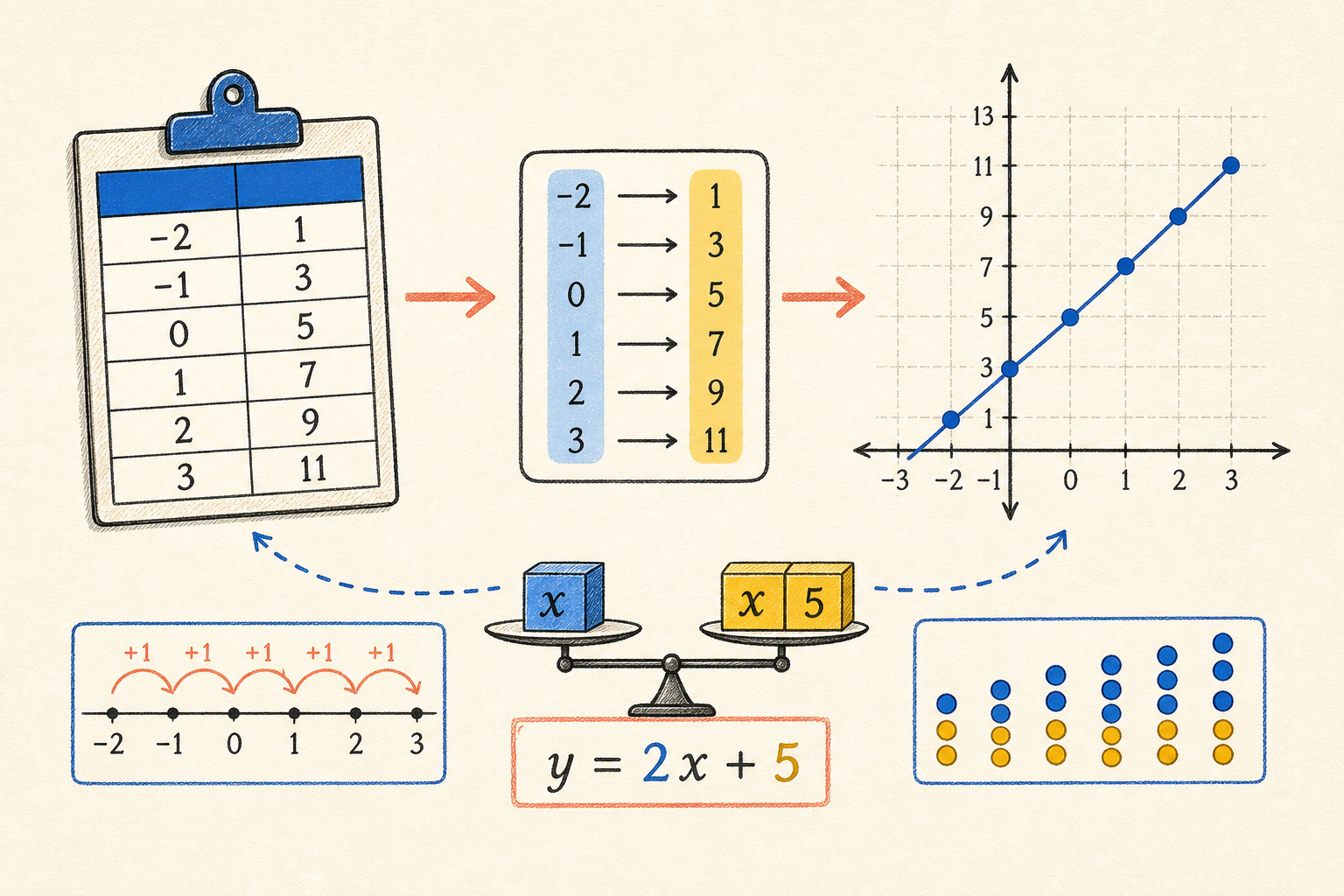
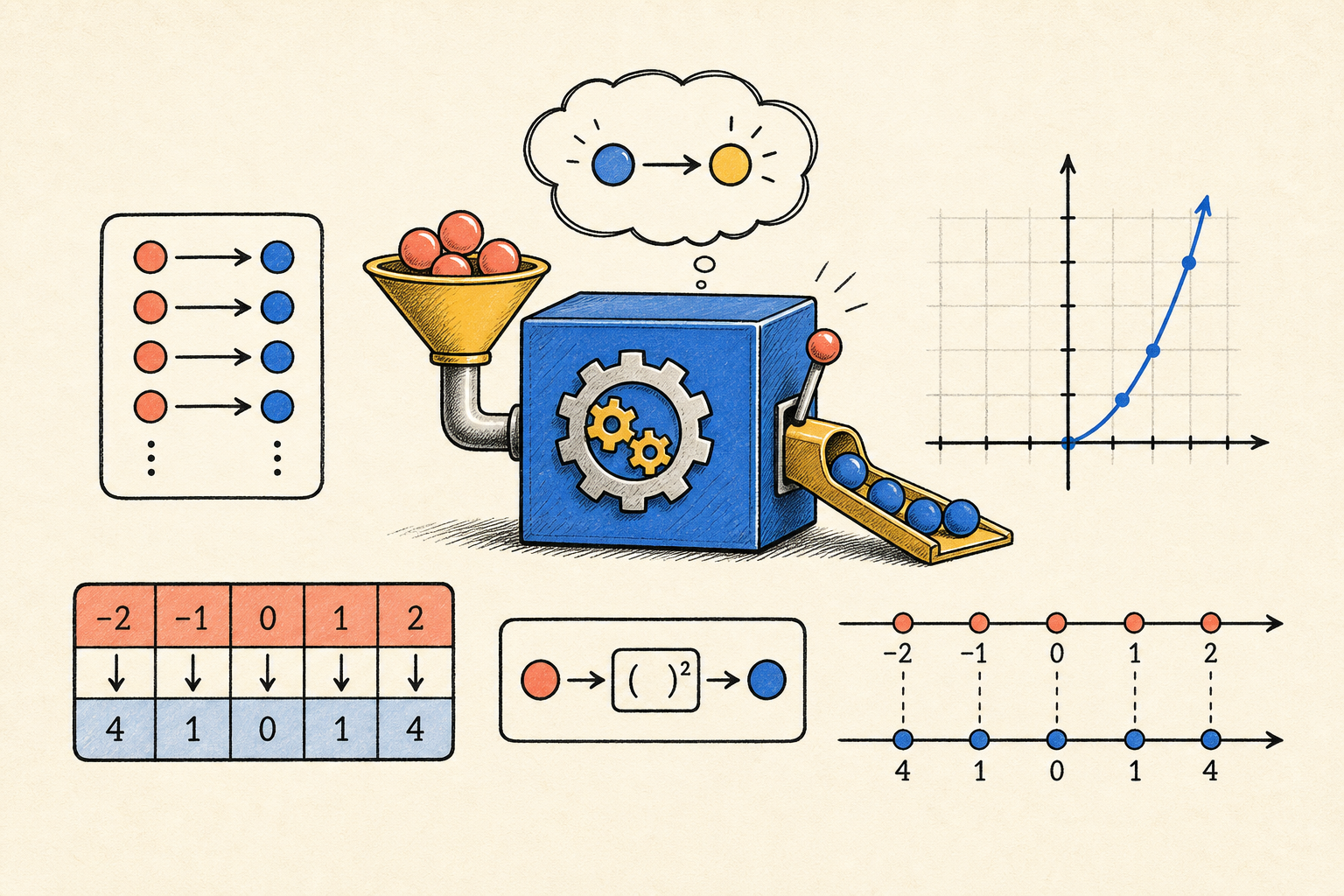
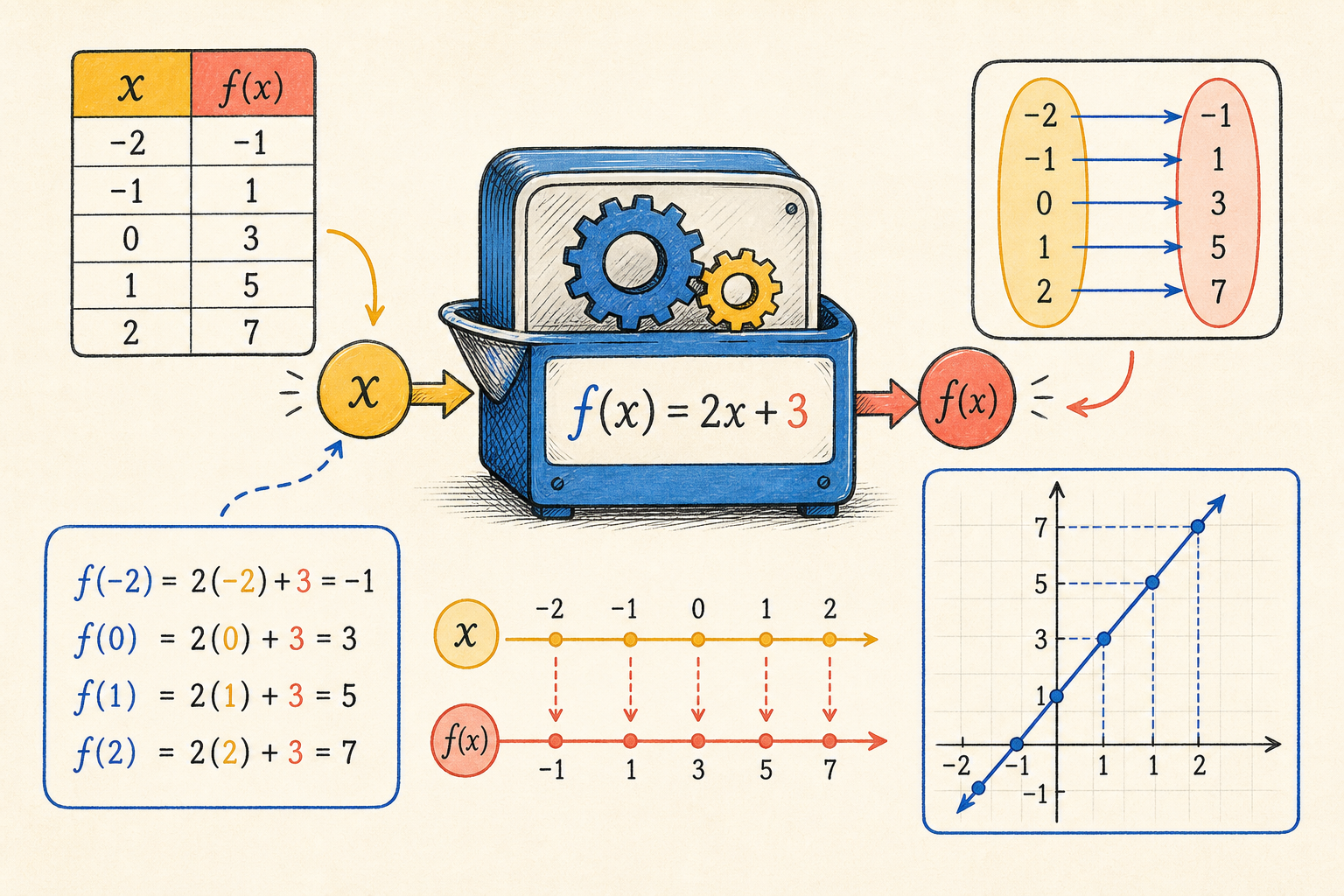
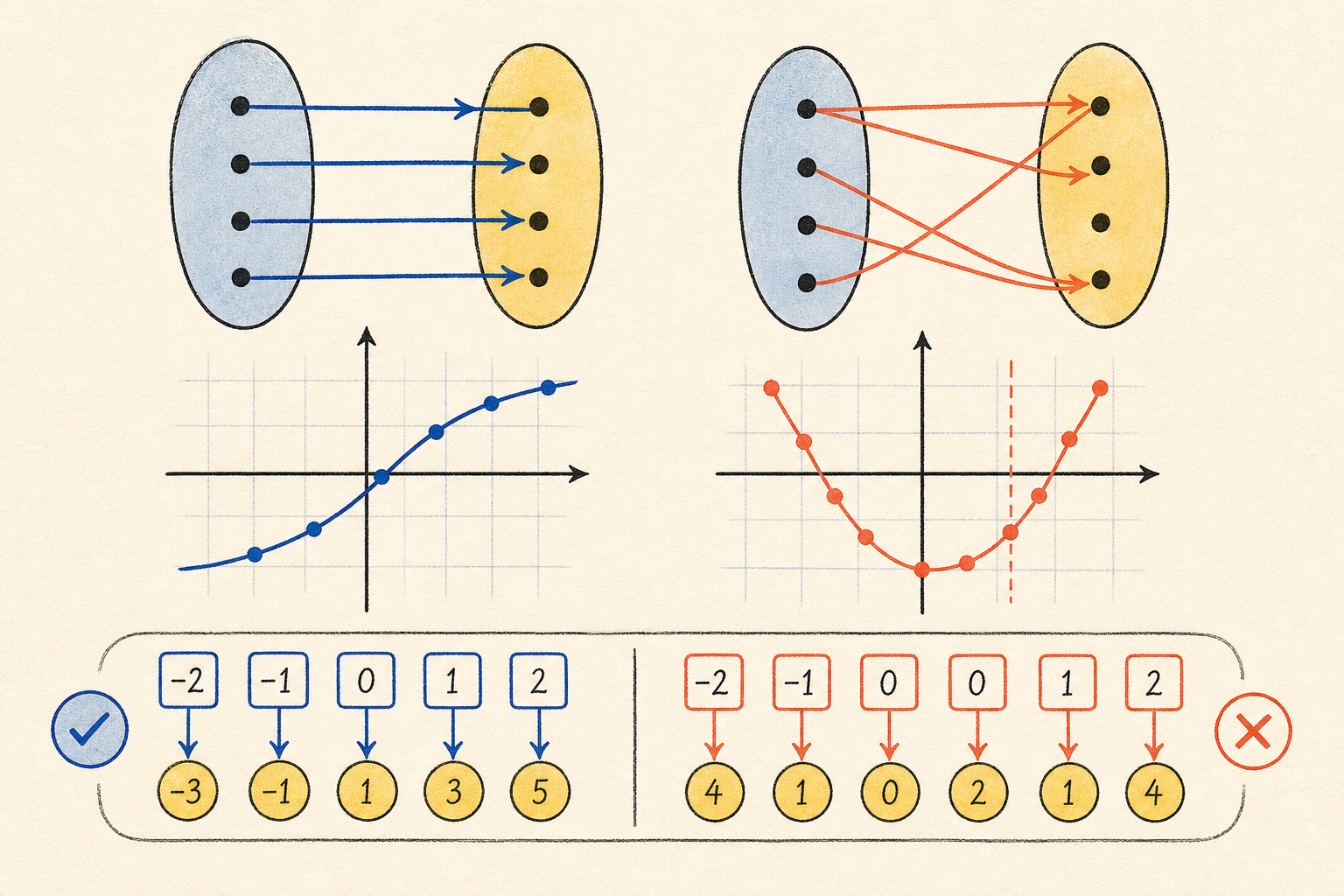
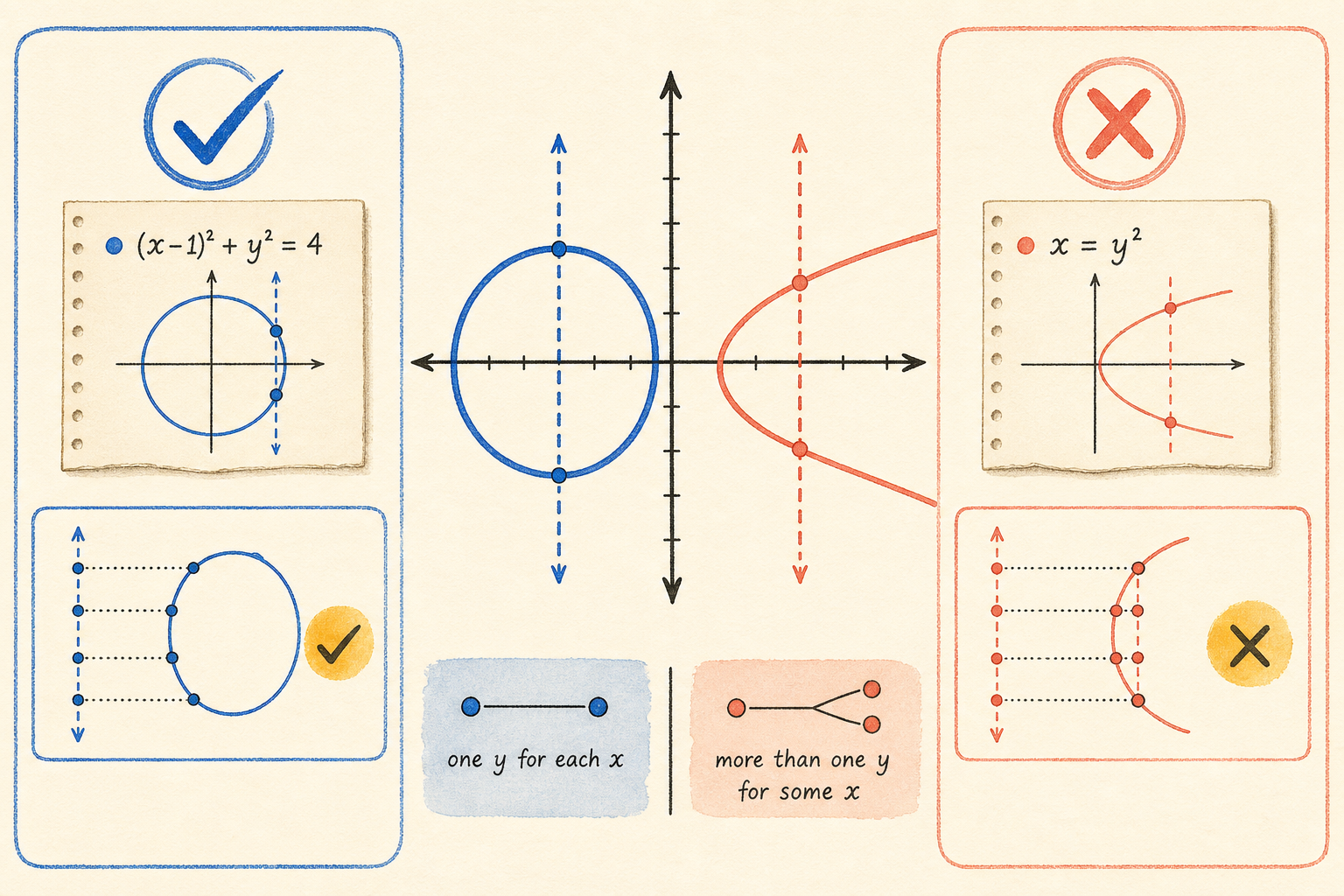
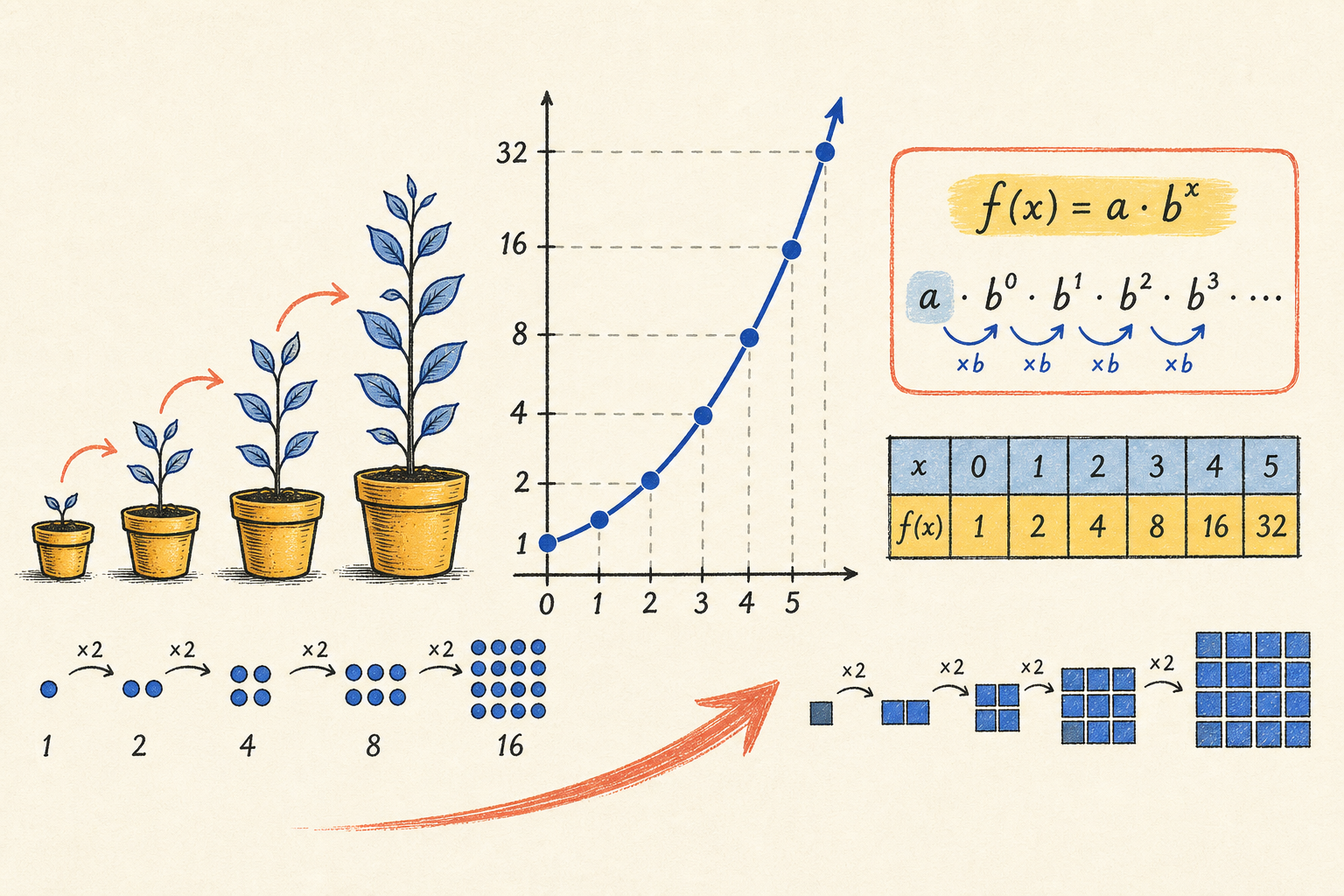
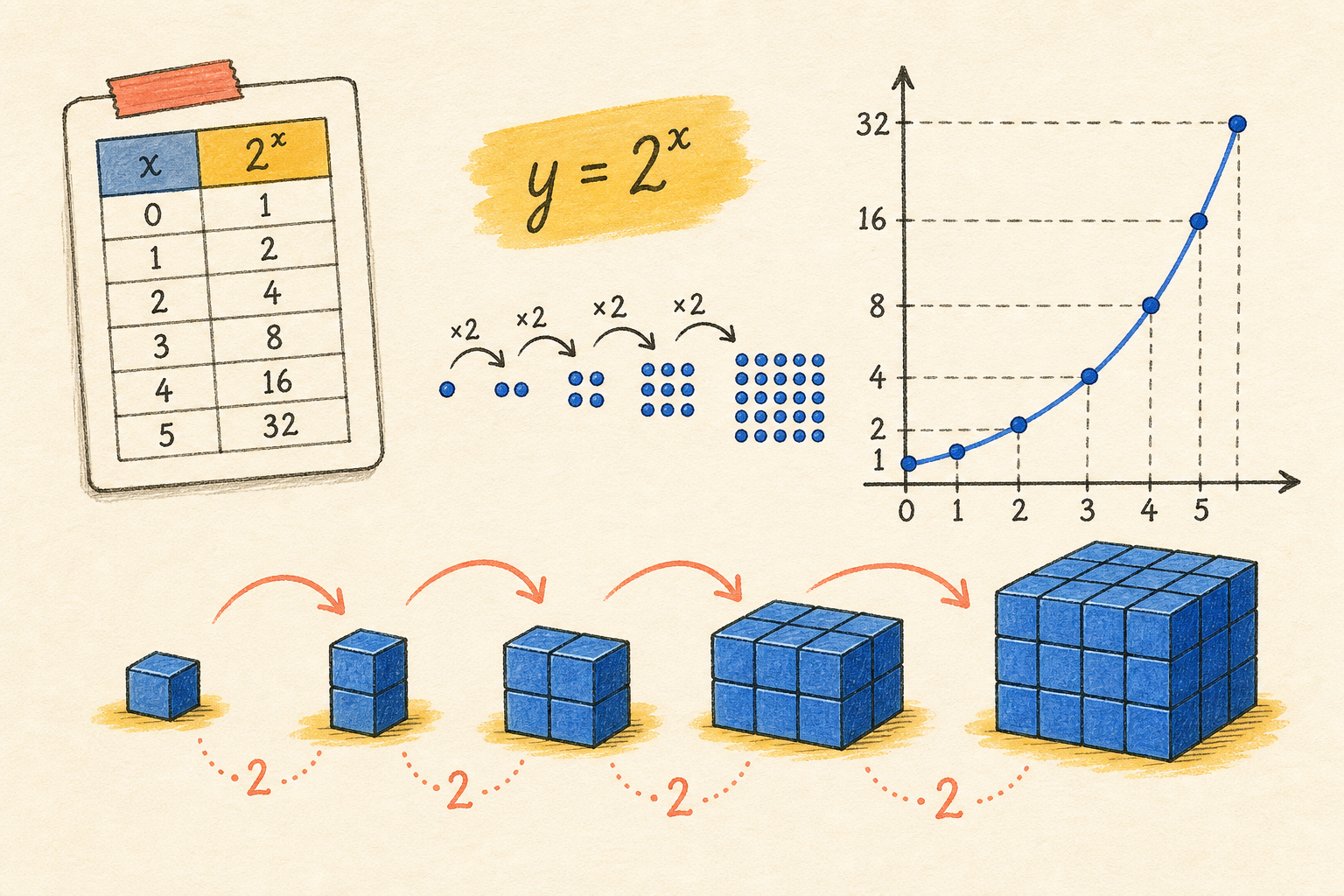
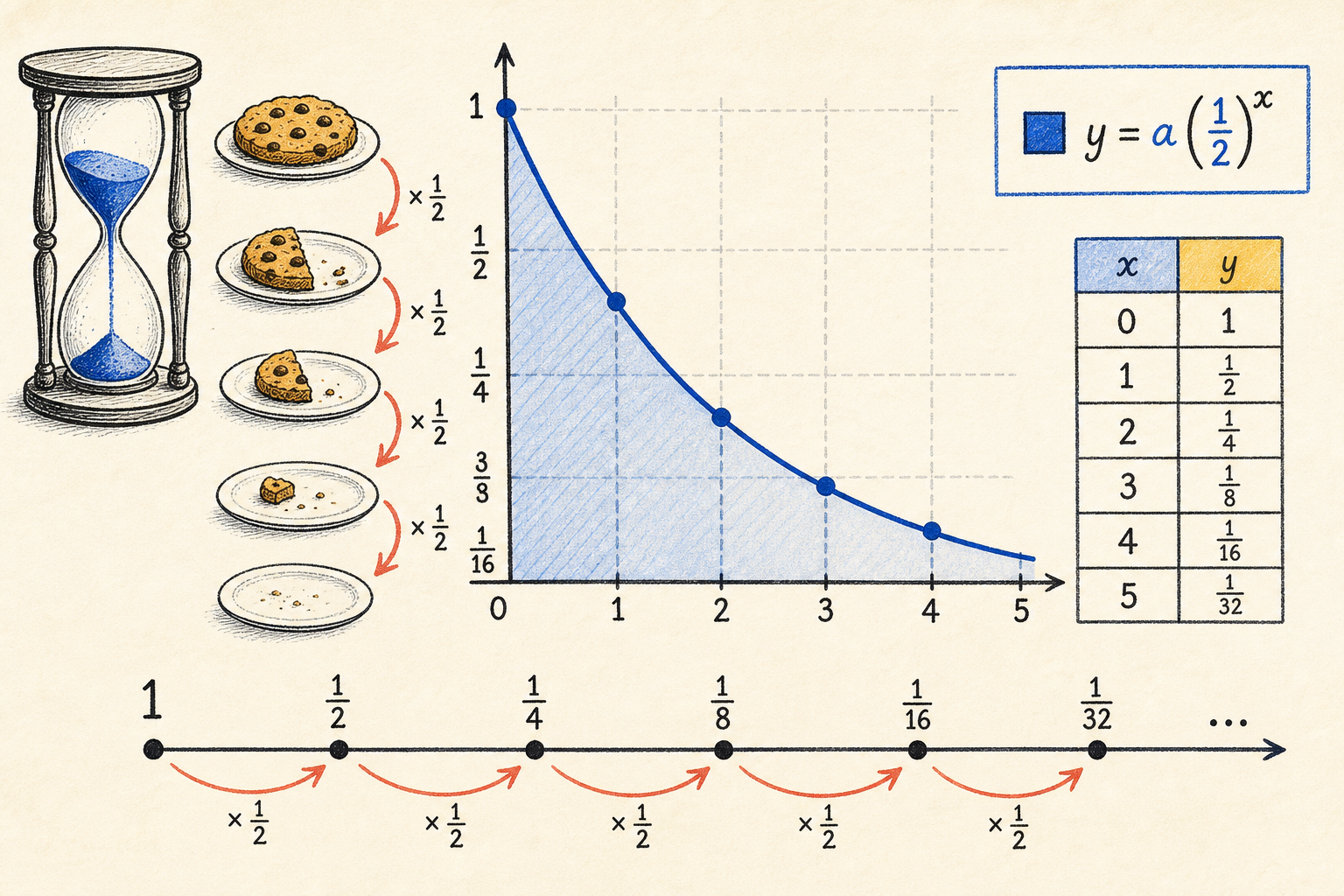
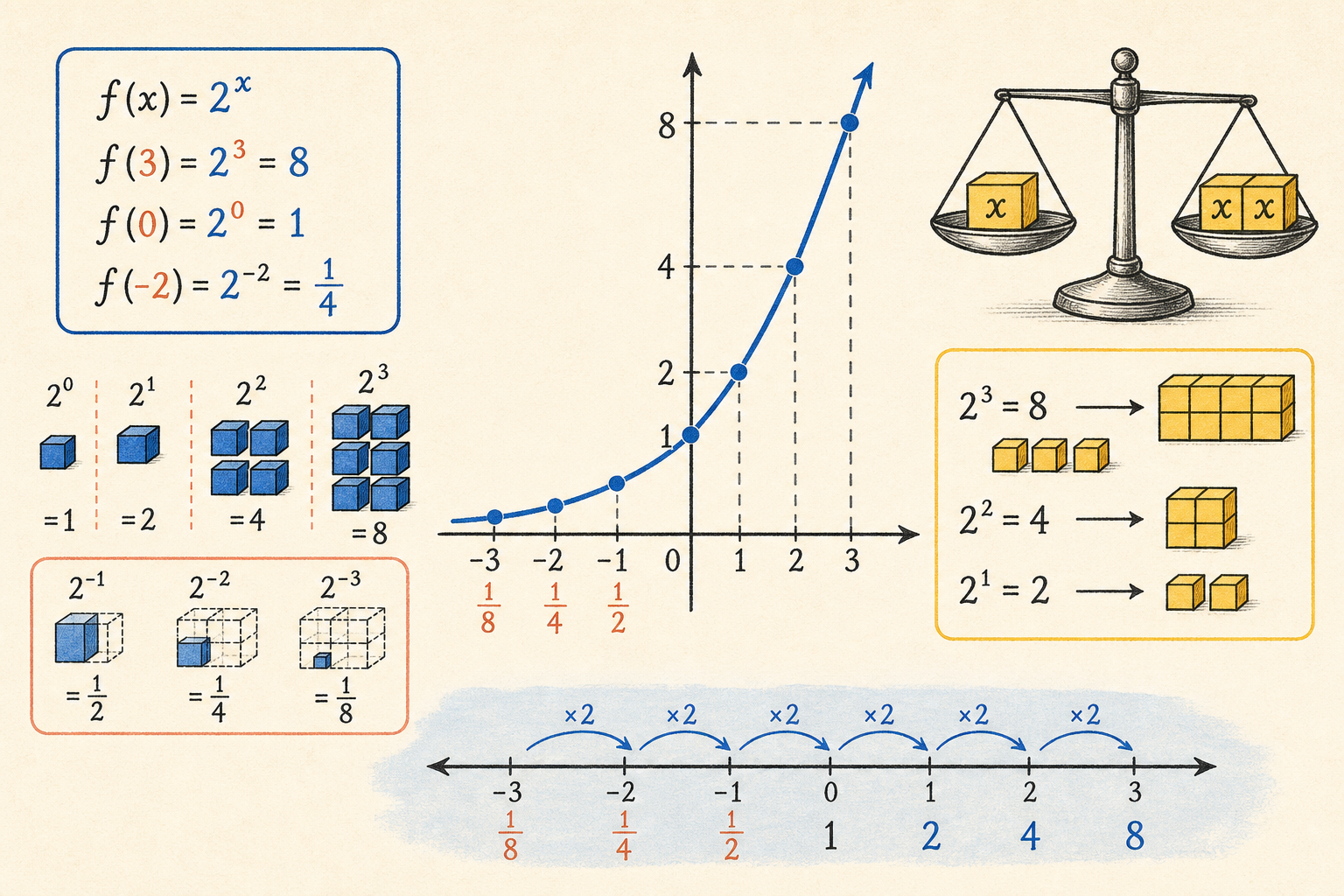
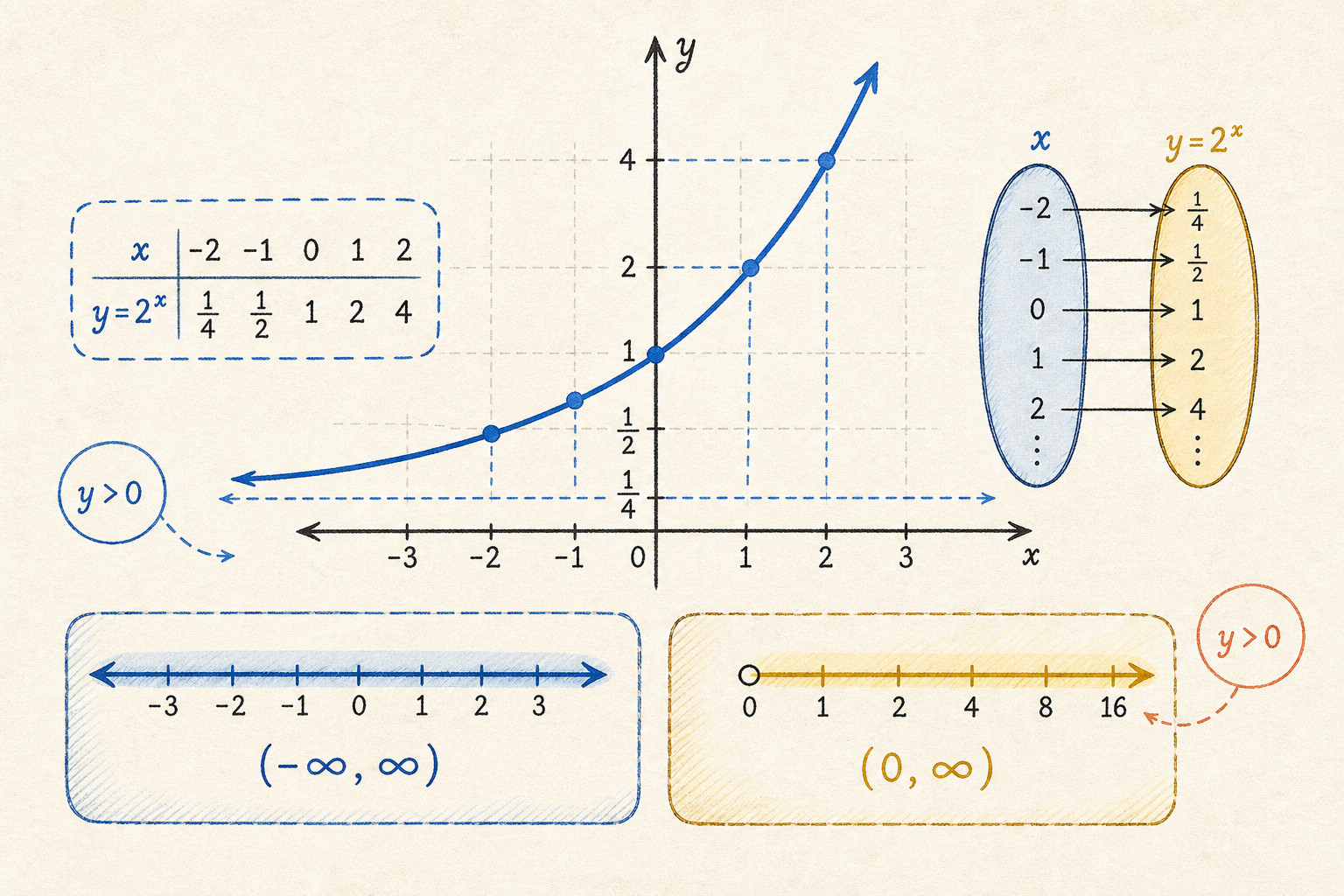
This unit introduces you to the power and patterns of exponential and functional relationships in mathematics. You will explore exponents, negative powers, and real-life applications before progressing to writing, interpreting, and graphing functions — including exponential growth and decay models.
Unit 10 - Polynomial Operations
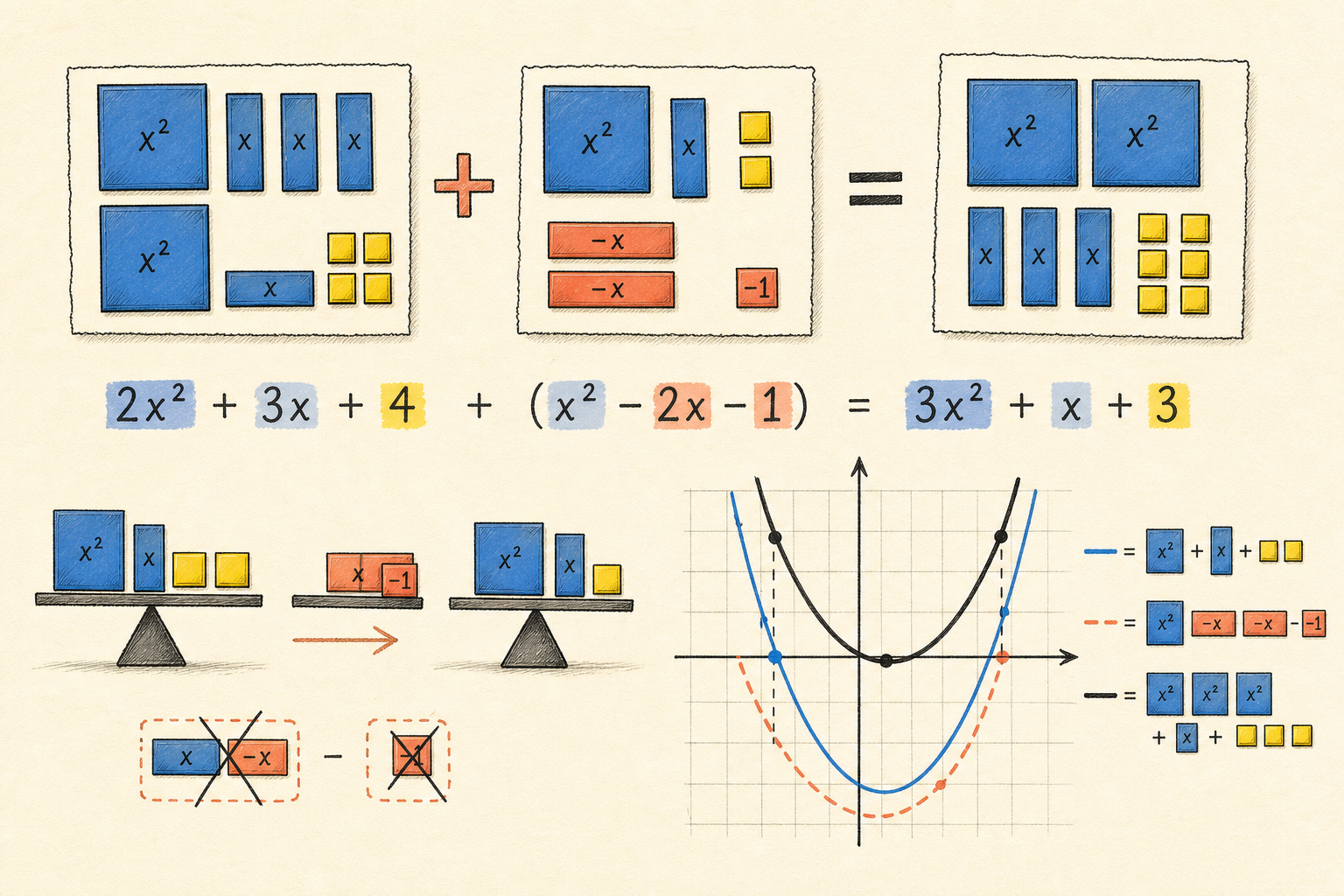
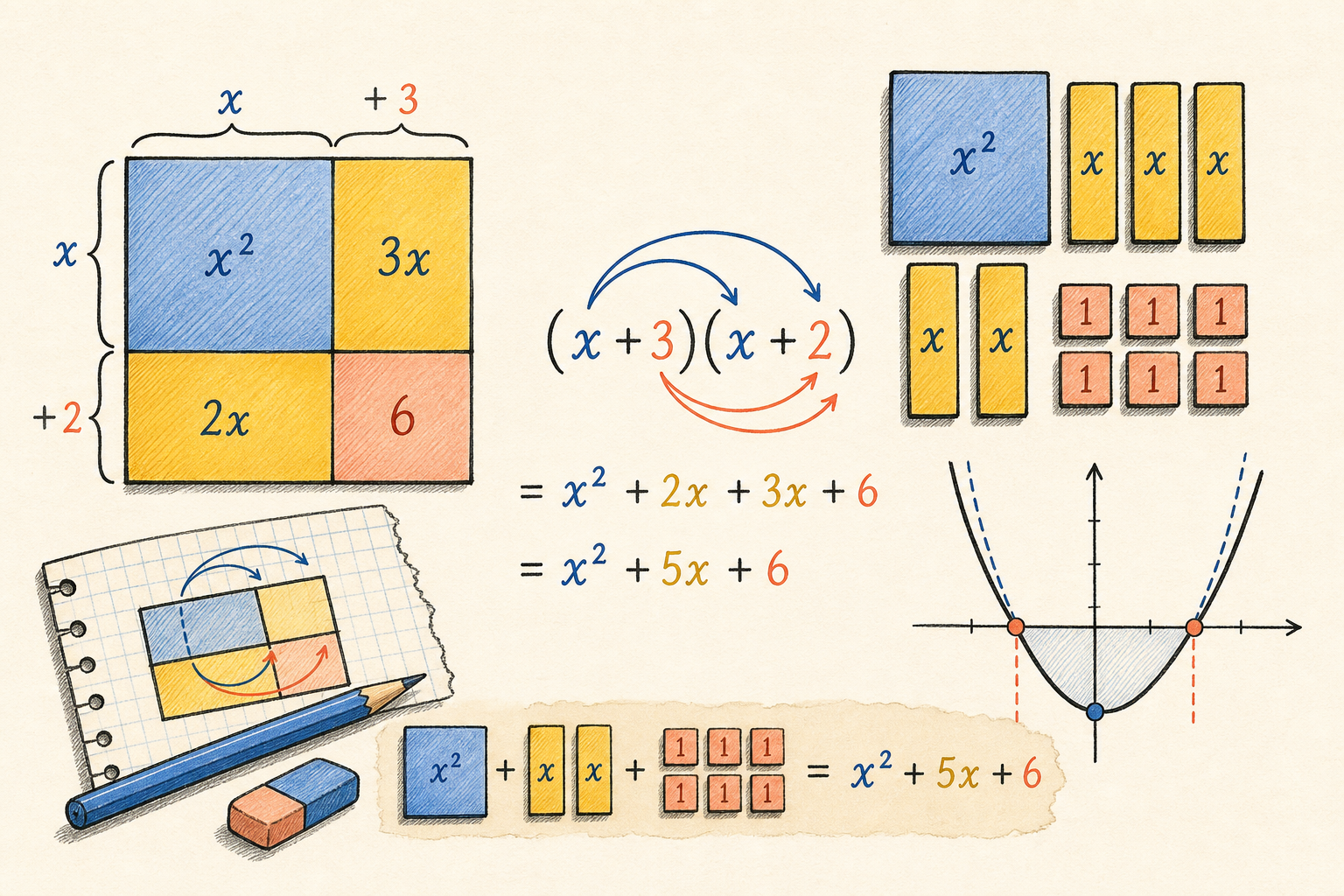
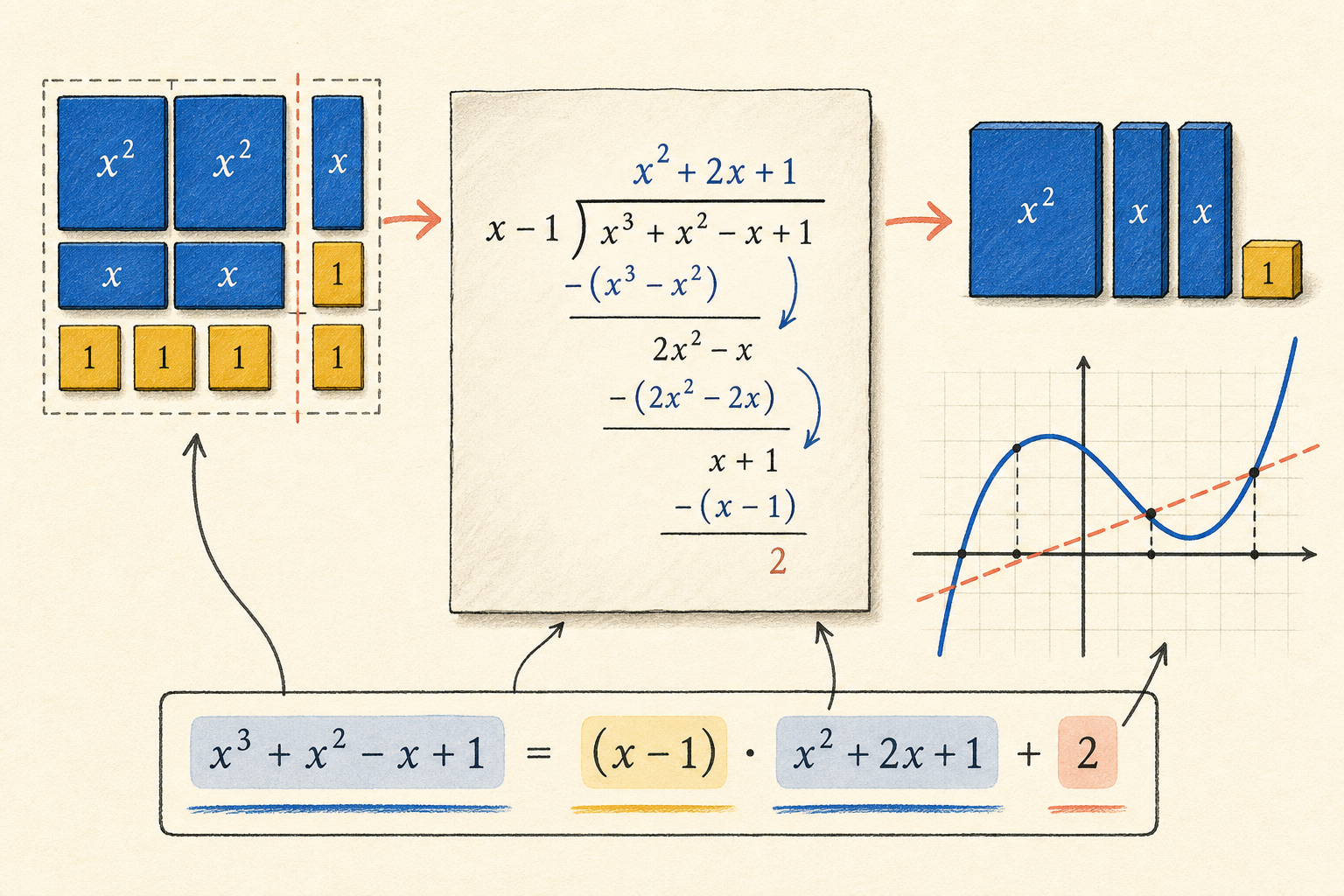
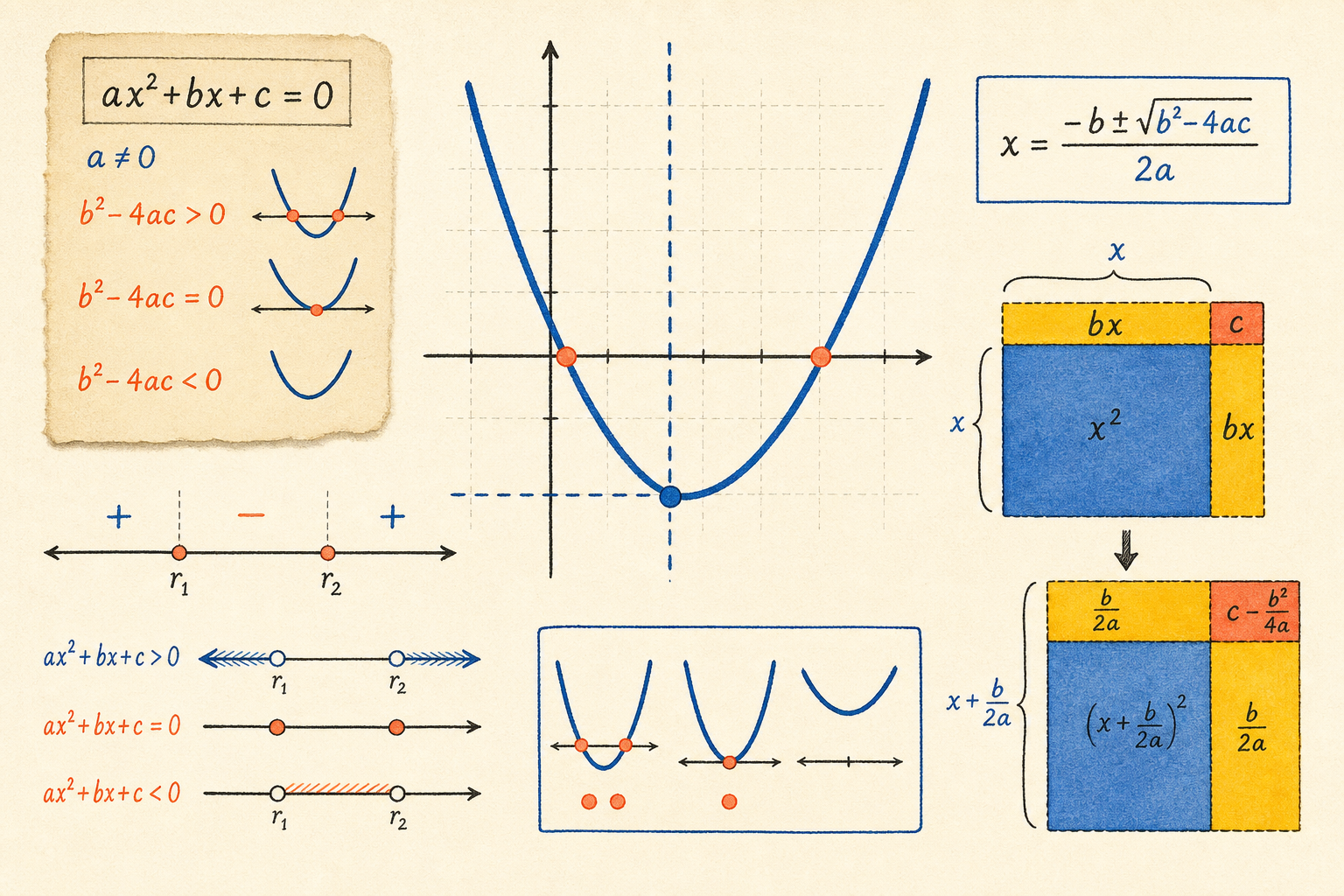
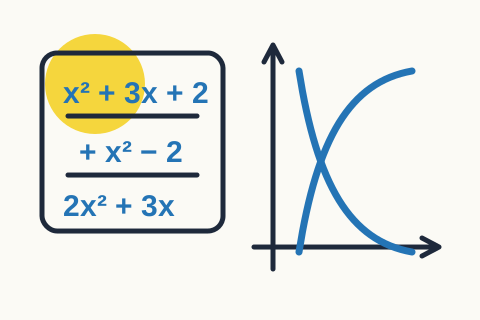
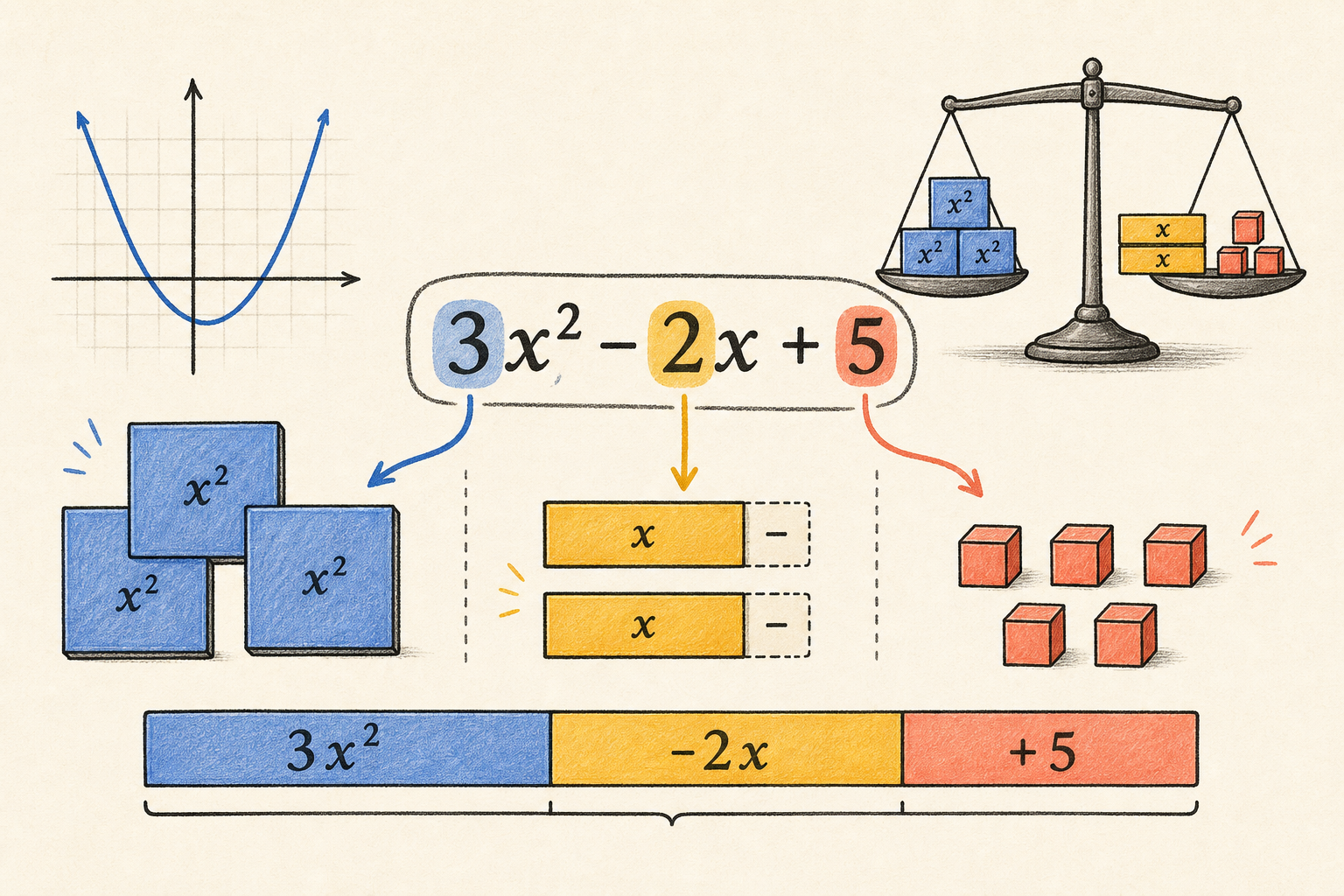
In this unit we learn how to work with polynomials by adding, subtracting, multiplying, and dividing them. We will also explore more advanced expressions with multiple variables and see how these skills help us solve and factor quadratic equations.